

 Phoenix 24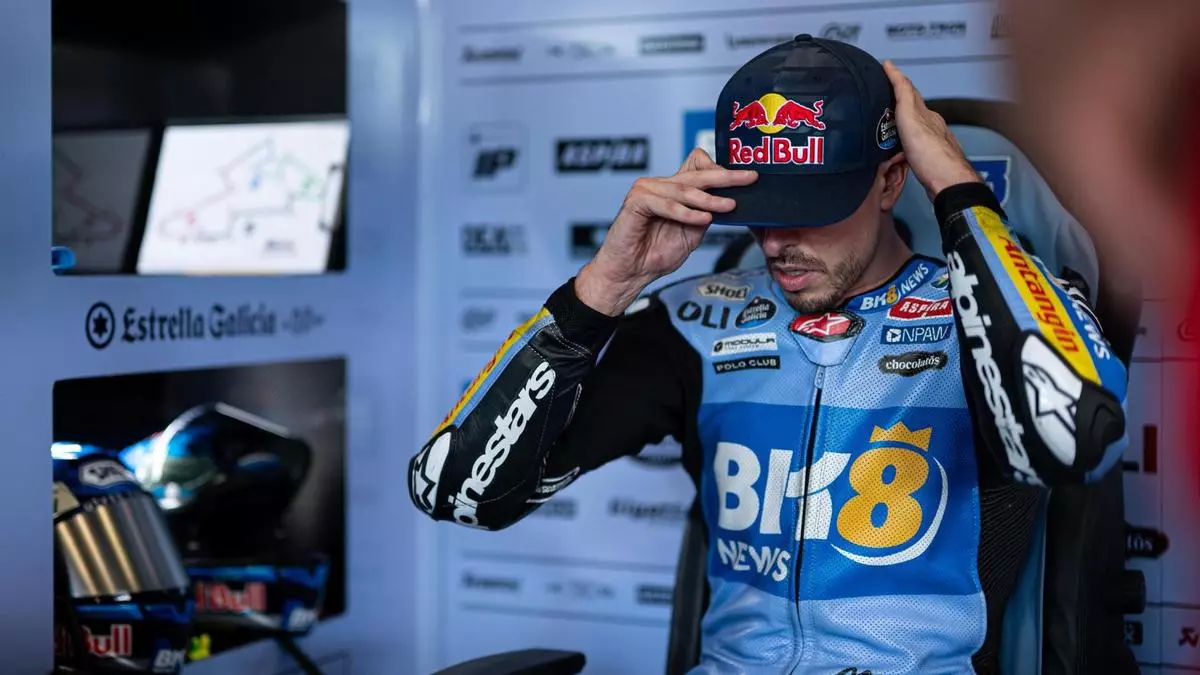
Returning to MotoGP required knowing when to stop.
BRNO, Czech Republic | June 2026
Álex Márquez has withdrawn from the Czech Grand Prix after deciding that continuing to race at Brno would create unnecessary risks during his recovery from a serious accident. The Gresini Ducati rider completed Friday’s sessions and Saturday’s first qualifying phase before consulting his team and MotoGP medical director Ángel Charte. Although he had been declared fit to compete, his physical condition remained below the level required to complete an entire race weekend safely. Márquez therefore chose not to participate in either the sprint or Sunday’s main event.
The decision came 33 days after his violent crash at the Catalan Grand Prix. Márquez suffered a fracture of his right collarbone and an injury involving the C7 cervical vertebra after colliding with Pedro Acosta’s motorcycle. The collarbone required surgery, while the neck injury and surrounding muscular damage forced him to spend part of his recovery with severely limited movement. He subsequently missed the Italian and Hungarian rounds before attempting his return in the Czech Republic.
Márquez arrived in Brno after passing medical examinations in Spain and receiving final authorization from the championship’s doctors. His participation was never presented as a complete recovery, but as an opportunity to evaluate his body under real MotoGP conditions. He completed 32 laps on Friday and finished approximately eight-tenths of a second behind the fastest rider. The performance was encouraging because it showed that his basic speed had survived the long period away from the motorcycle.
Saturday provided a more demanding assessment. Márquez competed in Q1 and qualified fourteenth, demonstrating that he could still operate close to the competitive group despite reduced strength. However, repeated laps exposed the limitations created by two weeks of inactivity and the incomplete recovery of the muscles supporting his shoulder and upper body. The physical sensations convinced him that continuing would increase the probability of another fall.
Márquez explained that the medical concern was not simply the pain he was experiencing. Doctors had warned him that a new crash could aggravate the collarbone injury before the bone had fully consolidated. MotoGP riders regularly absorb significant forces through their arms and shoulders while braking, accelerating and changing direction. Even without another accident, the accumulated strain of a sprint and a full-distance race could compromise the recovery process.
The rider described the withdrawal as a measure designed to reduce risk rather than evidence that his return had failed. His primary objective in Brno was to recover the mental sensations of being a MotoGP rider after a frightening accident. Completing practice and qualifying allowed him to regain confidence, evaluate his reactions and overcome part of the psychological barrier created by the crash. In that sense, the weekend fulfilled an important purpose despite ending before the races.
Watching the accident again had formed part of Márquez’s mental recovery. He acknowledged that reviewing the images helped him understand and accept what had happened rather than allowing uncertainty to dominate his return. The crash was severe enough to create understandable doubts about riding at full speed again. Returning to the circuit and completing competitive laps demonstrated that those doubts had not prevented him from resuming his career.
Márquez also clarified that the vertebral injury was less serious than initially feared. Much of the remaining discomfort came from the muscles surrounding the affected area rather than from a major structural problem in the cervical spine. The collarbone represented the more immediate concern because another impact could damage the surgical repair. That distinction helped explain why he could ride competitively while still being advised to avoid unnecessary exposure.
Gresini Racing supported the decision after evaluating the rider’s condition with the medical team. The squad had no interest in forcing a premature return that might create a longer absence later in the season. Márquez remained inside the garage for the rest of the weekend, continuing to work with his engineers and observing the sprint race. His brother Marc finished third behind winner Francesco Bagnaia and second-placed Ai Ogura.
The withdrawal also reflected the unique demands of modern MotoGP weekends. Riders must now complete practice, qualifying, a Saturday sprint and the traditional Sunday race within a compressed schedule. The sprint format increases both competitive intensity and physical exposure because there is little opportunity to recover between sessions. For a rider returning from collarbone surgery and a cervical injury, completing the full program can be more challenging than participating in a single race.
Márquez intends to return at the Dutch Grand Prix in Assen. He expects to be stronger by then and believes he should be capable of completing the entire weekend. However, he has acknowledged that he may not recover one hundred percent of his physical condition until after the summer break. That assessment suggests his return will remain a gradual process rather than an immediate restoration of his previous level.
Before the accident, Márquez had established himself as one of the most competitive Ducati riders on the grid. His performances had placed him inside the championship’s leading group and reinforced Gresini’s ability to challenge factory teams. Missing races has damaged his position in the standings, but the priority remains restoring the strength required to compete consistently. Returning too early and suffering another injury would create a far greater sporting cost.
His decision in Brno also carries a wider lesson about elite competition. Athletes are often praised for continuing despite pain, but endurance does not always represent courage when the medical risk is excessive. Márquez demonstrated competitiveness by returning only 33 days after a major accident, yet he also showed judgment by stopping once the limits became clear. Protecting the next phase of the season required resisting the pressure to complete the weekend at any cost.
The Czech Grand Prix therefore became a controlled step rather than a full comeback. Márquez recovered speed, completed qualifying and confirmed that he could still ride a MotoGP machine without losing confidence. He also identified the physical threshold beyond which determination would become recklessness. His return will continue at Assen, where the objective will not merely be to start, but to finish safely and competitively.
Strength also means knowing when to stop. / La fortaleza también consiste en saber detenerse.