

 Phoenix 24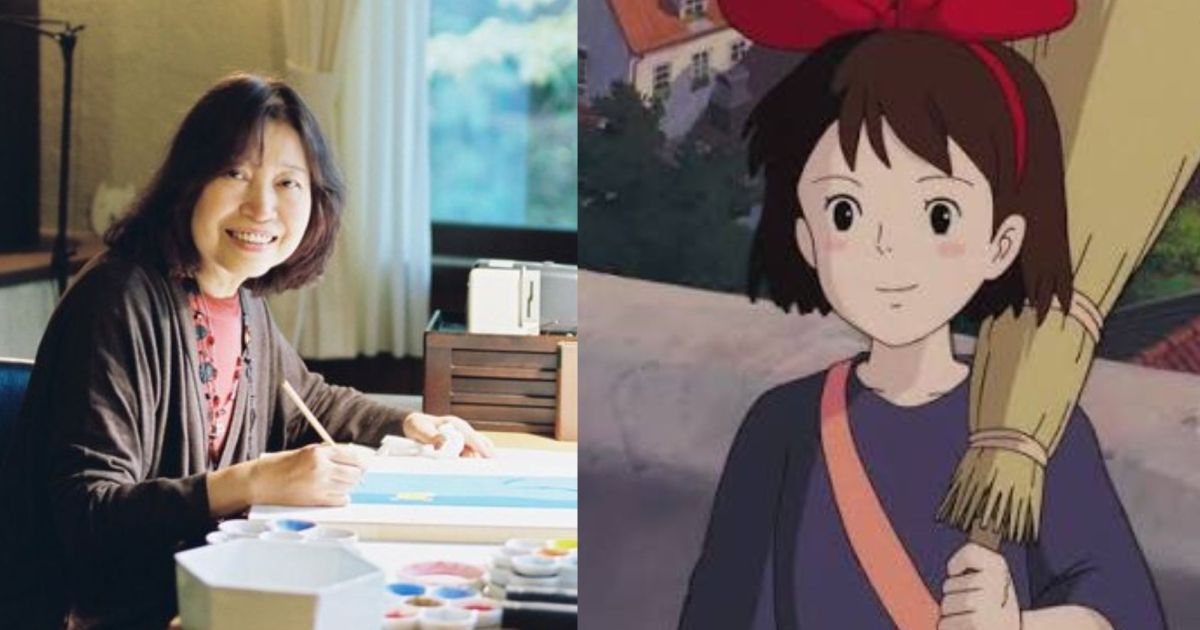
Her drawings taught childhood to move without fear.
Tokyo | July 2026
Japanese illustrator Akiko Hayashi, whose images helped define the original literary world of Kiki’s Delivery Service, has died after a career that transformed everyday childhood into visual storytelling. Her work accompanied generations of young readers through scenes of independence, discovery and quiet uncertainty. Rather than relying on spectacle, Hayashi found emotional depth in gestures, glances and ordinary spaces.
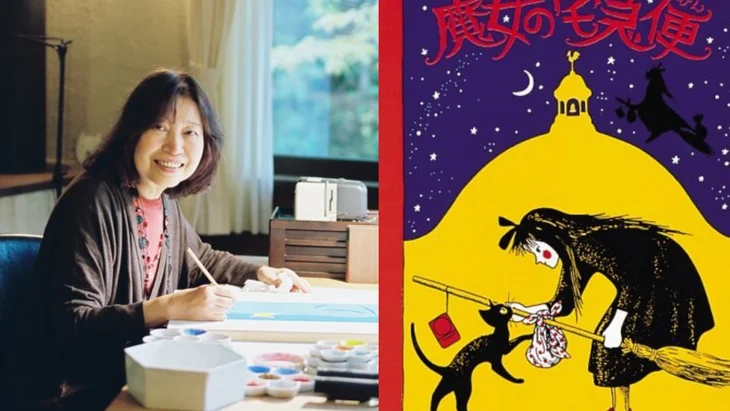
Hayashi illustrated the first edition of Eiko Kadono’s 1985 novel about Kiki, a thirteen-year-old witch who leaves home to begin an independent life in a new city. Her drawings gave the young protagonist an early visual identity before Hayao Miyazaki adapted the story into the celebrated 1989 Studio Ghibli film. That distinction is essential because Hayashi did not create the animated version, but helped shape the literary character from which it emerged.
Her interpretation of Kiki emphasized youth rather than heroic certainty. The witch appeared curious, vulnerable and determined, accompanied by her black cat Jiji as she entered an unfamiliar world. Hayashi captured the tension between childhood protection and the first steps toward autonomy without turning the character into an idealized symbol.
That emotional precision extended throughout her wider body of work. Hayashi frequently illustrated children walking alone, caring for younger siblings, exploring neighborhoods or confronting situations that adults might consider insignificant. In her images, however, those moments became major psychological events because they were experienced from the child’s perspective.
Her compositions often placed young characters inside recognizable domestic and urban environments. Streets, kitchens, bedrooms, shops and gardens were rendered with careful observation rather than decorative excess. The surrounding world remained realistic enough to feel familiar, while the emotional atmosphere allowed imagination to enter naturally.
Hayashi’s visual language was marked by delicacy, warmth and an unusual sensitivity to movement. A child turning toward a sound, holding an object or hesitating before crossing a street could communicate an entire internal story. Her illustrations respected silence and allowed readers to understand emotions without requiring them to be explained.
Born in Tokyo in 1945, Hayashi studied art at Yokohama National University before developing a career in children’s publishing. She began illustrating books during the 1970s and gradually became one of Japan’s most respected creators of picture books. Her work received major recognition for its ability to combine technical control with emotional accessibility.
Among her best-known creations were stories centered on first experiences, family bonds and the fragile confidence of early childhood. She portrayed children not as simplified figures designed only to appear charming, but as complete individuals capable of anxiety, courage, jealousy, tenderness and independent thought. That psychological honesty gave her books a lasting place in homes, classrooms and libraries.
Her influence also reached Japanese animation. Miyazaki publicly admired the sensitivity and observational strength of her work, particularly her ability to construct environments through the viewpoint of a child. The visual atmosphere of some later Studio Ghibli projects reflected a similar interest in neighborhood detail, movement and emotional realism.
The international success of Kiki’s Delivery Service expanded awareness of the story far beyond Japan, although the original novel and its illustrations remained less visible than the animated adaptation in many countries. Hayashi’s contribution represents an important layer of that cultural history. Before Kiki moved across cinema screens, she existed on the printed page through the dialogue between Kadono’s words and Hayashi’s images.
Her art also demonstrates why illustration should not be treated as secondary to written literature. An illustrator determines how readers encounter a character, how space is understood and where emotional attention is directed. In children’s books, those visual decisions can shape memory as powerfully as the narrative itself.
Hayashi understood that young readers notice details adults often ignore. A partially open door, a distant figure or the position of a child’s hands could change the emotional meaning of a scene. Her images rewarded careful observation and invited children to participate actively in constructing the story.
Her death closes a significant chapter in Japanese picture-book history, but her visual world remains active whenever a child recognizes personal fear or courage inside one of her characters. The endurance of her work does not depend solely on awards, adaptations or publishing success. It survives because she treated childhood as a serious human experience.
Akiko Hayashi gave Kiki one of her earliest faces, but her legacy extends far beyond a single young witch. She illustrated the quiet process through which children separate from protection, encounter uncertainty and begin to understand their own abilities. In doing so, she transformed ordinary moments into images capable of remaining in memory long after the book is closed.
Phoenix24: periodismo sin fronteras. / Phoenix24: journalism without borders.