

 Phoenix 24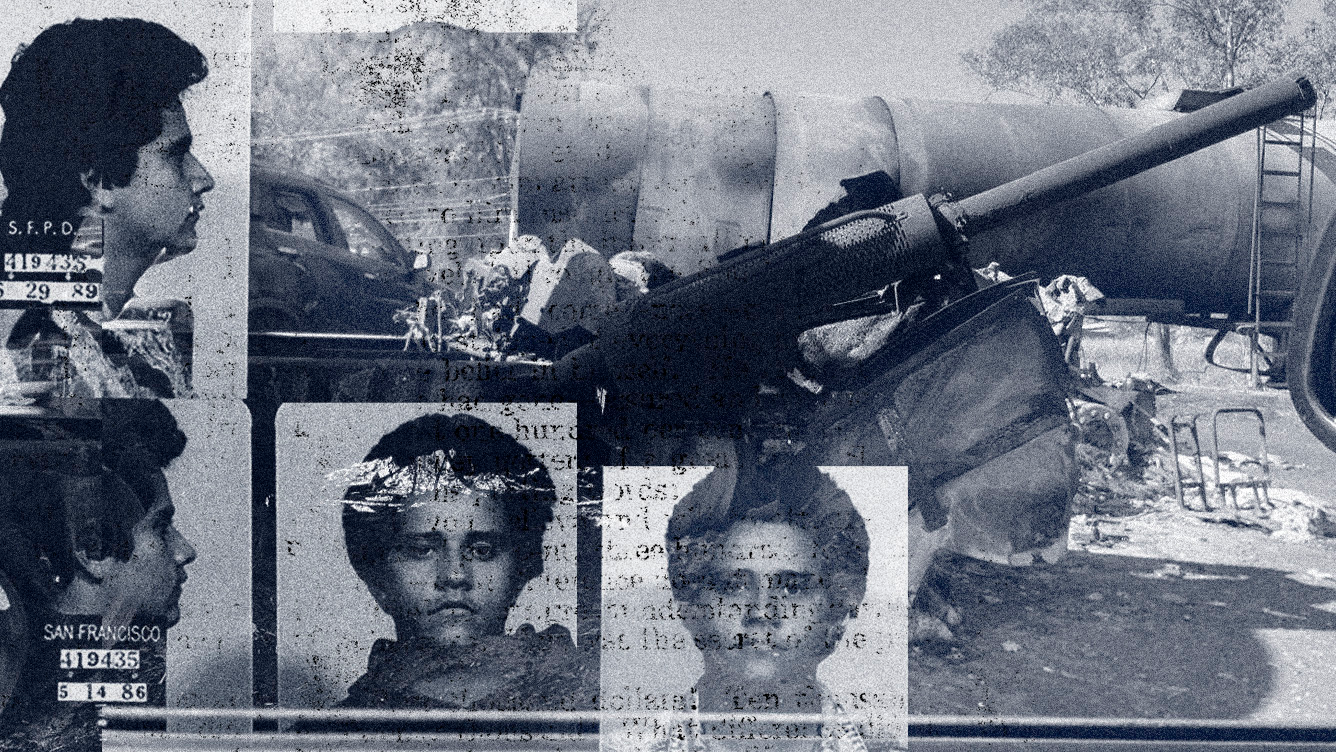
A cartel can lose a man, not a system.
Mexico City, February 2026
The question now is not whether the Jalisco New Generation Cartel can survive the death of Nemesio Oseguera Cervantes, known as El Mencho, but what form that survival would take. The fall of a figure of that scale usually produces two simultaneous effects inside criminal organizations: operational shock and strategic adaptation. In the immediate aftermath, the Mexican state and allied intelligence channels can claim a major disruption of leadership, command symbolism, and fear projection. Yet the deeper issue is whether the CJNG was built as a personal empire or as a distributed criminal architecture capable of reproducing power without its founder.
That distinction is not academic. It determines whether Mexico is entering a phase of fragmentation, temporary turbulence, or a more prolonged reconfiguration of violence across multiple regions. Recent reporting and expert analysis point in the same direction: the CJNG has evolved beyond a conventional trafficking structure and operates as a diversified network with territorial, financial, and coercive functions spread across different cells and local alliances. In practical terms, that means the organization may be damaged at the top while remaining lethal on the ground. The removal of a leader can weaken coordination, but it can also trigger a brutal contest among middle and upper tier operators eager to secure routes, extortion circuits, and political protection networks.
This is where the risk of internal war becomes real. If there is no uncontested successor with the symbolic weight, financial authority, and enforcement credibility to unify the cartel, the CJNG could shift from centralized fear to competitive violence. Regional commanders, armed wings, and allied groups may seek to consolidate local control under the same brand while quietly disputing revenues and loyalties. In that scenario, the cartel does not disappear. It mutates. The public often interprets a kingpin takedown as the collapse of a criminal organization, but Mexico’s recent history shows that fragmentation can be more socially destructive than hierarchy when factions compete through intimidation, spectacle, and territorial overreaction.
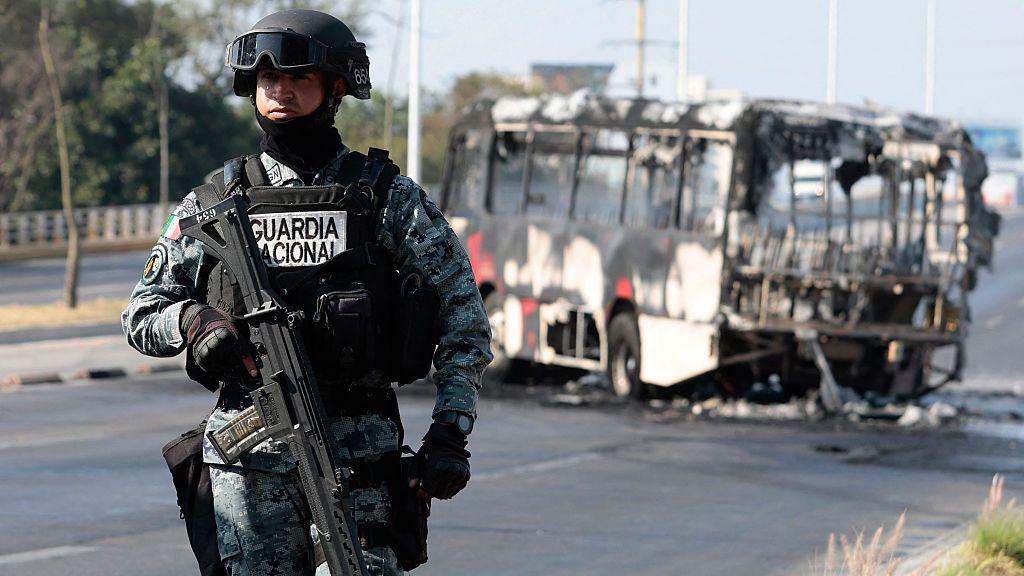
The retaliation seen after El Mencho’s death reinforces that point. Roadblocks, arson attacks, and coordinated disruptions across multiple states were not only acts of revenge. They were also a communication strategy aimed at proving that the group’s coercive reach remained intact despite the loss of its central figure. However, the rapid dissipation of some of that violence suggests a second reading as well: the cartel still has the ability to disrupt, but sustaining synchronized pressure without stable central command may be harder than staging an immediate show of force. That matters because a criminal organization under succession stress often relies on theatrical violence to compensate for hidden uncertainty.
There is another layer that cannot be ignored. Information warfare is now part of cartel resilience. In the hours and days after the operation, false reports and manipulated images circulated online, amplifying fear beyond verified events and creating a wider atmosphere of paralysis. This is not a side effect. It is a low cost multiplier. When organized crime can combine physical disruption with digital panic, it extends its influence far beyond the zones where it actually controls terrain. In that sense, the post Mencho phase is not only a security challenge for Mexico. It is also a test of institutional credibility, media verification, and public trust under pressure.
For the Mexican government, the tactical success of removing El Mencho creates a strategic dilemma. The operation demonstrates state capacity, intelligence coordination, and political willingness to strike a high value target. But if what follows is prolonged fragmentation, civilian populations may experience the outcome not as a victory, but as a new cycle of dispersed violence. Governments often win the headline and lose the narrative when they cannot stabilize the space after a major strike. The next months will be judged less by the symbolism of the takedown and more by whether authorities can reduce retaliatory capacity, contain factional spread, and interrupt the financial mechanisms that make leadership replacement possible.
Internationally, the implications also extend beyond Mexico. The CJNG is not relevant only because of drug trafficking, but because its model combines diversification, territorial coercion, and adaptive logistics in ways that resemble resilient illicit enterprises across the hemisphere. If the organization survives through decentralization, analysts and policymakers will be forced to confront a harder truth: kingpin strategy can degrade visibility and command, but not necessarily dismantle criminal governance. If, on the other hand, the group fractures into competing blocs, the result may still be a wider security burden for neighboring regions due to instability in routes, alliances, and violence spillover.
So, will the CJNG survive without El Mencho? The most likely answer is yes, at least in the short term, but survival should not be confused with continuity. The cartel may endure as a brand, as a network, or as a set of competing structures sharing methods and reputation while fighting over control. That is precisely why this moment is so dangerous. The death of a founder can open an opportunity for the state, but it can also open a marketplace of violence inside the underworld. What happens next will depend less on the legend of El Mencho and more on whether the CJNG’s real power was concentrated in one man or embedded in a system designed to outlive him.
The visible and the hidden, in context. / The visible and the hidden, in context.