

 Phoenix 24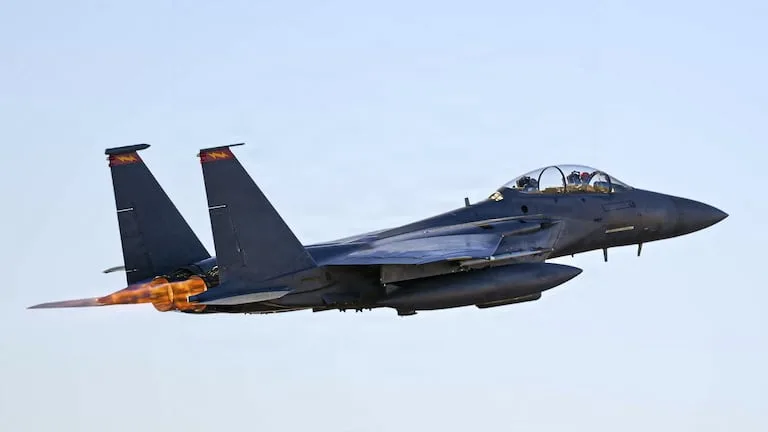
Survival does not lower the temperature of escalation.
Tehran, April 2026
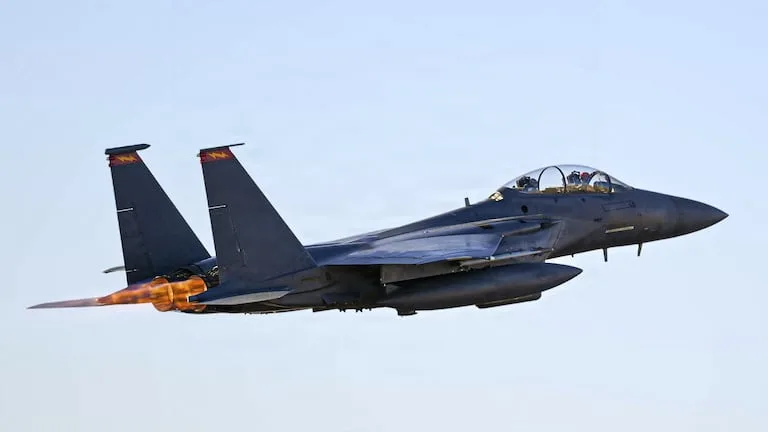
The reported rescue of a U.S. fighter pilot after a jet went down over Iran turned a single battlefield episode into a much larger geopolitical signal. What matters here is not only that one crew member was recovered, but that the incident placed American airpower, rescue operations and regional escalation inside the same frame at the same time. Once an aircraft falls in hostile airspace, the event stops being merely tactical and becomes instantly political. In a conflict already charged with symbolism, this kind of episode widens the war even when it appears to narrow the damage.
A downed U.S. fighter over Iranian territory carries a strategic weight that far exceeds the immediate military loss. It exposes vulnerability where dominance is supposed to be assumed, and it opens the door to a dangerous chain of consequences: search operations, possible missing personnel, propaganda exploitation and pressure for retaliation. Even if one pilot is rescued, the image of the aircraft falling remains. In modern war, images often outlive the operational facts that follow them.

That is why the rescue itself should not be read as de escalation. On the contrary, it underscores how contested the battlespace has become and how quickly commanders are forced to take additional risks to prevent a military incident from becoming a political humiliation. Rescue missions in hostile territory are never neutral acts of recovery. They are extensions of combat under extreme pressure, where timing, exposure and symbolism matter almost as much as the personnel involved. In this case, the operation points to a conflict environment where every minute on the ground carries strategic consequences.
The episode also punctures a deeper assumption about the war’s trajectory. High end airpower is designed not only to strike, but to project superiority, reach and control. When a U.S. fighter is reportedly brought down over Iran, that aura is shaken, even if temporarily, because the incident offers Tehran a narrative of resistance while forcing Washington to manage operational risk and narrative damage simultaneously. The battlefield then expands beyond the missile range or crash site. It enters the global perception war immediately.
There is a broader regional meaning behind that shift. The conflict is no longer defined solely by isolated retaliatory strikes or calibrated shows of force. It is moving toward a phase where direct losses, visible exposure and rapid symbolic escalation are becoming harder to separate from one another. Once pilots, aircraft and rescue operations are pulled into the same storyline, the war ceases to look containable. It starts to resemble a confrontation in which thresholds are crossed before diplomacy can catch up.
For Washington, the danger lies not just in the loss of equipment or the risk to personnel, but in the erosion of the image that advanced military systems are meant to sustain. For Tehran, even a temporary success of this kind can be turned into proof of endurance, defiance and strategic messaging against a stronger adversary. That imbalance of meaning matters. A single battlefield incident can feed domestic morale, regional signaling and international perception far beyond its immediate military value.
What makes this episode especially combustible is that it compresses survival and escalation into one scene. A rescued pilot suggests relief, but it does not suggest stability. The fact that recovery is necessary at all tells a harsher story about the depth of confrontation and the fragility of control in the airspace above Iran. In wars like this, survival can be tactical, while escalation remains structural. One can happen without canceling the other.
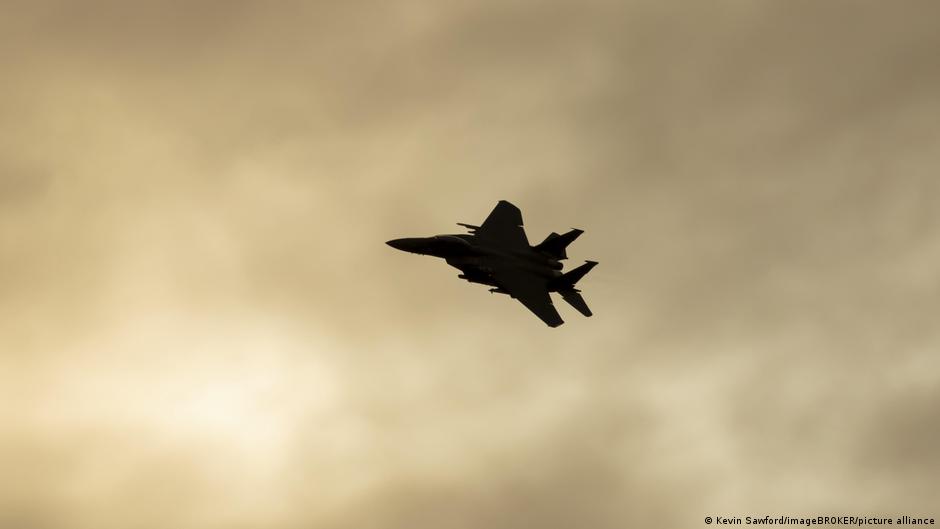
That is the real significance of the incident. The reported rescue may close one human chapter, but it leaves the strategic one wide open. A war reaches a more dangerous stage when singular events begin carrying disproportionate political weight and when every tactical loss threatens to become a regional accelerant. The pilot may have been recovered. The escalation was not.
Truth is structure, not noise. / La verdad es estructura, no ruido.