

 Phoenix 24
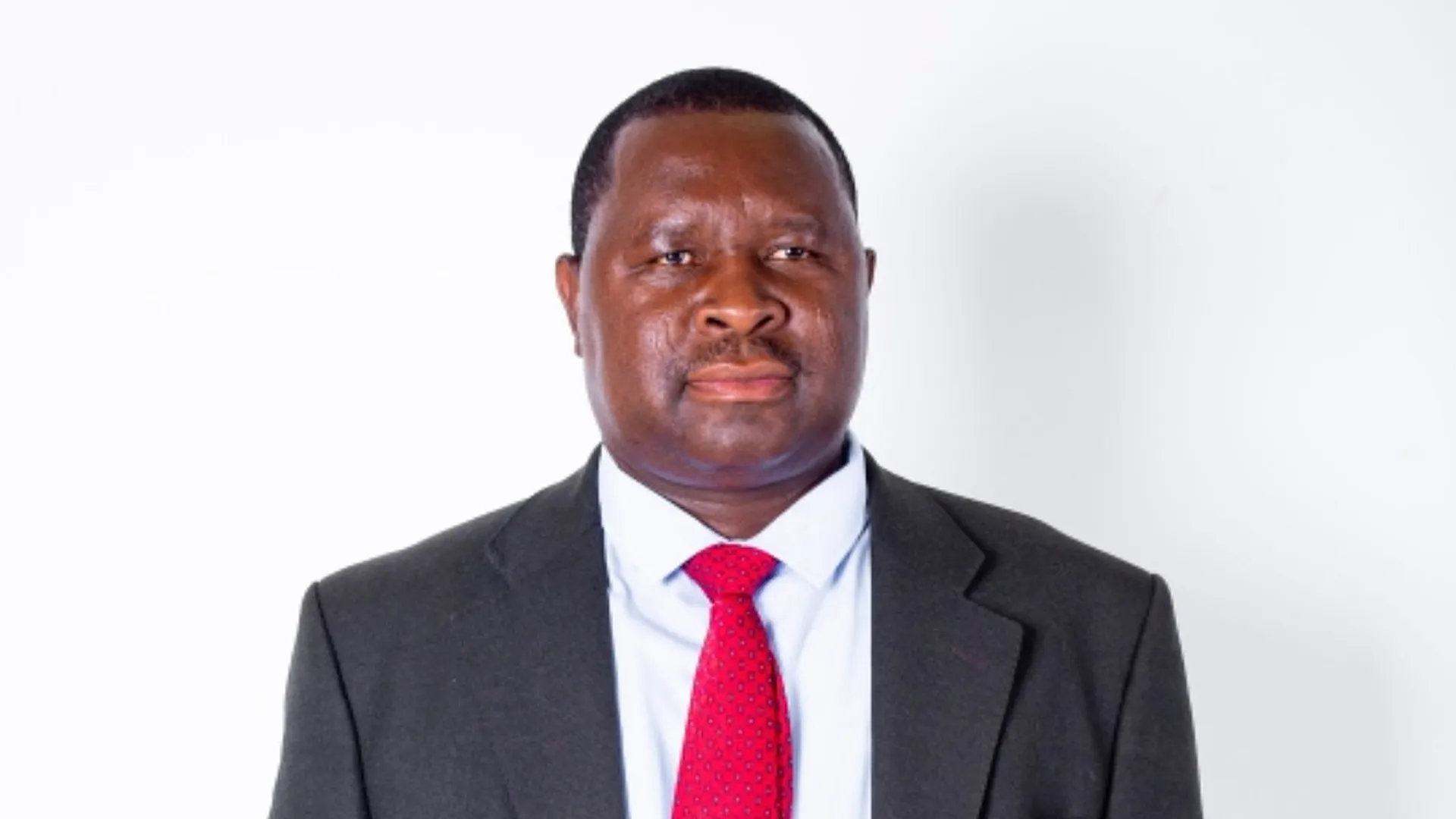
History has a long memory, yet sometimes democracy chooses to forget what a name once meant.
Windhoek, November 2025
A small constituency in northern Namibia has once again captured international attention after reelecting a local politician whose name carries an unavoidable historical weight. Adolf Hitler Uunona, a long standing councillor from the ruling SWAPO party, secured his fifth consecutive victory in regional elections, prompting global debate about the tension between personal identity, collective memory and democratic legitimacy.
In the rural district where he serves, Uunona is known simply as a familiar political figure who has worked for years on infrastructure issues and local services. Residents describe him as approachable, pragmatic and focused on community needs, factors that have consistently translated into repeat electoral success. What to the outside world appears provocative or unsettling, for voters on the ground seems to carry little symbolic relevance.
Uunona has explained in previous interviews that his father likely gave him the name without fully understanding its historical association. During his public work he rarely uses the full name and instead presents himself as Adolf Uunona, attempting to diffuse the attention that inevitably resurfaces each election cycle. According to analysts in the region, his popularity stems less from symbolism and more from routine governance in an area where political relationships are deeply personal.
Even so, every electoral cycle reignites international scrutiny. Human rights advocates and historians emphasize that the name evokes one of the darkest chapters of global history, particularly sensitive in a country once subjected to German colonial rule. Namibia still carries remnants of that past in geographic names, family names and inherited cultural imprints. For some, these linguistic residues have lost ideological meaning. For others, they remain unresolved reminders of trauma.
International observers note a paradox that emerges with each announcement of Uunona’s reelection. On one side stands the legitimacy of a democratic process, shaped by local concerns entirely disconnected from global symbolism. On the other stands the undeniable weight of a name that invokes genocide and authoritarianism. This tension fuels a broader conversation about how societies navigate the intersection of identity and collective memory, especially in postcolonial contexts where history does not always align neatly with present realities.
For survivors of historical atrocities and organizations that defend the preservation of memory, the news carries emotional charge. They argue that names matter, not merely as labels but as carriers of cultural and moral responsibility. A public official bearing the name Adolf Hitler, even without ideological alignment, forces a confrontation with uncomfortable questions: how does a society reconcile personal innocence with symbolic burden? And is democratic choice alone sufficient to neutralize what a name represents?
Meanwhile, voters in the constituency appear unfazed. They point to tangible issues like road maintenance, water distribution and local administration. For them, the councillor’s identity is rooted not in world history but in practical decision making and consistent presence. Their ballots reflect priorities that differ from global narratives, revealing a gap between external interpretation and internal social dynamics.
The reelection of Uunona illustrates a broader truth about political symbolism. Democracy does not operate solely on moral or historical alignment. It also responds to proximity, lived experience and trust cultivated over years. Yet the case also demonstrates how the shadow of history can extend across continents, reminding the world that some names never fully detach from the atrocities that shaped them.
In that tension, Namibia finds itself at the center of a global conversation about memory, identity and the limits of interpretation. Whether the councillor intended it or not, his victory becomes more than a local event. It becomes an invitation to reflect on how the past persists in the present and how democratic choices can challenge the boundaries of symbolic meaning.
More than the news, the pattern. / More than the news, the pattern.