

 Phoenix 24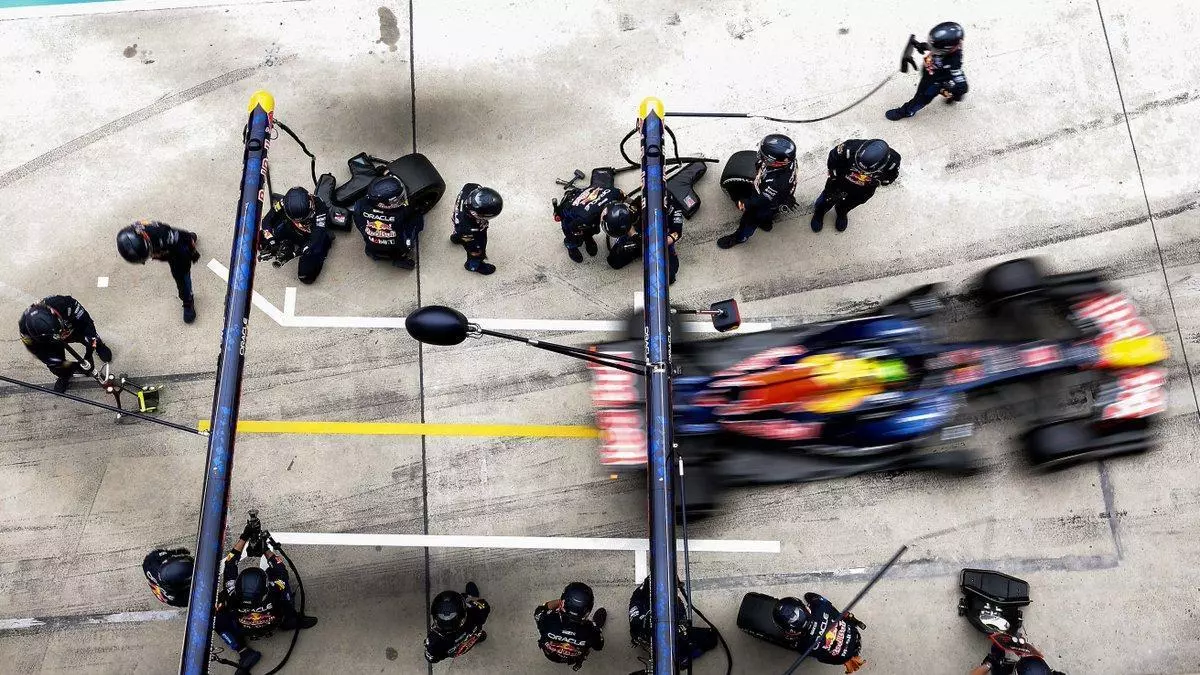
One image brought the issue back.
Shanghai, March 2026
The Chinese Grand Prix has pushed one of the most sensitive topics of Formula 1’s 2026 era back into the spotlight: car weight. Images circulating from the paddock and picked up by motorsport outlets reignited discussion over whether some teams are still struggling with overweight cars under the new regulations, which were designed to produce smaller and lighter machines. The latest attention centered on visual material that fueled speculation that at least one leading team may still be operating well above its ideal target.
The renewed debate followed the appearance of photos taken by a VIP attendee at the circuit, with the material quickly feeding discussion across the paddock and the wider F1 media environment. The focus shifted toward how closely some teams are managing to operate around the regulatory minimum, an issue that matters because every kilogram can affect acceleration, tyre wear, braking performance and overall balance. In a season built around a major rules reset, that margin has become even more important than usual.
Weight had already been flagged as a major challenge long before the Chinese weekend. During the offseason, senior figures in Formula 1 acknowledged that the 2026 regulations would leave many teams fighting to hit their targets. Industry reporting earlier this year indicated that several cars were expected to begin the new cycle overweight, with engineers describing the target as ambitious and difficult to meet without compromise in other areas such as packaging, durability or outright performance.
That background explains why any visual clue related to weight attracts immediate attention. In Shanghai, the latest material was treated not simply as paddock curiosity, but as another sign that the new generation of Formula 1 cars may still be carrying more mass than teams would ideally want. While the images do not by themselves amount to an official ruling or confirmed regulatory breach, they have revived a technical discussion that has been following the championship since the beginning of the season.
The issue matters because excess weight carries a direct competitive cost. An overweight car can lose performance through slower changes of direction, reduced efficiency under braking and greater stress on tyres over a race distance. In a category where tiny gains translate into meaningful track position, the difference between hitting the target and missing it can shape an entire weekend. The 2026 rules were meant to help put Formula 1 on a diet, but the early phase of the season suggests that not every team has fully solved the problem.
The Chinese Grand Prix had already exposed broader adaptation issues under the new rules, with several teams and drivers still trying to understand the behaviour of the 2026 cars. That context made the latest images more significant than they might have seemed in a more stable regulatory cycle. The debate is not only about one team or one snapshot. It reflects a wider concern that the championship’s push toward lighter, more agile cars is colliding with the practical realities of design, safety and performance.
There is also a broader competitive dimension to the story. Some teams have already acknowledged that weight remains a live issue, reinforcing the idea that the problem is not isolated and that different constructors may still be paying a performance penalty as they work through the opening phase of the new rules era. In that sense, the discussion sparked in China fits into a larger pattern affecting the field rather than a single isolated case.
For now, the episode in Shanghai leaves one clear conclusion. The 2026 regulations did not just change the look and philosophy of Formula 1; they also made every technical compromise more visible. Weight is no longer a background engineering concern. It has become one of the defining markers of early competitiveness, and every image, admission or hint from the paddock is enough to keep that discussion alive.
Each silence speaks. / Every silence speaks.