

 Phoenix 24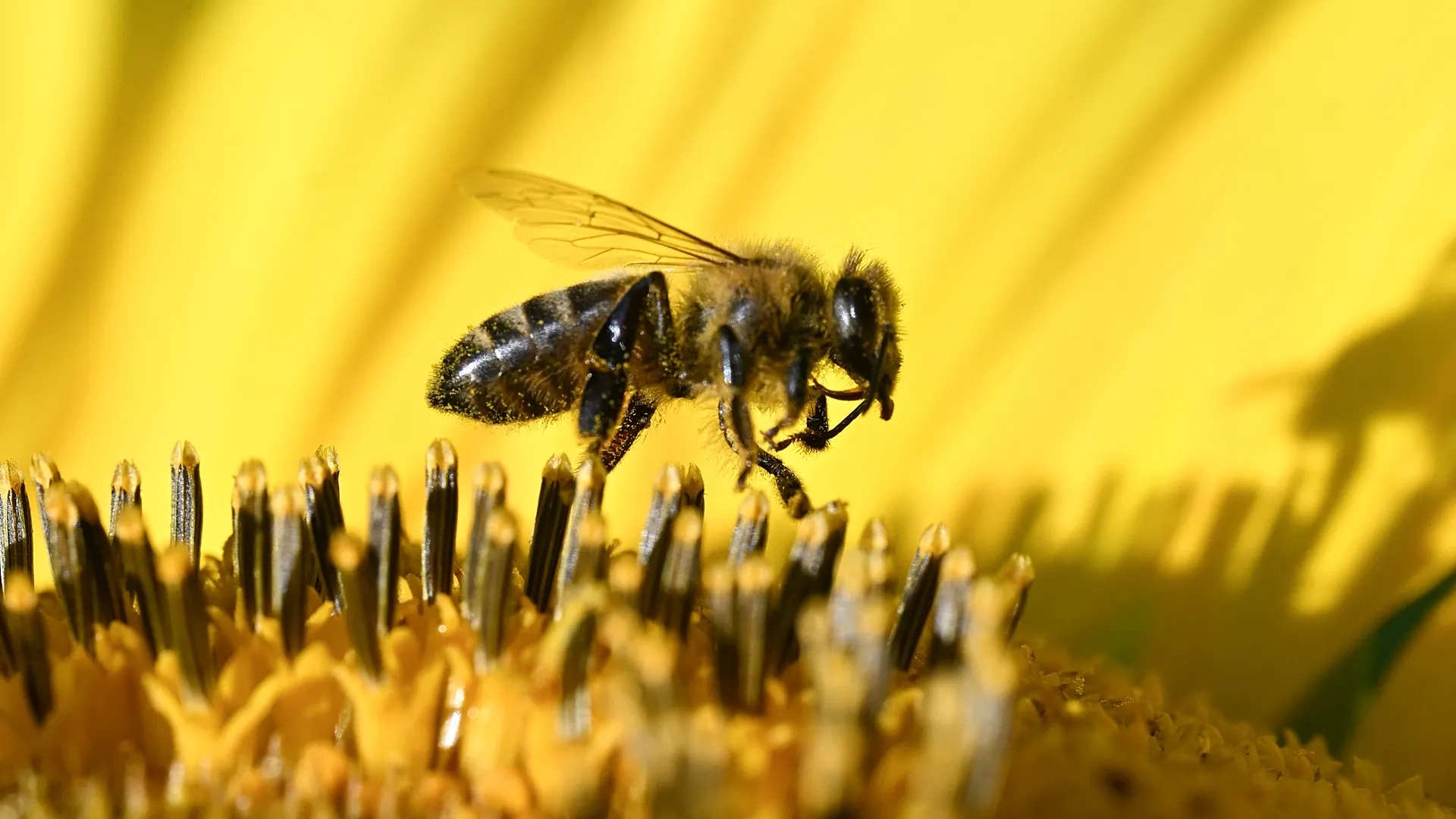
The crisis threatening honey production begins with a landscape unable to feed its pollinators.
BUDAPEST, HUNGARY
Prolonged drought and successive heatwaves have depleted Hungary’s natural supplies of nectar and pollen, placing much of the country’s honeybee population at risk. The Hungarian National Beekeeping Association, known as OMME, estimates that around 80 percent of colonies have experienced severely limited or nonexistent access to natural pollen for several weeks. The organization has warned agricultural authorities that substantial colony losses could emerge by spring.
Pollen provides the protein required to raise larvae and support the development of young bees. When it disappears during late summer, colonies enter winter with fewer healthy workers and reduced reserves. The consequences extend beyond the current honey season because weakened hives may struggle to survive colder months or rebuild their populations when flowering resumes.
Water scarcity is adding another layer of pressure. Worker bees must collect water for the queen and larvae and use it to regulate conditions inside the hive. As wetlands, riverbanks and areas surrounding lakes dry out, bees must travel farther, consume more energy and face a higher risk of dying before returning. A shortage of nectar can also provoke colonies to raid neighboring hives, further increasing stress and losses.
OMME has asked the Hungarian government to recognize extreme weather and the unprecedented lack of forage when assessing beekeepers’ compliance with rules requiring them to maintain specified numbers of colonies. The association argues that unavoidable climate-related losses should not automatically be treated as negligence. Its warning concerns managed honeybee colonies, meaning it should not be interpreted as a complete national census of every wild pollinator species.
The effects could spread through Hungarian agriculture. Honeybees contribute to crop pollination as well as honey production, while weaker colonies can reduce yields and increase the financial burden on beekeepers who must provide supplementary food and water. The full scale of winter mortality will not be known until the following spring, but the present shortage has already reduced the colonies’ ability to prepare.
Hungary’s experience illustrates how climate stress moves through an ecosystem. Drought first removes flowers and water, then weakens insects, disrupts agricultural production and threatens rural livelihoods. Protecting pollinators will require not only emergency support for beekeepers, but also more drought-resilient habitats, diversified flowering plants and reliable sources of water.
Más allá de la noticia, el patrón. / Beyond the news, the pattern.