

 Phoenix 24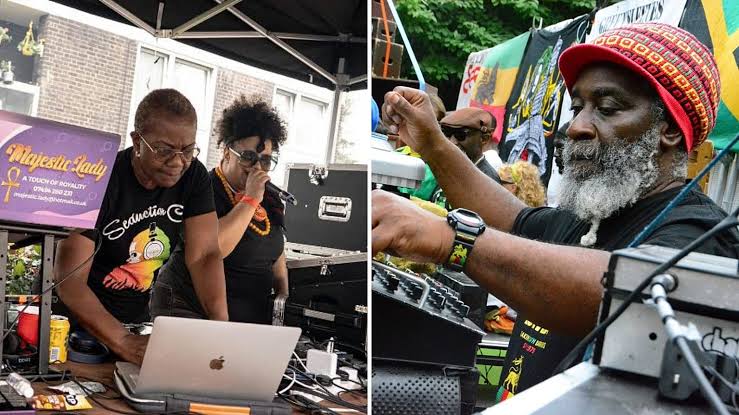
Veterans preserve a soundtrack of celebration, resistance and Black British identity.
LONDON, UNITED KINGDOM
Notting Hill Carnival marks its 60th anniversary as one of the world’s largest street festivals, six decades after emerging from Caribbean community organizing in west London. Its history is inseparable from the Windrush generation, the racial violence of the late 1950s and efforts to reclaim public space through music and collective celebration. Rhaune Laslett’s 1966 street party and an improvised procession led by Trinidadian steelpan musician Russell Henderson helped establish the foundations of the modern Carnival.
For the anniversary, ten people who have performed at, organized or documented the event selected one song each to represent its spirit. The choices form a personal oral history rather than a definitive ranking. Channel One co-founder Mikey Dread chose Black Uhuru’s “Guess Who’s Coming to Dinner,” photographer Wayne Crichlow selected Aswad’s “Warrior Charge,” and Greensleeves Hi-Fi veteran Oxman named Junior Murvin’s “Police and Thieves.”
Their selections demonstrate how Jamaican sound-system culture transformed Carnival during the 1970s and gave the event a powerful political voice. Reggae and dub addressed racism, policing and social exclusion while creating spaces in which Caribbean communities could affirm their identity. The music was therefore never simply entertainment: bass, lyrics and public performance became instruments of memory and resistance.
Other choices emphasize Carnival’s capacity for joy and renewal. Linett Kamala, one of its pioneering women DJs and now a board director, selected Beenie Man and Future Fambo’s “Rum & RedBull.” Lady Banton, founder of the first all-female-led sound system to appear at Carnival, chose Bob Marley and the Wailers’ “Three Little Birds.” Ras Sherby and younger figures such as YNG CPTN highlighted more recent recordings, connecting the original sound-system tradition with new generations.
Across six decades, Carnival’s soundtrack has expanded from calypso, steelpan, reggae and dub to soca, jungle, drum and bass, hip-hop, grime and UK garage. That evolution reflects the changing Caribbean diaspora and the wider transformation of multicultural Britain. The ten selections show that Carnival survives because each generation inherits its history without freezing it, using music to protect community identity while continually creating something new.
Resistencia narrativa global. / Global narrative resilience.