

 Phoenix 24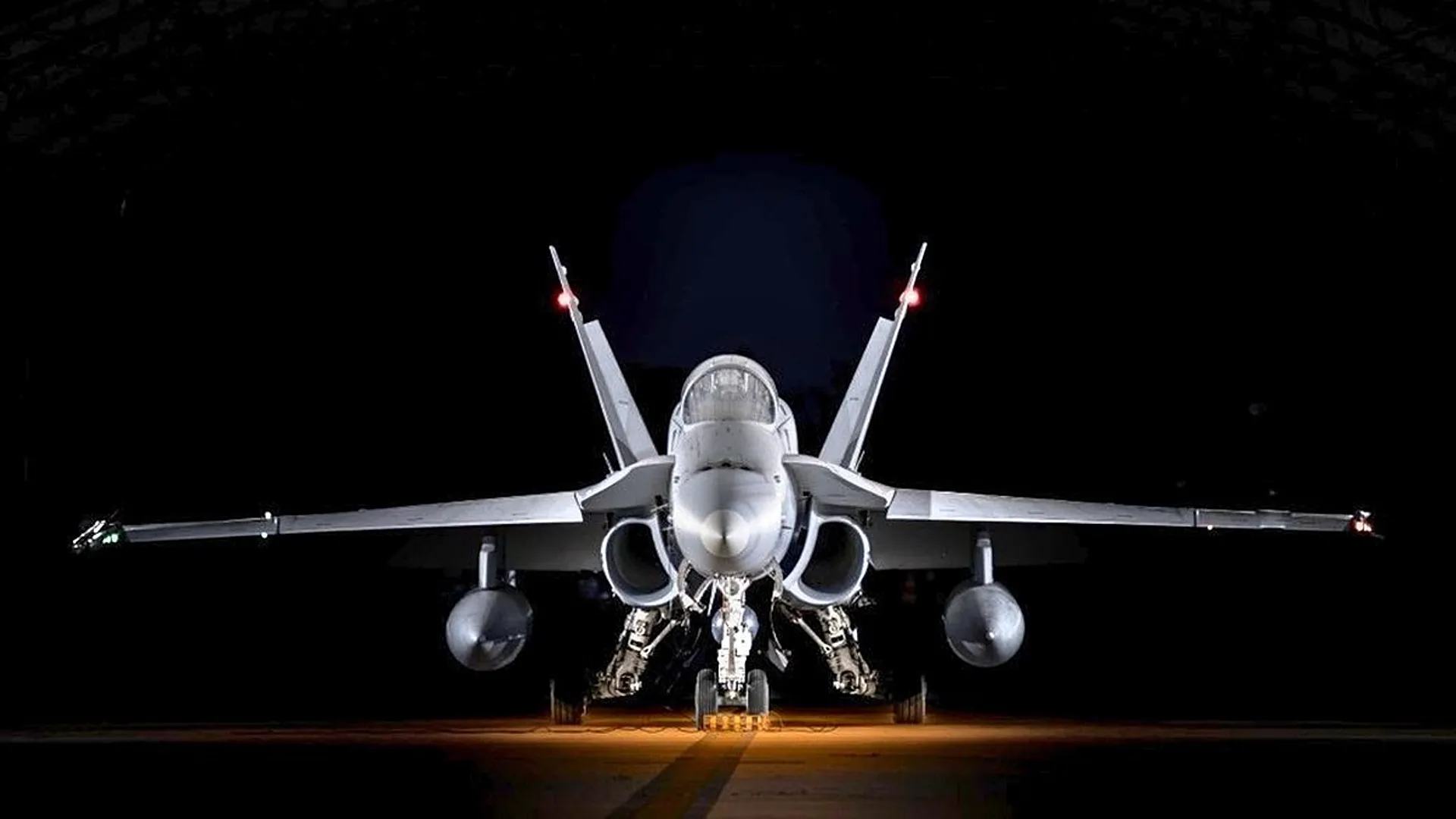
A brief incursion carried a wider warning.
Galați, Romania
Two Spanish F-18 fighter jets were scrambled after Romanian military radar detected aerial targets near the Ukrainian border. One drone entered Romanian airspace approximately 13 kilometers east of Galați, prompting an immediate response from allied forces and the activation of public warning measures. A Romanian IAR-330 SOCAT helicopter was also deployed to conduct aerial reconnaissance. The incident ended minutes later when the unmanned aircraft crashed in an uninhabited area near Grindu, without causing casualties or material damage.
Romania’s Ministry of National Defence reported that the impact produced a fire that extinguished itself shortly afterward. Military personnel were dispatched to secure the site, recover debris and determine the origin and characteristics of the aircraft. Authorities have not publicly attributed the drone to any country, leaving open the possibility of navigational failure, electronic interference or an unintended deviation from operations connected to the war in Ukraine. That uncertainty remains central because attribution determines whether the episode is treated as an accident, a provocation or a test of NATO readiness.
The deployment of Spanish fighters illustrates how NATO’s air-policing system operates through forces contributed by different member states. Spain’s presence in Romania gives the alliance additional interception capacity along a frontier increasingly exposed to drones, missiles and electronic warfare. These missions are designed to identify potential threats rapidly while avoiding unnecessary escalation. In this case, the drone crashed before the fighters were required to engage it.
Romania has experienced repeated aerial incursions since Russia launched its full-scale invasion of Ukraine, particularly near the Danube Delta and the Black Sea corridor. Even when a drone carries no deliberate intention to attack NATO territory, its entry creates risks for civilians, infrastructure and military decision-making. Each incursion compresses the time available to distinguish between technical failure and hostile action. Europe’s eastern flank is therefore becoming a permanent laboratory of surveillance, deterrence and controlled response.
Phoenix24: clarity in the grey zone. / Phoenix24: claridad en la zona gris.