

 Phoenix 24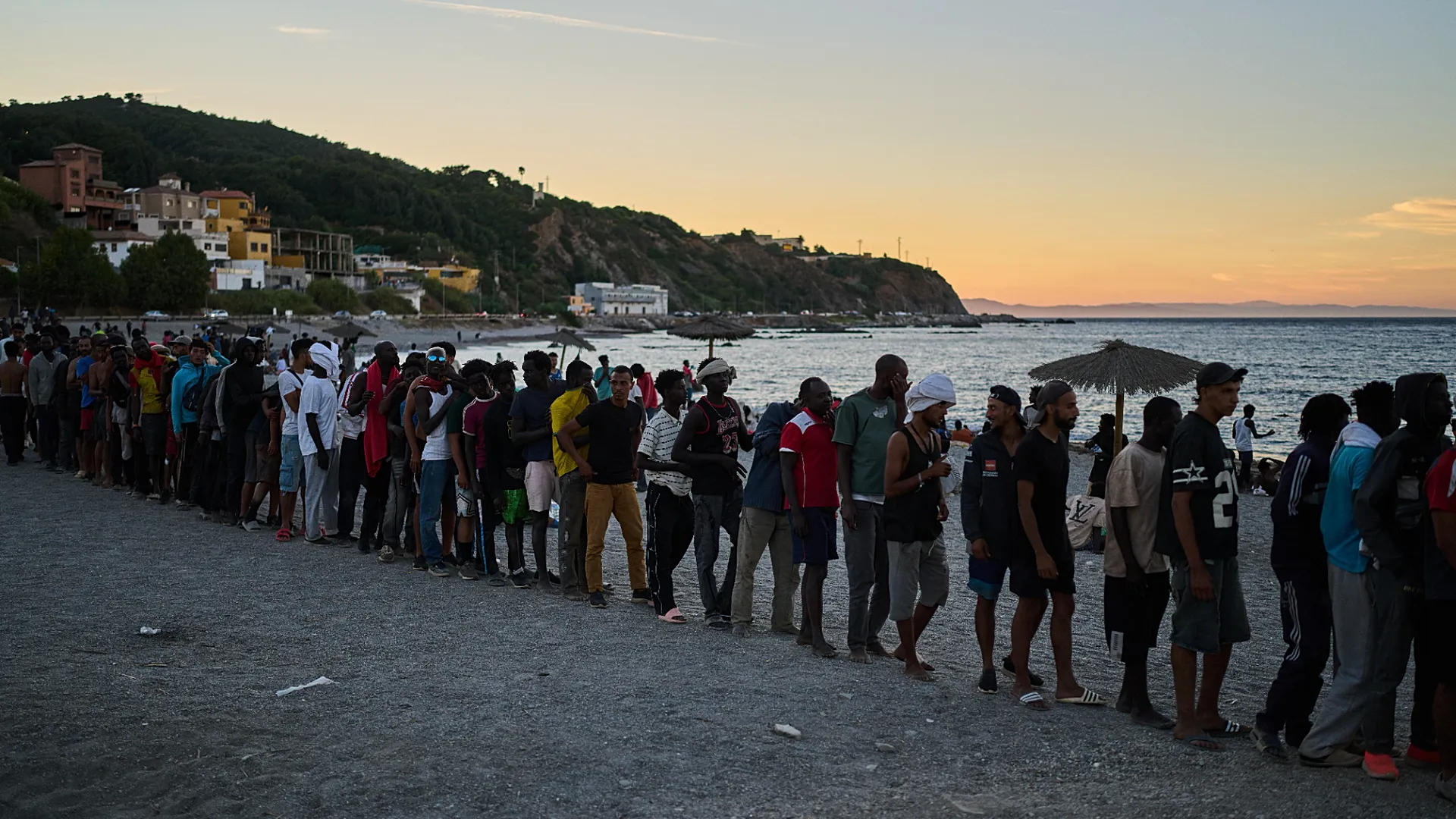
Brussels has moved to assess conditions on Europe’s southern frontier as online calls for a new crossing raise pressure on Spain, Morocco and the wider Schengen area.
Ceuta, Spain — August 2026. The European Commission has deployed a team of migration experts to Ceuta amid warnings that another large-scale attempt to cross from Morocco into the Spanish enclave could be imminent.
The mission will conduct an on-the-ground assessment of Ceuta’s needs and determine how the European Union can strengthen its support for Spanish authorities. Brussels has avoided linking the deployment exclusively to a particular date, insisting that the protection of the bloc’s external borders must remain a permanent responsibility.
Concern has intensified over messages circulating on Moroccan social media calling for a new mass crossing during the night of August 14–15. Spanish security services and digital intelligence specialists are monitoring what they describe as a coordinated online campaign designed to encourage migrants to reach Ceuta.
The alert comes two weeks after as many as 80,000 people reportedly entered the enclave from Morocco, many of them swimming around border barriers during the final days of July. Ceuta has a population of approximately 83,000, meaning that the sudden influx nearly matched the number of people who permanently live in the territory.
Spanish authorities say around 70,000 migrants have since been returned to Morocco. Nearly 100 people are believed to have died during the crossings, while thousands of others—including unaccompanied minors—remain in precarious conditions inside the enclave.
Morocco has reinforced security along its borders with Ceuta and Melilla, while Spain has installed additional maritime barriers and intensified surveillance. The measures reflect growing concern that renewed pressure could once again overwhelm reception facilities and expose migrants to deadly risks at sea.
The crisis has also deepened political divisions within the European Union. Italy has accused the Spanish government of maintaining migration policies that weaken the bloc’s common response, while Rome has extended exceptional controls on travelers arriving from Spain, temporarily disrupting normal movement within the Schengen area.
Brussels is simultaneously working with Meta and TikTok to reduce the circulation of messages encouraging new crossings. Both companies have activated crisis protocols and strengthened cooperation with fact-checking organizations. Monitoring specialists say references to August 15 have already declined significantly on Facebook following Meta’s intervention.
The European Commission maintains that its priority is not only to respond to the immediate emergency but also to improve border protection, accelerate lawful returns and prevent digital platforms from becoming instruments for human-smuggling networks.
Ceuta has therefore become more than a Spanish migration crisis. It is now a test of Europe’s border policy, institutional unity and capacity to protect human life without surrendering territorial control.
When a digital message can move thousands toward a border, security no longer begins at the fence—it begins with the forces shaping the journey.