

 Phoenix 24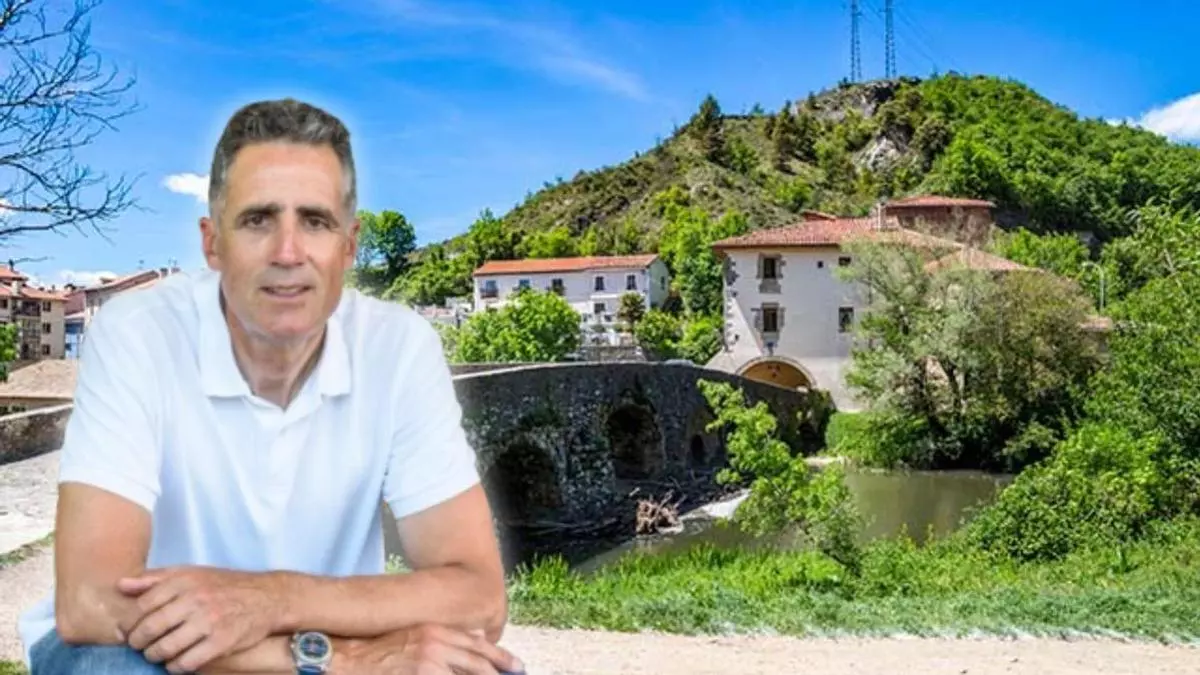
The champion never abandoned his first roads.
Villava, July 2026
Miguel Indurain conquered the Tour de France five consecutive times, dominated the Giro d’Italia and became one of the defining figures in global cycling. Yet the place that best explains his character is not Paris, Milan or an Alpine summit. It is Villava, the Navarrese town where he grew up, discovered the bicycle and learned to compete without turning victory into spectacle. Decades after his retirement, those familiar streets remain a refuge from the magnitude of his own legend.
Indurain was born into a farming family and spent his childhood in an environment shaped by work, family discipline and close community ties. His first bicycle was a second-hand model received when he was ten, initially used to travel and explore rather than pursue sporting glory. After that bicycle was stolen, his father helped him obtain another while the future champion contributed through work in the fields. The episode became an early expression of the patience and effort that would later define his professional career.
Cycling entered his life gradually. Indurain practiced athletics, football, basketball and other sports before recognizing that his physical qualities were particularly suited to the bicycle. He joined the Club Ciclista Villavés, the local organization that provided his first competitive structure and connected ambition with collective discipline. He finished second in his first race and won the next one, beginning a progression that would eventually carry him from regional competitions to the summit of world cycling.
Villava offered more than a starting point. Its roads, surrounding countryside and proximity to the Navarrese mountains created a natural training environment where endurance was developed through repetition rather than publicity. The young cyclist learned to read gradients, weather conditions and his own physical limits long before laboratories and performance data became central to elite sport. The landscape functioned as both a school and a testing ground.
When Indurain became a professional in 1984, his rise was neither immediate nor theatrical. He spent years developing within the Reynolds structure, later known as Banesto, and initially worked for more established leaders such as Pedro Delgado. His progression reflected a model increasingly rare in modern sport: sustained preparation, institutional continuity and patience before assuming leadership. By the time he became the central figure of his team, his physical power was reinforced by tactical maturity and emotional control.
Between 1991 and 1995, Indurain won five consecutive Tours de France, a record that remains one of cycling’s most imposing achievements. He also claimed two consecutive Giro d’Italia titles, became world time-trial champion and won Olympic gold against the clock in Atlanta. His dominance rested on exceptional aerobic capacity, controlled climbing and extraordinary power in individual time trials. However, his public image was equally shaped by restraint, respect for rivals and an almost complete absence of theatrical celebration.
Those characteristics were closely associated with his origins. Indurain rarely transformed victory into personal mythology and avoided constructing a celebrity identity disconnected from his community. Villava remained the geographical and emotional counterweight to international fame. The town knew the athlete before the yellow jerseys, allowing him to return without constantly performing the role of sporting icon.
His attachment to local cycling has also endured. The Club Ciclista Villavés continues training children and young riders, preserving a developmental tradition that extends beyond the achievements of its most famous member. The annual cycling event bearing Indurain’s name brings riders of different levels to the roads that shaped his career. His presence connects contemporary cycling tourism with the formative environment from which Spain’s greatest Tour champion emerged.
Retirement did not sever Indurain’s relationship with the bicycle. He has continued riding recreationally, participating in cycling events and appearing at selected sporting activities without seeking permanent media exposure. His public interventions are usually measured and focused on the sport rather than personal promotion. This selective visibility has protected the quiet identity that accompanied him even during his most dominant seasons.
Villava therefore represents more than the birthplace of a champion. It is the landscape that explains how immense sporting ambition could coexist with discretion, loyalty and emotional stability. Indurain travelled through the most celebrated roads in cycling, but he never needed to escape the ordinary world that formed him. His greatest refuge was not anonymity itself, but the possibility of remaining recognizable to himself after becoming recognizable to millions.
Phoenix24: periodismo sin fronteras. / Phoenix24: journalism without borders.