

 Phoenix 24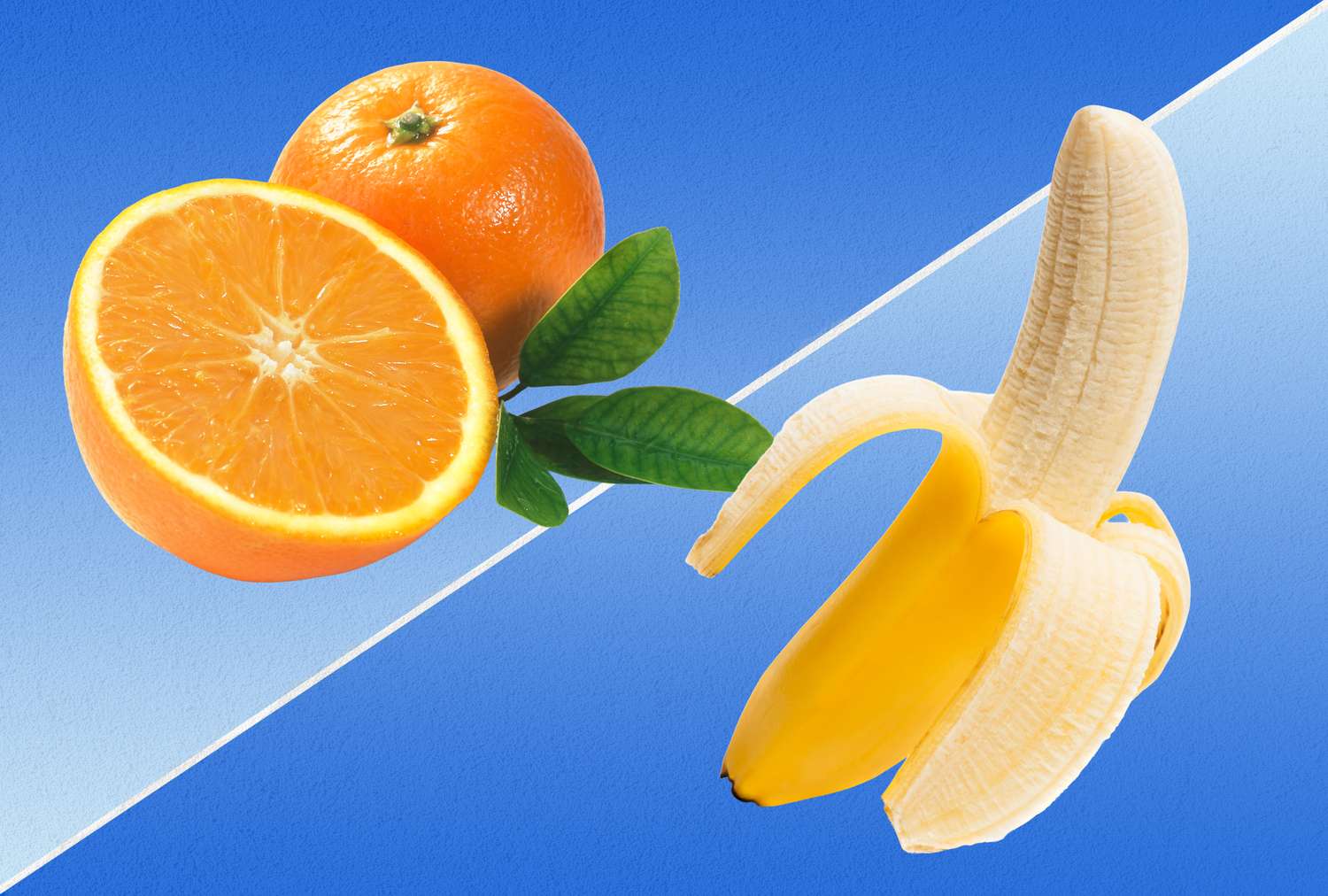
Potassium, fiber and antioxidants support cardiovascular function.
GLOBAL — July 2026. Bananas and oranges provide different but complementary nutrients that can support cardiovascular health when included in a balanced diet. Nutrition specialists emphasize that neither fruit is inherently superior. Bananas stand out for their potassium content, while oranges provide vitamin C, folate and protective citrus compounds.
Potassium helps the body manage sodium levels and supports the relaxation of blood-vessel walls, contributing to healthier blood pressure. Bananas also contain fiber, resistant starch and polyphenols that may assist cholesterol control and metabolic health. Their benefits are strongest when consumed as whole fruit rather than in highly processed preparations.

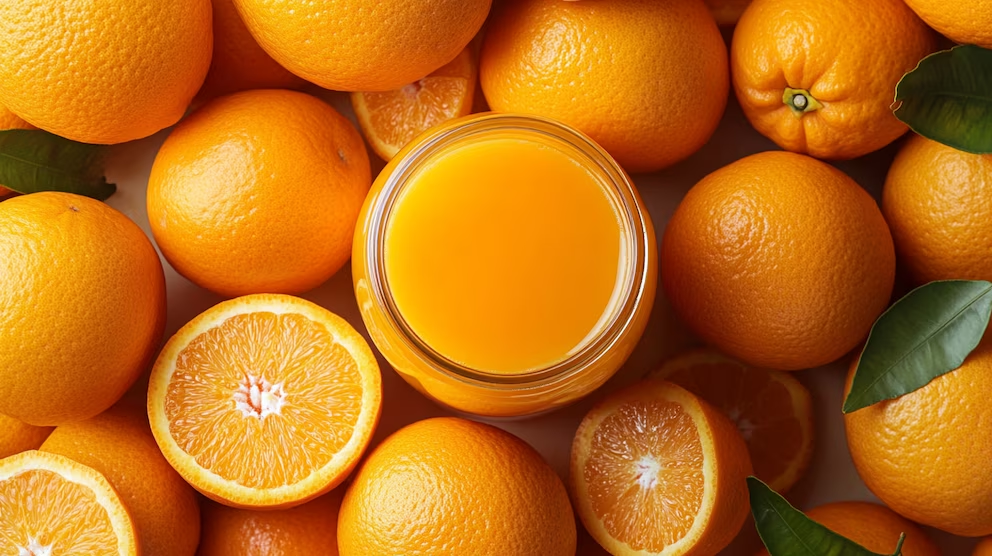
Oranges contain soluble fiber and flavonoids such as hesperidin, which have been associated with improved blood-vessel function and reduced inflammation. Their vitamin C content helps protect cells from oxidative stress, while folate participates in processes linked to vascular health. Eating the whole orange provides more fiber and generally produces a more gradual rise in blood sugar than drinking its juice.

Specialists recommend incorporating a variety of fruits instead of relying on one food as a cardiovascular remedy. Bananas and oranges cannot replace exercise, medical treatment or a dietary pattern low in excess sodium, added sugars and saturated fats. People with kidney disease or restrictions on potassium intake should seek professional guidance before substantially increasing their consumption.
The greatest benefit comes not from choosing one fruit, but from combining variety with balance.