

 Phoenix 24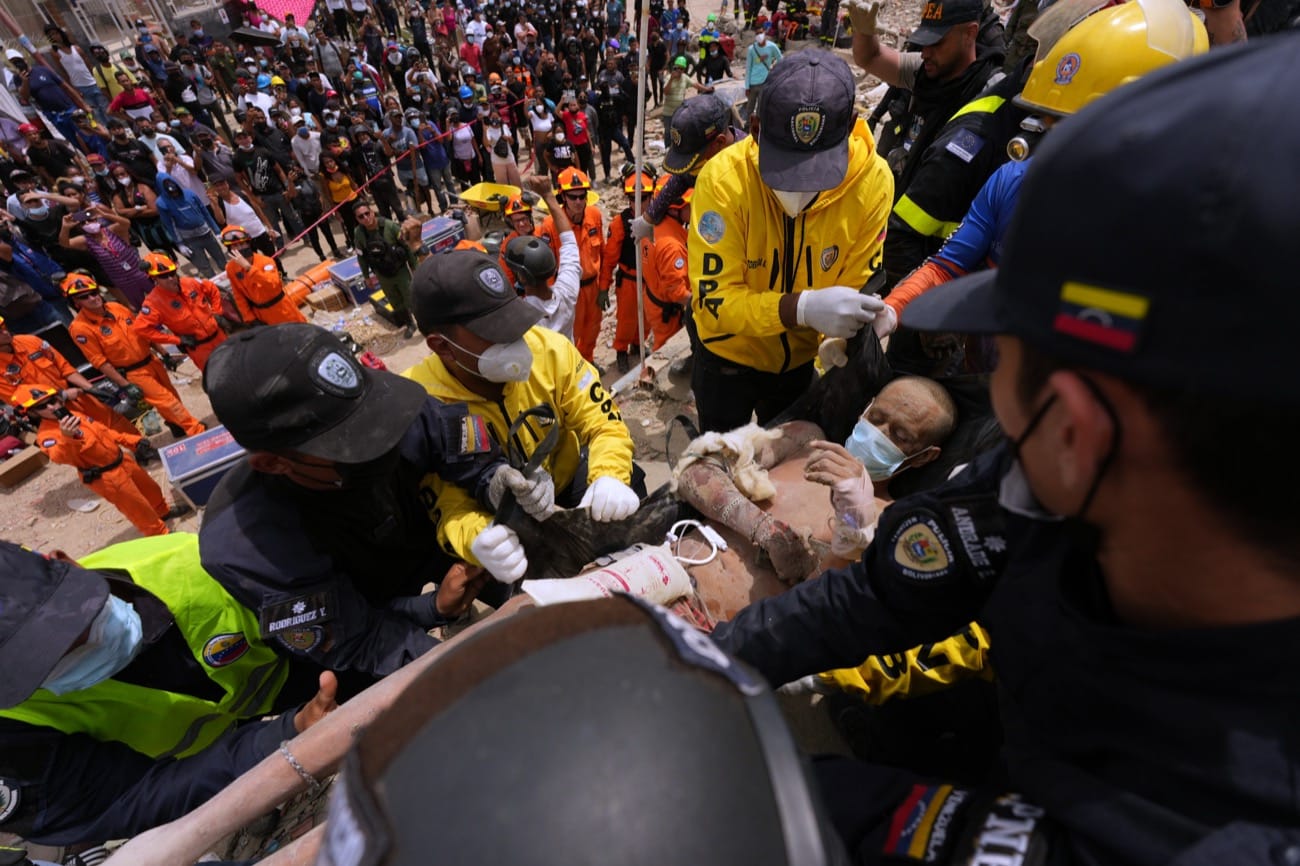
Vaccination becomes essential to prevent secondary public-health emergencies.
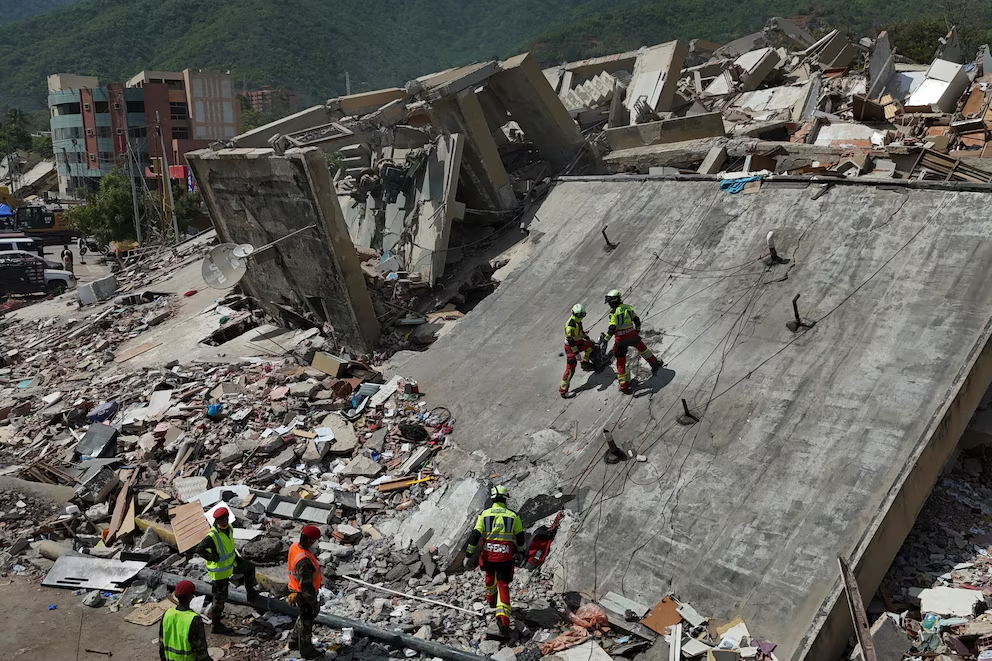
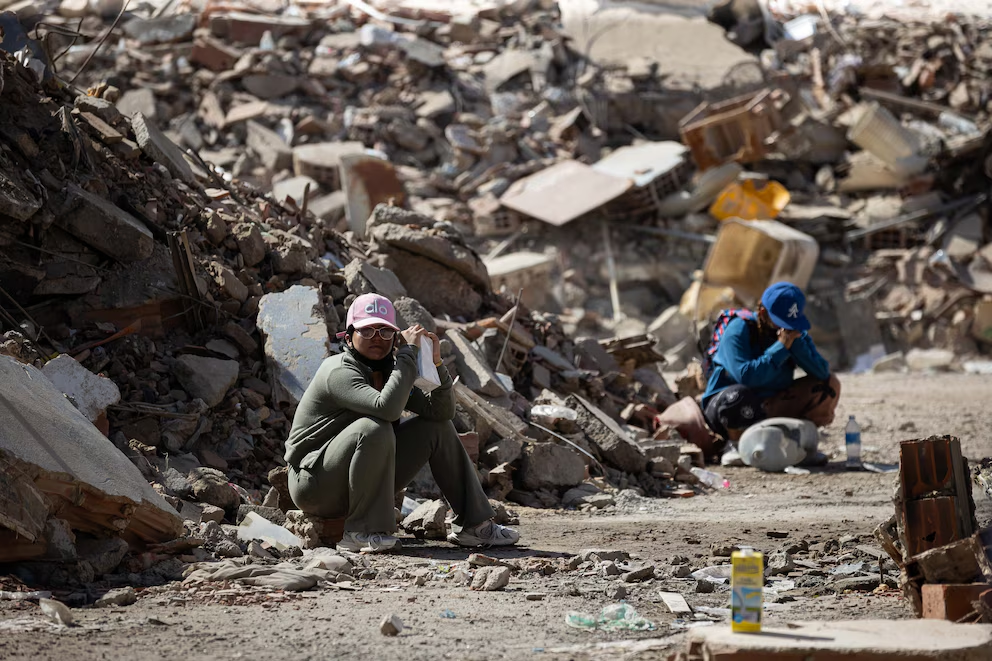
CARACAS, VENEZUELA — July 2026. Venezuela is confronting a complex public-health challenge after the earthquakes that affected several communities and disrupted essential services. The Latin American Society of Vaccinology urged authorities and humanitarian organizations to incorporate immunization from the earliest stages of the emergency response. Specialists emphasized that earthquakes do not directly cause epidemics, but overcrowding, unsafe water, interrupted healthcare and weakened surveillance can facilitate infectious-disease outbreaks. Existing gaps in vaccination coverage could further increase the vulnerability of children, older adults and displaced families.
Tetanus prevention has been identified as one of the most urgent priorities because injuries caused by debris, broken glass and contaminated soil can expose survivors to serious infection. Every traumatic wound should be cleaned and medically evaluated without delaying care while vaccination records are located. Emergency units must have tetanus vaccines and immunoglobulin available according to the severity of each wound and the patient’s immunization history. Rabies vaccination should also be accessible when survivors have suffered potentially dangerous contact with animals.
Health authorities were advised to use presumptive vaccination when survivors cannot prove whether they completed their recommended schedules. This approach means administering vaccines according to age and epidemiological risk rather than postponing protection until records are recovered. Children and adolescents with interrupted schedules should continue from the point where their immunization process stopped. Previously administered doses generally do not need to be repeated.
The emergency response also requires intensified surveillance for measles, poliomyelitis and diphtheria. Priority populations include injured survivors, pregnant women, older adults, people with chronic illnesses, immunosuppressed patients and residents of temporary shelters. Healthcare workers, rescuers, vaccination teams and volunteers must remain protected because an outbreak among emergency personnel could weaken the humanitarian operation. Influenza, COVID-19 and pneumococcal vaccination should receive special attention among vulnerable groups.
Other vaccines should not be introduced indiscriminately without evidence of a specific local threat. Immunization against hepatitis A, cholera, meningococcal disease, chikungunya or yellow fever should be considered only after epidemiological assessments justify their use. Specialists stressed that vaccination must complement safe drinking water, sanitation, hygiene, waste management and early medical care. Preventing disease after a disaster requires coordinated action across several public-health systems.
The proposed response includes different operational phases beginning during the first 72 hours after the emergency. Authorities should inventory vaccines, immunoglobulin, syringes and cold-chain equipment while integrating tetanus prevention into every treatment point. During the following weeks, vaccination brigades should restore protection against measles, rubella, polio, diphtheria, tetanus, pertussis, hepatitis B and influenza. Isolated communities and temporary shelters should receive priority attention.
A standardized emergency vaccination card has also been proposed for situations in which electronic systems are unavailable. The document could allow medical personnel to record doses administered in hospitals, mobile brigades and shelters. Families should preserve photographs or copies of existing immunization records whenever possible. Every interaction with the health system can become an opportunity to identify and close vaccination gaps.
International technical and financial assistance should be coordinated through national health authorities to avoid fragmented campaigns, duplicated efforts and incompatible records. Among the principal needs are vaccines, immunoglobulin, syringes, refrigeration equipment and trained personnel capable of reaching affected communities. Rapid immunization could protect thousands of people and prevent the seismic emergency from evolving into a second crisis driven by preventable disease.
Public-health protection must begin before the next crisis emerges.