

 Phoenix 24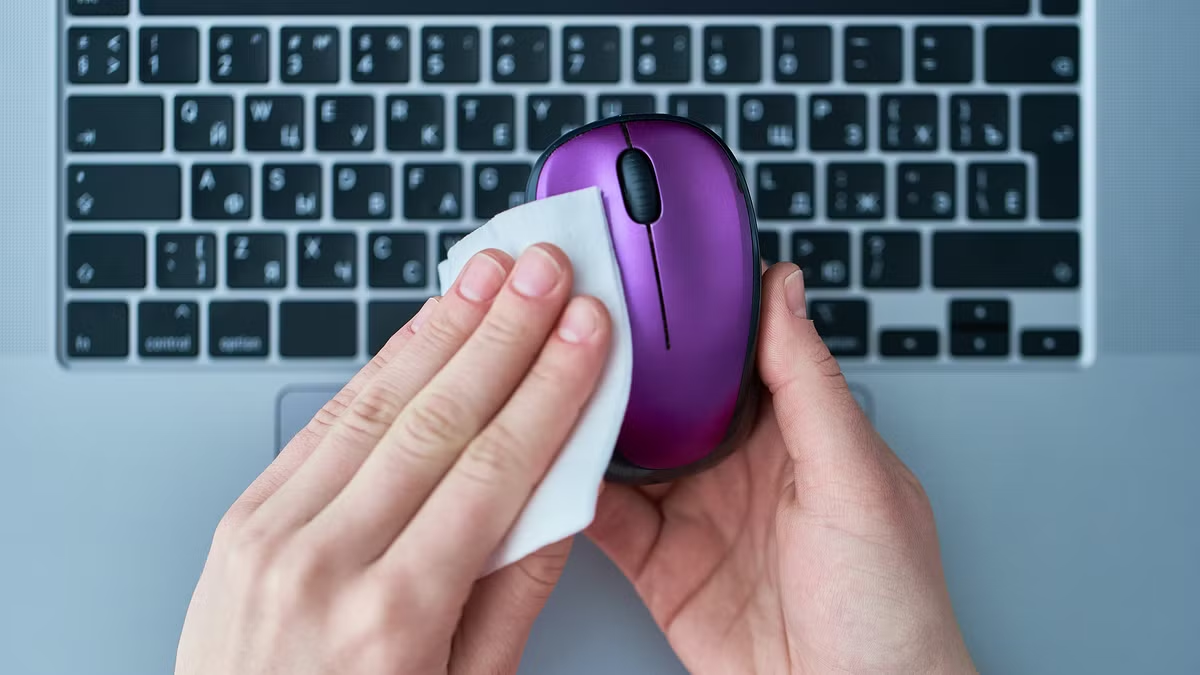
Moisture, not alcohol, is the main danger.
GLOBAL — July 2026. Alcohol wipes can be used to clean many computer keyboards, provided they contain no more than 70 percent isopropyl alcohol and are applied carefully. Their rapid evaporation helps remove oils, dirt and microorganisms without leaving heavy residue. However, the keyboard must first be turned off or disconnected. The manufacturer’s instructions should always take priority.
The wipe should be damp rather than saturated, since excess liquid can seep between the keys and reach switches, circuits or the laptop’s internal components. It is safer to press the wipe against a dry cloth before use and then clean each key with gentle movements. Alcohol or cleaning solution should never be sprayed directly onto the keyboard. The device must be completely dry before it is reconnected or turned on.
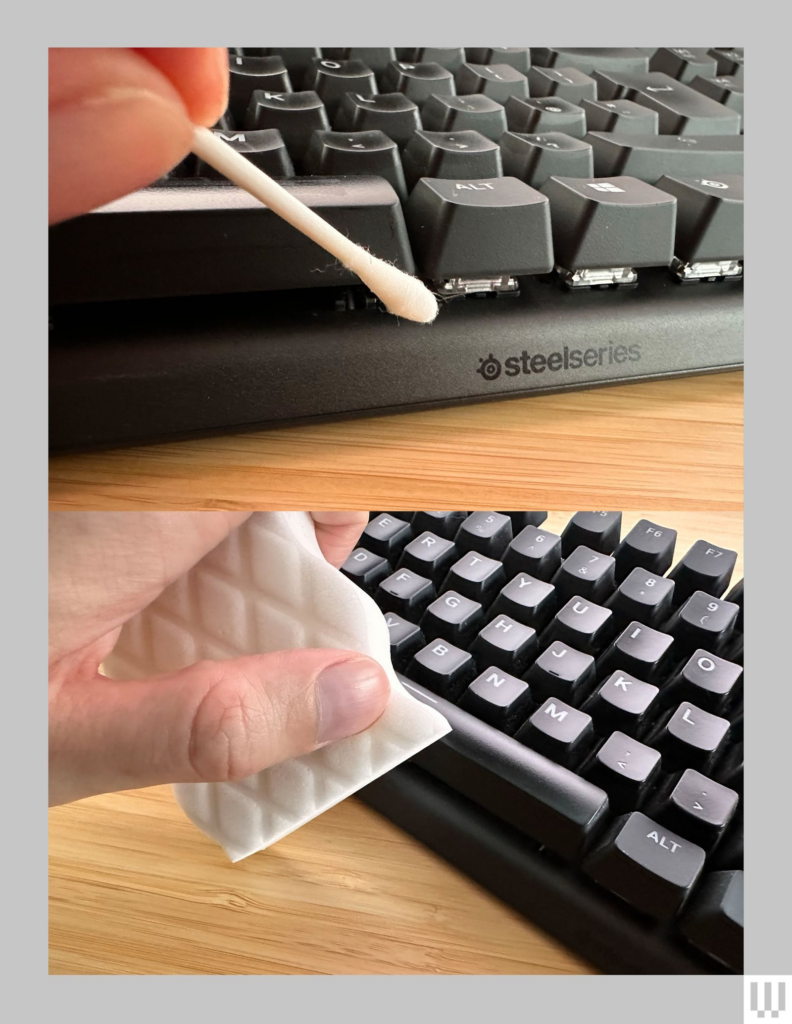
Repeated exposure can gradually damage printed letters, protective coatings or certain plastics, particularly on inexpensive, older or backlit keyboards. For those surfaces, a lightly dampened microfiber cloth may be the safer option. Products containing bleach, hydrogen peroxide, strong solvents or unidentified alcohol mixtures should be avoided. Abrasive paper and excessive pressure can also scratch or wear the keys.
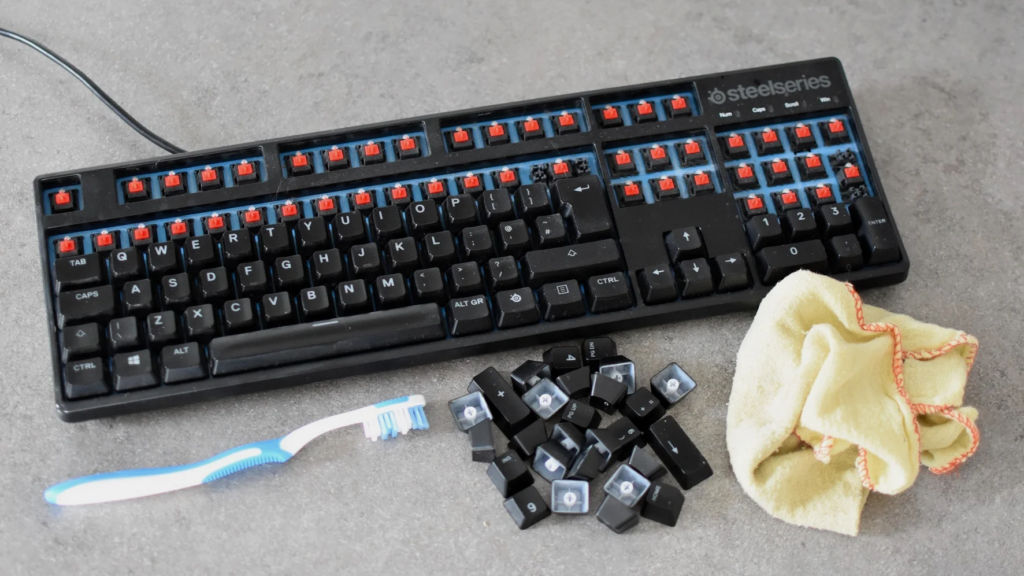
Dust and crumbs should be removed before applying moisture, using a soft brush or short bursts of compressed air. A slightly moistened cotton swab can help clean narrow spaces, but it should never release liquid when pressed. Removable keycaps on mechanical keyboards may be cleaned separately according to the manufacturer’s instructions. They must be completely dry before being reinstalled.
A monthly cleaning is generally sufficient for personal equipment, while shared keyboards or devices used near food may require more frequent attention. Washing hands before typing remains one of the simplest ways to reduce grease and contamination. Alcohol wipes are therefore safe for many keyboards, but only when concentration, moisture and surface compatibility are carefully controlled.
The safest cleaning method uses minimal liquid and maximum caution.