

 Phoenix 24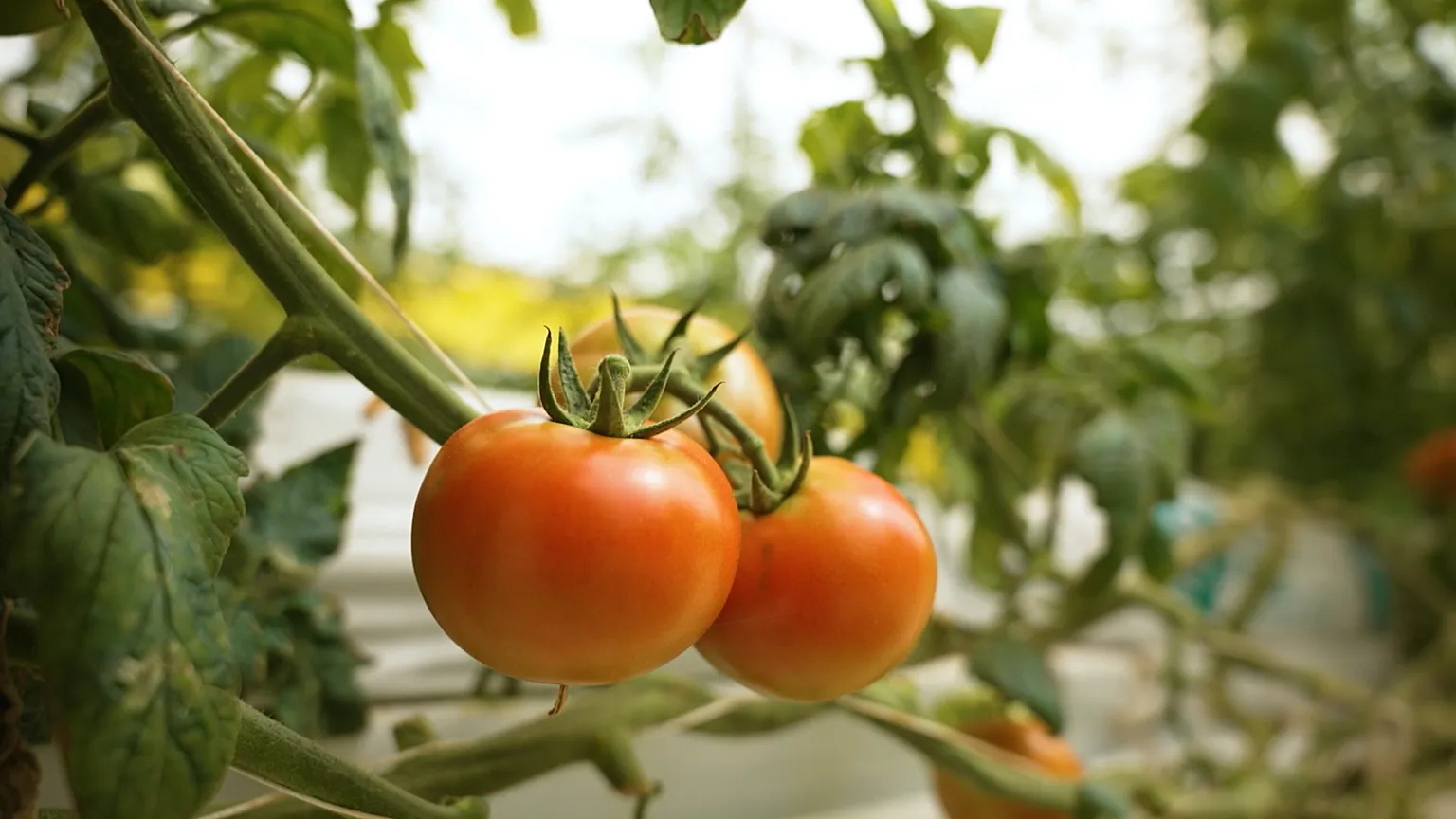
Innovation is turning scarcity into national resilience.
DOHA, QATAR — July 2026. With only about two percent of its territory considered arable, Qatar has made food security a strategic national priority. Extreme heat, limited rainfall and scarce fertile soil once left the country heavily dependent on imports. The regional blockade imposed in 2017 exposed the vulnerability of that model by disrupting established supply routes. Since then, domestic production has become a matter of economic resilience and national security.
The National Food Security Strategy 2024–2030 seeks to build a stable food system through three central pillars: sustainable local production, strategic reserves and diversified international supply partnerships. Qatar is promoting modern agricultural technologies capable of producing more food while using less land and water. Controlled environments, efficient irrigation and technology-driven farms are helping growers operate under severe desert conditions. The objective is not complete isolation from global markets, but a stronger balance between local capacity and reliable imports.
Government programs are also supporting farmers through improved pricing mechanisms, operational assistance and measures designed to strengthen the competitiveness of national products. Authorities want locally grown food to reach consumers with consistent quality, safety and availability. Agriculture has consequently become part of Qatar’s broader economic-diversification strategy rather than a marginal rural activity. The sector is increasingly linked to research, innovation and private investment.
Strategic reserves and early-warning systems form another essential layer of the plan. Qatar intends to maintain sufficient supplies of key products during geopolitical crises, transport interruptions or sudden market shortages. At the same time, the country is expanding commercial relationships with multiple food-producing nations to avoid excessive dependence on a limited number of suppliers. Ports, storage facilities and logistics networks have therefore become as important to food security as farms themselves.
Qatar’s experience demonstrates how a country with severe environmental constraints can redesign its food system through planning, technology and institutional coordination. Significant dependence on imports will remain because many crops cannot be produced locally in a sustainable or competitive manner. The long-term challenge will be increasing domestic output without placing unsustainable pressure on groundwater, energy or other natural resources. The strategy seeks resilience rather than absolute self-sufficiency.
In the desert, food security is being cultivated through innovation.