

 Phoenix 24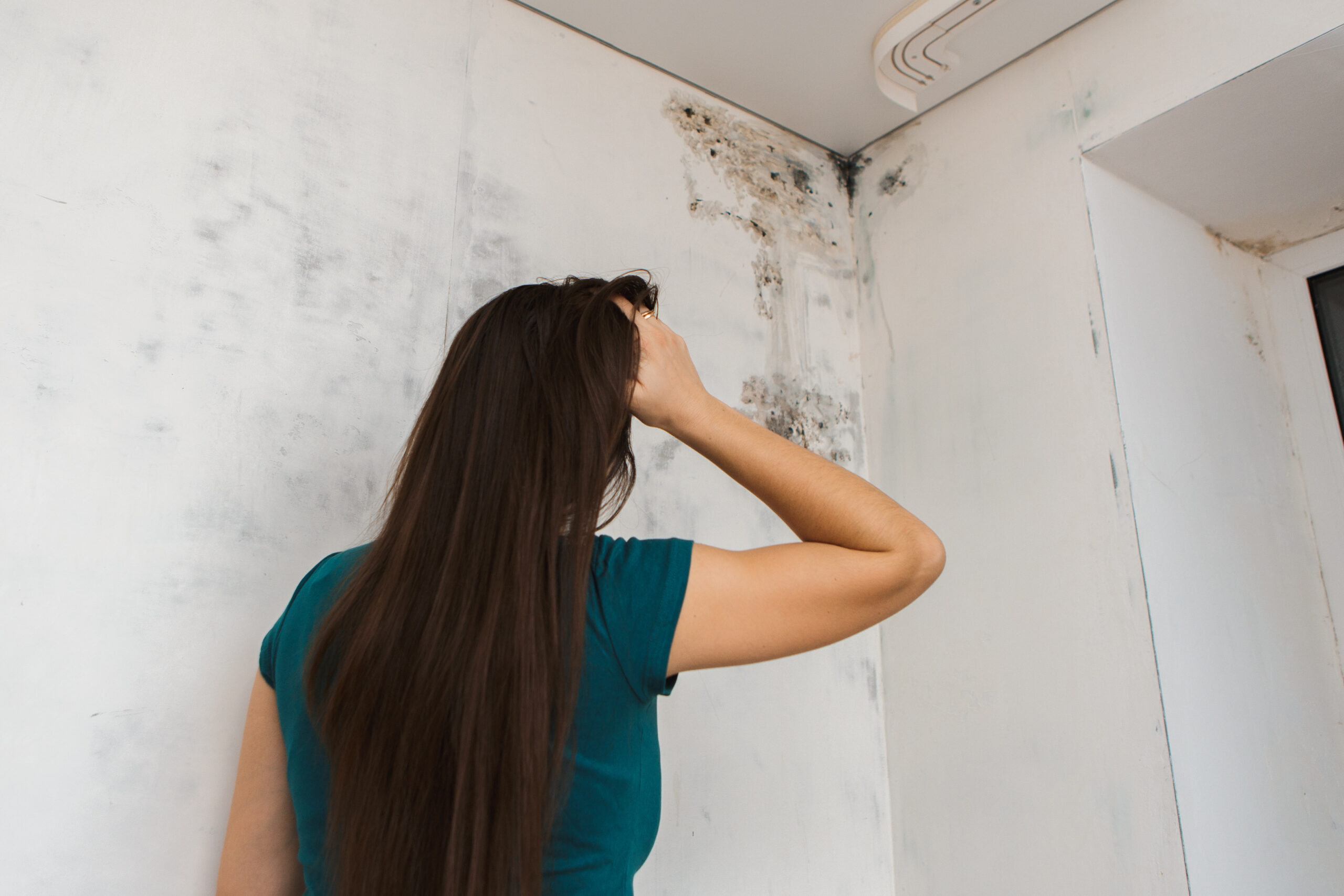
Persistent moisture turns ordinary rooms into silent health risks.
BOSTON, UNITED STATES — July 2026. Mold can spread through walls, ceilings, bathrooms, basements and ventilation systems whenever moisture remains trapped inside a home. Water leaks, flooding, condensation and poor ventilation create ideal conditions for fungal spores to settle and multiply. Beyond damaging paint, wood, drywall and furniture, indoor mold can reduce air quality and affect the health of people exposed over extended periods. Experts emphasize that the underlying moisture problem must be corrected because removing visible stains alone will not prevent the mold from returning.
Common symptoms include nasal congestion, sneezing, coughing, wheezing, irritated eyes, sore throat and skin rashes. People with asthma or mold allergies may experience stronger reactions, including worsening respiratory symptoms or asthma attacks. Children exposed to persistently damp or mold-contaminated environments may also face an increased risk of developing respiratory problems. However, the intensity of the reaction depends on individual sensitivity, the duration of exposure and existing medical conditions.

The greatest danger affects people with weakened immune systems, chronic lung diseases or treatments that suppress immune function. In uncommon but serious cases, these individuals can develop fungal infections affecting the lungs, sinuses or other parts of the body. Residents should seek medical evaluation when breathing difficulties, persistent coughing, fever or unexplained respiratory symptoms continue despite leaving the contaminated environment. Emergency care is necessary when exposure is followed by severe shortness of breath or a rapidly worsening asthma attack.
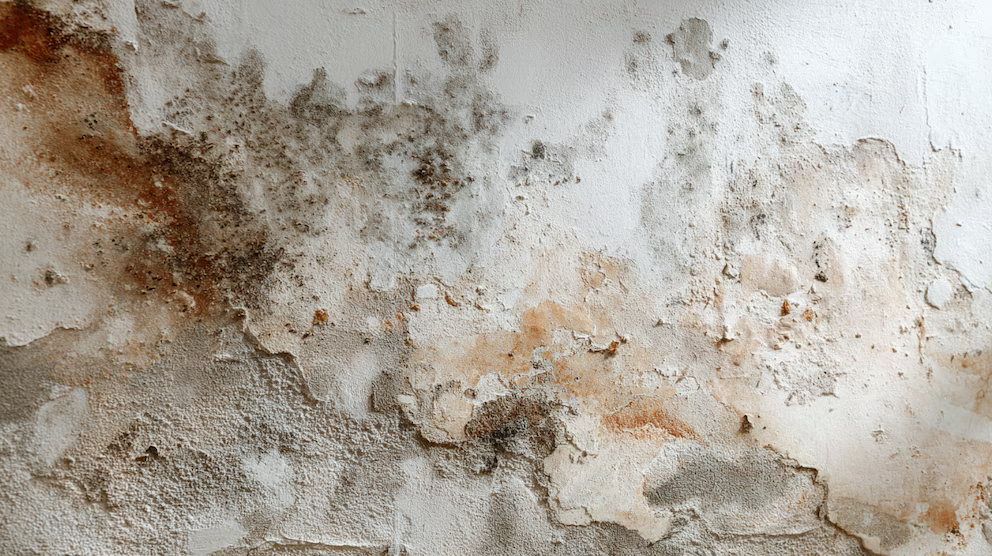
Mold may appear in black, green, brown, white, blue, yellow or pink patches and can have a cotton-like, powdery, slimy or fuzzy texture. A persistent earthy or musty odor may reveal hidden growth behind wallpaper, carpets, cabinets or air-conditioning systems. Experts caution that color alone does not determine how dangerous a mold is, and the so-called black mold should be removed with the same urgency as other indoor varieties. Identifying the exact species is generally less important than eliminating the contamination and correcting the source of moisture.

Prevention begins by repairing leaking pipes, roofs and windows, improving airflow and drying wet materials as quickly as possible. Bathrooms and kitchens should be ventilated with exhaust fans or open windows, while dryers must release humid air outside the home. Gutters and drainage systems should direct water away from foundations, and indoor humidity should remain controlled to discourage fungal growth. Large contaminated areas, recurrent mold or damage involving sewage and flooding should be handled by qualified remediation professionals.
A dry, ventilated home remains the strongest defense against mold.