

 Phoenix 24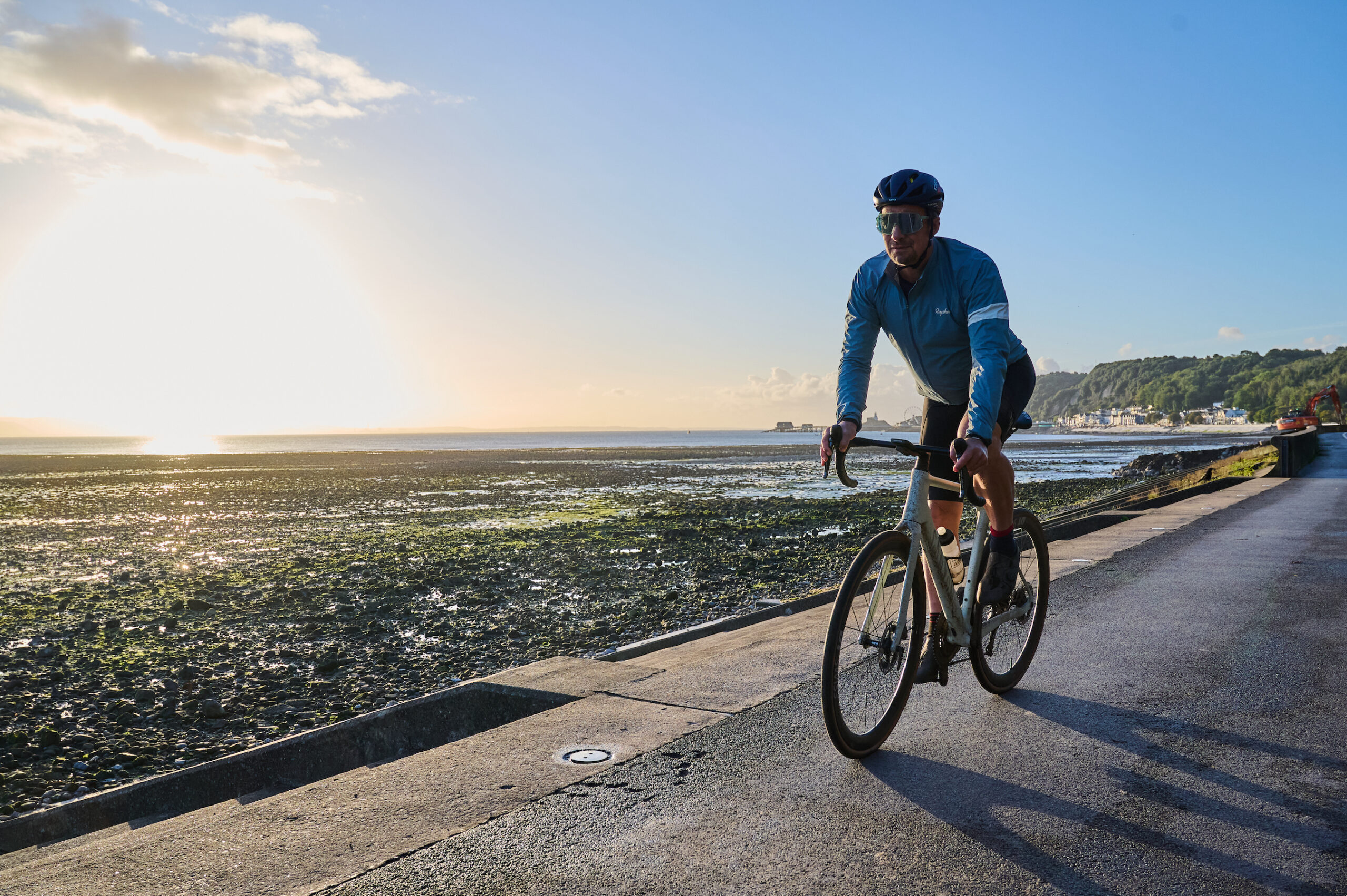
Pedaling strengthens the body, mind and daily routine.
BUENOS AIRES | JULY 2026
Cycling offers a combination of cardiovascular exercise, muscular development and psychological benefits that can be adapted to beginners, experienced athletes and people returning to physical activity after a period of inactivity. Resistance, speed, duration and incline can be modified to create sessions ranging from gentle recreational rides to demanding interval workouts, making the bicycle one of the most versatile forms of exercise. Because the body is supported by the seat and the movement does not involve repeated impact against the ground, cycling generally places less stress on joints, tendons and ligaments than running or other weight-bearing activities. This low-impact characteristic can make it particularly attractive to older adults, people managing excess body weight and individuals seeking to remain active while reducing mechanical pressure on the knees, ankles and feet.
The cardiovascular benefits remain among its most established advantages because pedaling requires the coordinated participation of the heart, lungs and blood vessels to deliver oxygen to working muscles. Consistent practice can improve endurance and allow people to sustain higher levels of physical activity for longer periods without becoming exhausted as quickly. Research involving people with diabetes has associated regular cycling with lower cardiovascular mortality and a reduced risk of death from any cause, although individual outcomes depend on health status, training frequency and other lifestyle factors. Beyond endurance, cycling can also contribute to stronger legs and greater muscular resistance, especially when riders increase the bicycle’s resistance, climb hills or perform short high-intensity sprints that demand more force from the quadriceps, hamstrings, calves and gluteal muscles.

Although the legs generate most of the visible movement, cycling also requires the abdomen, lower back, shoulders and arms to stabilize the body and maintain control of the bicycle. Indoor resistance and outdoor inclines can increase the strength component, while combining cycling intervals with upper-body exercises can create a more complete training session. Stronger muscles surrounding the knees, ankles and feet may improve joint support, and some studies have associated regular cycling with a lower probability of developing knee pain and osteoarthritis later in life. People living with arthritis or another musculoskeletal condition should nevertheless obtain professional guidance before beginning or intensifying a routine, particularly when pain, inflammation, reduced mobility or a previous injury is present.
The mental-health effects of cycling are also receiving greater attention because physical activity can promote the release of endorphins and provide a structured period of concentration away from daily stressors. Regular practice has been associated with improvements in mood, self-esteem and perceived stress, while the repetitive rhythm of pedaling can encourage a form of mindfulness by directing attention toward breathing, cadence and immediate physical sensations. A systematic review published in 2025 linked cycling programmes with reductions in depressive symptoms after approximately 16 weeks, although exercise should complement rather than replace appropriate psychological or medical treatment when a mental-health condition exists. Additional research has associated cycling with a lower risk of dementia and Alzheimer’s disease, suggesting that active transportation and recreational riding may contribute to long-term cognitive health alongside their more immediate emotional benefits.

Cycling can also support weight-management goals because it increases energy expenditure while preserving the possibility of adjusting intensity according to the rider’s capacity. A 12-week indoor cycling programme involving women with obesity was associated with reductions in body weight and increases in muscle mass, illustrating how regular sessions can influence body composition when combined with suitable nutrition and recovery. The activity can serve as cross-training for runners and other athletes who need to maintain cardiovascular conditioning while temporarily reducing impact because of fatigue or injury. It is also compatible with limited schedules, since high-intensity interval sessions may last only 10 to 15 minutes, while longer rides at moderate intensity can be used to develop endurance and create a more sustainable recreational routine.
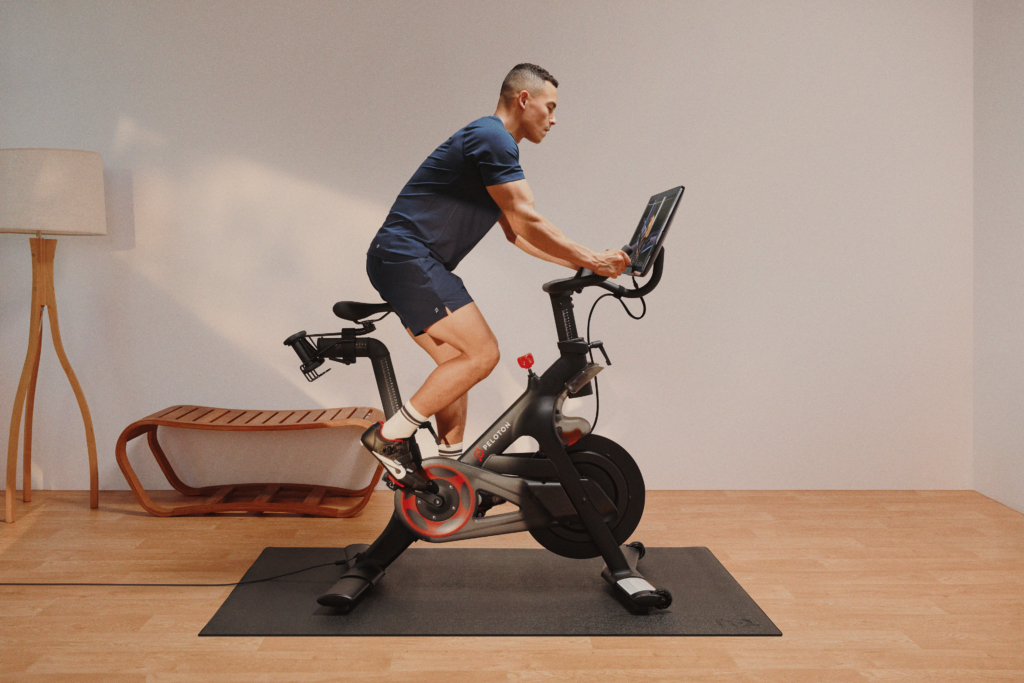
Training can be organized through progressive intervals based on cadence, resistance, speed, distance or power output. One option involves beginning at a comfortable effort and increasing the intensity every minute for several cycles before returning to an easier pace, while another combines five minutes of steady pedaling with five minutes of strength work away from the bicycle. Indoor cycling offers control over resistance and removes weather-related obstacles, whereas outdoor riding adds balance, navigation, changing terrain and exposure to natural environments. Time spent in green spaces has been associated with lower stress markers and improvements in blood pressure and heart rate, potentially strengthening the psychological value of outdoor exercise.
The bicycle also provides practical benefits beyond formal workouts because it can become a means of transportation for commuting, shopping and completing short daily journeys. As confidence and physical conditioning improve, trips that once required a car may become manageable by bicycle, creating additional opportunities for movement without requiring a separate visit to the gym. Research has associated bicycle commuting with substantially lower carbon emissions than non-active transportation, while riders can also reduce fuel expenses and dependence on congested road networks. These environmental and economic advantages transform cycling from an isolated exercise session into a daily habit capable of improving individual health and contributing to more sustainable cities.

Safety remains essential when incorporating cycling into everyday life. Riders should use an appropriately fitted bicycle, wear a helmet, remain visible, follow traffic regulations and gradually increase training volume rather than attempting demanding distances immediately. Proper seat height and handlebar positioning can reduce unnecessary strain on the knees, hips, back and wrists, while hydration and recovery become increasingly important during longer or more intense sessions. With reasonable precautions and a routine adapted to personal capacity, cycling can deliver cardiovascular conditioning, stronger muscles, healthier joints, emotional relief and practical mobility through the same repeated movement.
Every turn of the pedals can strengthen more than the heart.