

 Phoenix 24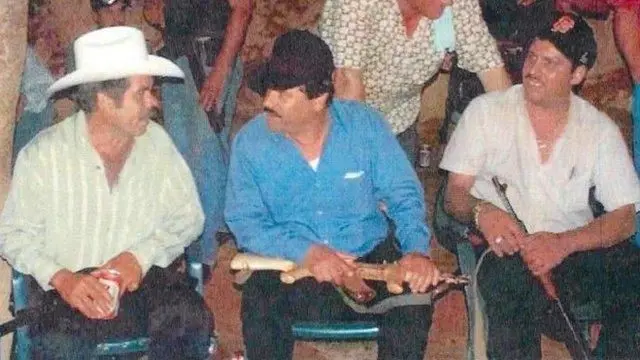
Disappearances and displacement redefine the cost of organized crime.
CULIACÁN, MEXICO — July 2026.
The confrontation between the factions commonly known as Los Chapitos and Los Mayos has become the longest and one of the bloodiest internal wars in the history of the Sinaloa Cartel. The conflict erupted openly on September 9, 2024, several weeks after Ismael “El Mayo” Zambada and Joaquín Guzmán López were taken into United States custody in El Paso, Texas. Zambada later alleged that Guzmán López had abducted him and delivered him across the border, an account that intensified perceptions of betrayal within the organization. The rupture destroyed a fragile internal balance and triggered a prolonged struggle for territory, personnel, trafficking routes and political influence.
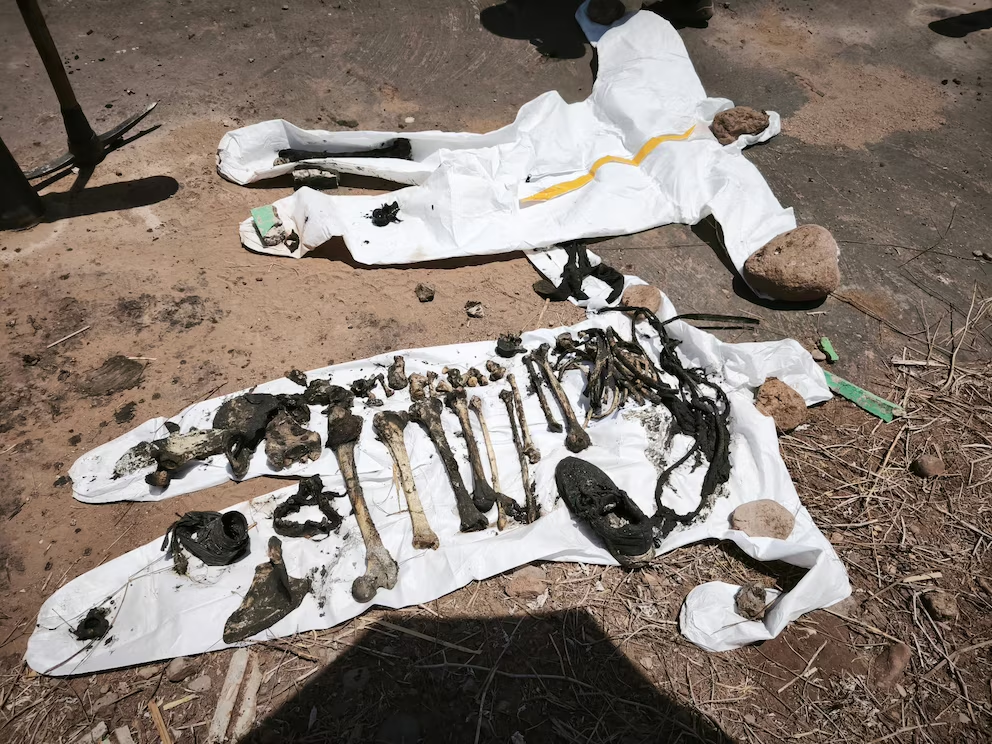
The humanitarian consequences have extended far beyond people directly associated with criminal groups. Figures cited from the Sinaloa State Attorney General’s Office indicate that 3,889 people were reported missing or unlawfully deprived of liberty between September 2024 and June 21, 2026. Independent search collectives estimate that the real number could approach 6,000 because some families avoid reporting disappearances out of fear of retaliation. Women, children, workers and residents with no known connection to either faction have increasingly appeared among the victims, distinguishing the current conflict from earlier cartel disputes.
Homicide levels have remained severe while clandestine graves continue exposing deaths not immediately reflected in official murder statistics. State prosecutors recorded 2,951 intentional homicides from September 2024 through June 2026, while local journalistic monitoring placed the total closer to 3,489. Search groups reported locating dozens of clandestine burial sites and more than 80 bodies during the first half of 2026 alone. These differences illustrate how delayed identifications, disputed classifications and unreported crimes can prevent official data from capturing the complete scale of the violence.
Forced displacement has become another defining feature as armed confrontations and threats empty rural communities and isolate mountain regions. The Sinaloa government has reported approximately 3,000 displaced residents, particularly from parts of Badiraguato, rural Culiacán, San Ignacio and other areas exposed to factional competition. Families have abandoned homes, farms, schools and small businesses, often without certainty that they can return safely or recover their property. The economic effects extend into urban centers, where reduced nighttime activity, interrupted transportation and fear of investment weaken commerce and employment.

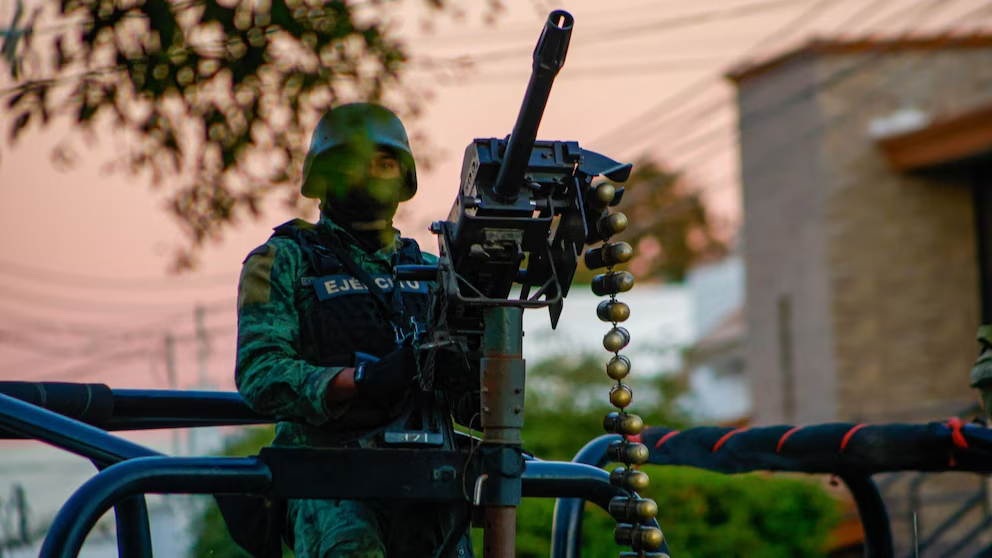
Federal authorities have deployed thousands of military and security personnel, yet the persistence of killings and disappearances demonstrates the limits of a predominantly operational response. Large deployments can restrict movement, seize weapons and interrupt specific criminal cells, but they do not automatically restore investigative capacity, local trust or protection for witnesses. Human-rights advocates also warn that fear may suppress complaints about abuses committed by criminal groups or public forces. Sustainable stabilization requires credible investigations, victim support, forensic resources and institutions capable of prosecuting crimes without exposing complainants to further danger.
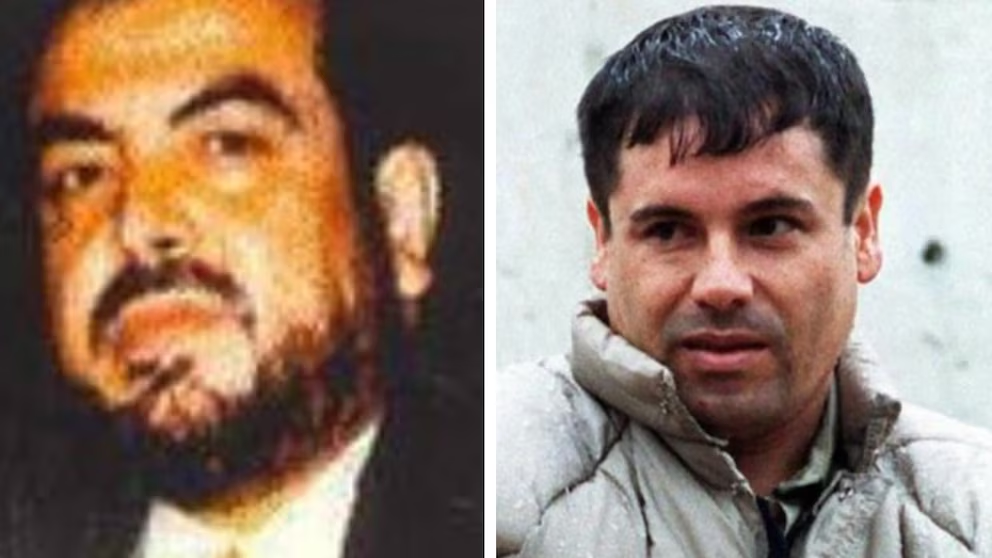
Sinaloa has experienced major internal cartel wars before, including the rupture with the Beltrán Leyva organization beginning in 2008. That confrontation lasted several years and contributed to more than 5,000 homicides in the state, while the later struggle involving Dámaso López intensified after Joaquín “El Chapo” Guzmán’s capture and ended after López was arrested in 2017. The current conflict differs because disappearances, mass displacement and violence against civilians have become more systematic and geographically persistent. Analysts and search advocates therefore describe it not only as a criminal power struggle, but as an expanding humanitarian emergency.
The division has also encouraged both factions to seek alliances, recruit local armed groups and protect their operations beyond Sinaloa. Such fragmentation can make violence harder to contain because command structures become less predictable and agreements between senior leaders lose authority over smaller cells. Competition may spread into neighboring states through disputes over transport corridors, drug production, extortion and access to ports or border routes. Even if prominent leaders are arrested, the conflict may continue through decentralized networks whose financial incentives and local rivalries remain intact.
The greatest burden continues to fall on families searching for missing relatives while navigating fear, limited information and inadequate forensic systems. Mothers and volunteer collectives frequently conduct field searches themselves, exposing them to threats while performing work that should be supported and protected by the state. Officials and civil society organizations increasingly warn that the combination of disappearances, homicide, displacement and economic paralysis is pushing Sinaloa toward a humanitarian crisis. Ending the violence will require more than weakening one faction, because lasting recovery depends on truth, justice, institutional accountability and security for communities that have lived under pressure since September 2024.
Phoenix24 — Global news with clarity and perspective.