

 Phoenix 24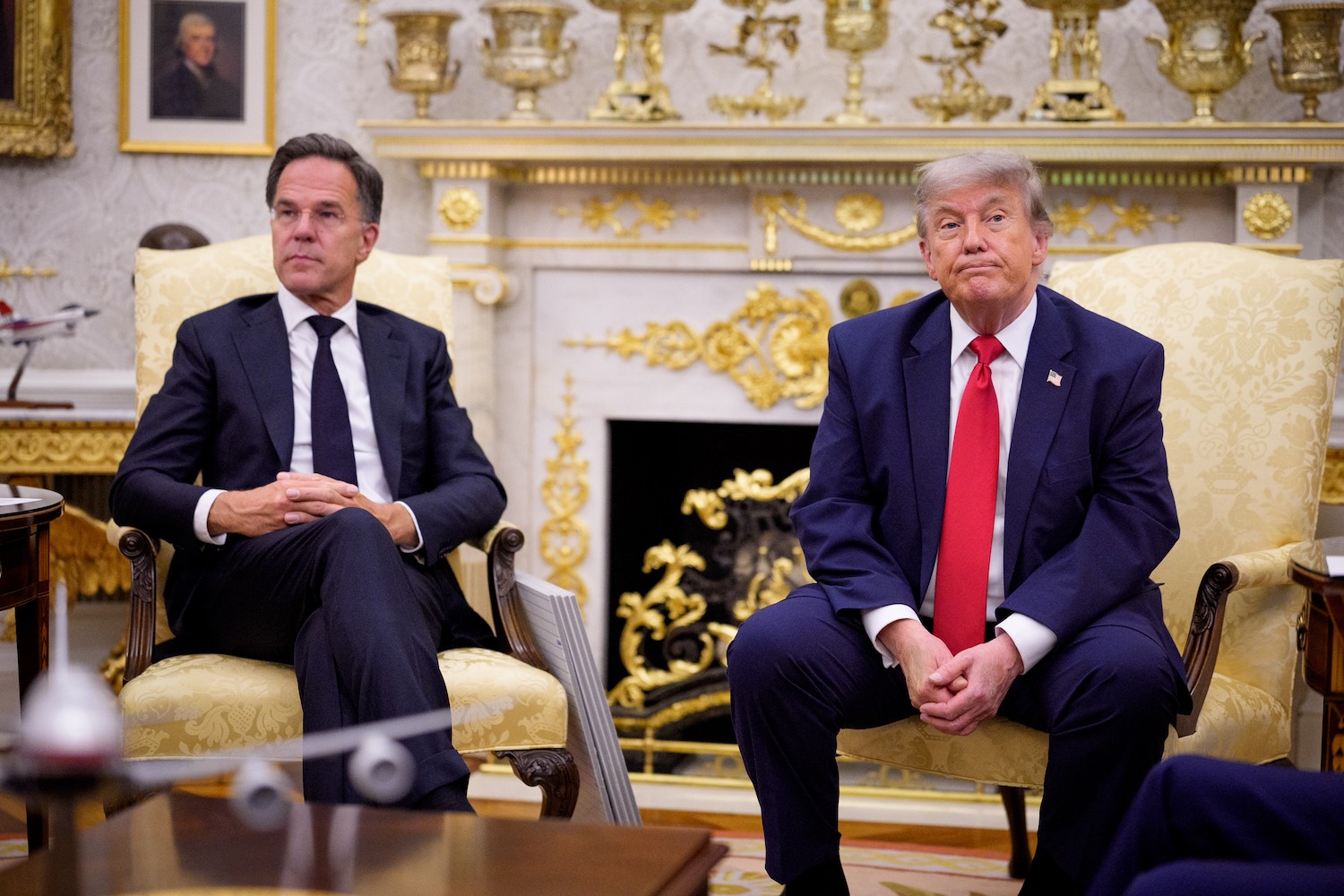
Personal ties could contain growing alliance tensions.
BRUSSELS, BELGIUM — July 2026.
Former United States ambassador to NATO Kurt Volker has suggested that President Donald Trump’s latest anger toward European allies may not derail the alliance’s approaching summit in Ankara. Volker described Trump as a political leader who is frequently dissatisfied with an issue, whether defense spending, European contributions, Iran or another international dispute. Despite the president’s confrontational statements, the veteran diplomat believes Trump will avoid creating an embarrassing crisis for Turkish President Recep Tayyip Erdoğan. The personal relationship between both leaders could therefore provide NATO with a degree of protection during an unusually tense gathering.
The summit will bring NATO heads of state and government together in the Turkish capital on July 7 and 8. Leaders are expected to review progress since the 2025 meeting in The Hague and decide how existing commitments should be transformed into military capabilities, industrial production and continued support for Ukraine. The agenda also includes defense investment, procurement coordination and the alliance’s response to Russia and instability in the Middle East. However, Trump’s renewed criticism has placed the reliability of American support at the center of preparations.
Trump has accused several allies of abandoning the United States by refusing to participate in or facilitate military operations against Iran. Spain and Italy reportedly denied the use of certain bases, while France prevented Israeli flights carrying weapons intended for the conflict from crossing its airspace. European governments argued that they had not participated in planning the operation and did not consider the war part of NATO’s collective-defense mission. Their position reflects a fundamental distinction between defending an allied country after an armed attack and automatically supporting every military campaign initiated by Washington.
Volker called the administration’s portrayal of European behavior an exaggeration because allies were not properly consulted before the operation began. He argued that Washington could not reasonably complain about unavailable bases or airspace after failing to communicate its intentions and formally request assistance in advance. Consultation has always been essential inside NATO because its decisions depend on political agreement among sovereign governments rather than automatic obedience to the United States. The dispute therefore exposes not only different views about Iran, but also a breakdown in alliance coordination and expectations.
Trump intensified the pressure days before the summit by describing the United States’ relationship with NATO as unilateral and nonreciprocal. He argued that alliance members had not supported Washington when needed, while the United States continued carrying a disproportionate share of the military burden. His complaints followed years of criticism directed at European governments that spend less on defense than Washington considers necessary. The president’s rhetoric has repeatedly raised concerns that disagreements over money or military operations could weaken the credibility of collective defense.
The administration has already demonstrated its willingness to turn political anger into concrete military decisions. After German Chancellor Friedrich Merz criticized the strategy behind the Iran conflict, Trump announced the withdrawal of approximately 5,000 American troops from Germany and publicly attacked European partners. Such actions increase uncertainty because force deployments traditionally reflect long-term security planning rather than immediate reactions to diplomatic criticism. Allies must now consider whether future disagreements could produce additional reductions in American troops, equipment or logistical support across Europe.
Nevertheless, Trump has confirmed that he will attend the Ankara summit, explaining that his decision reflects respect for Erdoğan. He indicated that he might not have participated had the meeting been held in another country, highlighting the importance he assigns to personal relationships in foreign policy. Erdoğan’s ability to communicate directly with the American president may help prevent disputes from dominating the formal sessions. Turkey could consequently play a central mediating role between Washington and European capitals seeking to preserve unity without accepting every American demand.
NATO Secretary General Mark Rutte is attempting to demonstrate that European allies and Canada are responding to American pressure through substantially higher investment. Members agreed at the previous summit to work toward spending five percent of gross domestic product on defense and security by 2035. The Ankara meeting is intended to shift attention from numerical promises toward weapons production, joint procurement, readiness and the capabilities required to deter aggression. European governments will need to prove that increased budgets can generate usable military strength rather than remaining accounting exercises or distant political commitments.
Support for Ukraine will remain another important test of transatlantic cohesion as Russia’s invasion continues and battlefield conditions remain difficult. NATO views Russian military power as a persistent threat to Euro-Atlantic security, while European states increasingly recognize that they must assume greater responsibility for continental defense. Washington’s strategic attention is also moving toward the Indo-Pacific and Middle East, increasing pressure on Europe to sustain Ukraine and strengthen its own forces. The alliance must therefore manage Trump’s grievances while maintaining deterrence against Russia and preventing disagreements over Iran from damaging support for Kyiv.
Volker’s assessment suggests that the summit may be more controlled than Trump’s public statements currently imply. Personal diplomacy, careful management by Rutte and Erdoğan’s role as host could prevent the gathering from becoming another open confrontation between Washington and Europe. Yet the underlying problems involving consultation, burden sharing and the limits of collective responsibility will remain after the leaders leave Ankara. NATO’s long-term stability will depend not on avoiding one dramatic dispute, but on rebuilding predictable cooperation between allies whose security priorities increasingly differ.
Phoenix24 — Global news with clarity and perspective.