

 Phoenix 24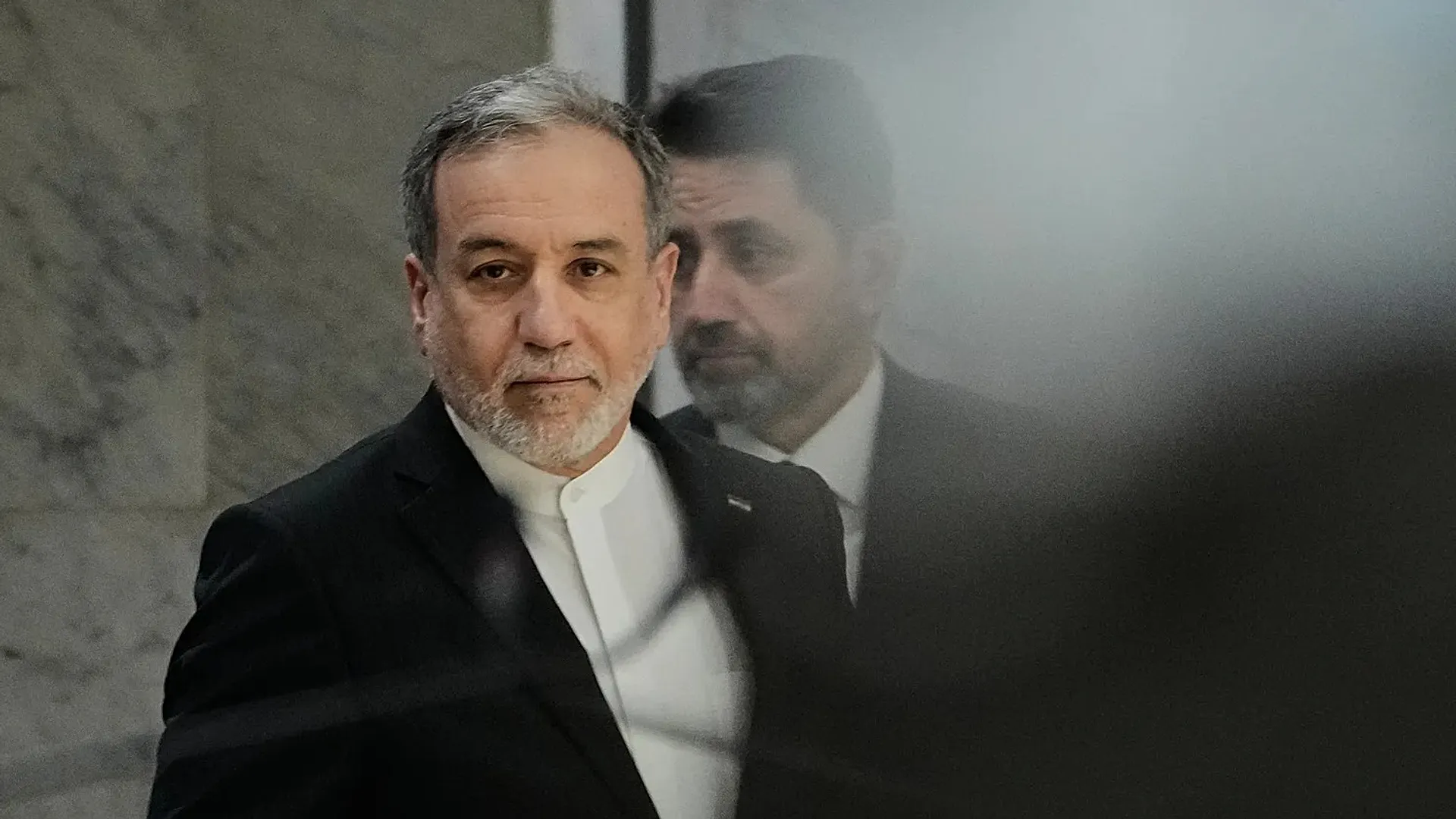
Secret warnings exposed deep fractures among wartime allies.
TEHRAN, IRAN — July 2026.
Iranian Foreign Minister Abbas Araghchi has confirmed that Tehran knew Israel might attempt to assassinate senior Iranian officials participating in ceasefire negotiations with the United States. The alleged targets included Araghchi and parliamentary speaker Mohammad Bagher Ghalibaf, two of the principal figures representing Iran during diplomatic contacts held in Pakistan. American officials reportedly became sufficiently concerned to ask regional governments to warn Tehran indirectly about the possible operation. The revelation highlights the extraordinary security risks surrounding negotiations intended to end the conflict and establish a longer-term political agreement.
Araghchi addressed the reports during an interview broadcast by Iranian state television, saying he had been aware of the threat before traveling to Pakistan. Asked why he continued with the trip despite the danger, he presented the decision as a national responsibility connected to Iran’s pursuit of regional peace. His remarks combined defiance toward Israel with an effort to portray Iran’s negotiating delegation as willing to accept personal risk for diplomatic progress. Neither the Israeli government nor the United States administration has publicly confirmed the operational details of the alleged assassination plan.
The warnings reportedly intensified during negotiations held in Islamabad in April, when the United States was trying to consolidate a ceasefire after weeks of fighting. Vice President JD Vance participated in the diplomatic process, while regional intermediaries helped maintain communication between governments that have lacked formal diplomatic relations since 1980. Those discussions eventually contributed to the framework agreement signed by Iran and the United States on June 17. The countries are now operating under an extended 60-day ceasefire intended to provide negotiators with time to complete a final settlement.
American concerns centered on the possibility that killing Araghchi or Ghalibaf would eliminate the officials most capable of sustaining negotiations with Washington. United States officials had already watched several senior Iranian political and security figures die during the Israeli campaign against the country’s leadership. The assassination of national security official Ali Larijani reportedly became a turning point because it removed another person regarded as capable of communicating with foreign governments. Officials feared that continued targeted killings could leave no credible negotiating channel and push the conflict back toward uncontrolled military escalation.
Because Washington and Tehran could not communicate directly through embassies, the warning was reportedly transmitted through allied governments and regional intermediaries. This indirect method illustrates the complexity of crisis diplomacy when adversaries must exchange urgent intelligence without established diplomatic infrastructure. It also demonstrates the unusual position of the United States, which was attempting to protect Iranian negotiating partners from a possible operation by Israel, its closest regional ally. The episode suggests that Washington and Israel no longer shared identical objectives regarding the future of Iran’s political leadership.
Ghalibaf reportedly faced the most immediate danger while returning from Islamabad after participating in talks with American officials. Pakistani fighter jets escorted the Iranian delegation during parts of the journey because Tehran feared a possible aerial attack. Intelligence indicating that Israeli aircraft had entered Iranian airspace reportedly forced Ghalibaf’s plane to make an emergency landing in Mashhad instead of continuing directly to Tehran. The parliamentary speaker and the accompanying delegation then completed the journey to the capital by road in a trip lasting approximately eight hours.
The suspected plot raises serious questions about whether Israel intended to undermine negotiations capable of ending the war without achieving broader political change inside Iran. Israeli leaders have repeatedly argued that military pressure is necessary to eliminate strategic threats posed by Iran’s nuclear, missile and regional programs. American officials, however, increasingly concluded that removing additional political leaders could strengthen more radical factions and make any negotiated settlement impossible. The contrasting calculations expose a fundamental difference between weakening Iran’s military capabilities and attempting to transform its governing system through sustained attacks.
The controversy also places pressure on the June framework agreement because successful diplomacy depends on negotiators believing that they can participate without becoming military targets. Security guarantees, protected travel arrangements and reliable communication channels may now become essential components of every future meeting. Iran could use the alleged assassination plan to demand stronger commitments from Washington that Israel will not interfere with the diplomatic process. The United States may consequently face the difficult task of advancing talks with Tehran while restraining an ally determined to preserve freedom of military action.
For Iran, confirming the threat allows the government to present its negotiators as courageous officials who pursued diplomacy despite the possibility of death. It also supports Tehran’s argument that Israel sought to sabotage peace efforts while publicly claiming that military operations were necessary for regional security. Israel has not directly responded to the accusations, leaving important questions about the alleged target list, operational planning and American intervention unresolved. Without independent confirmation, the precise scope of the reported plot remains uncertain even though multiple accounts indicate that Washington treated the threat seriously.
The episode demonstrates how negotiation and warfare can operate simultaneously, with diplomats attempting to construct agreements while intelligence agencies and military forces continue planning against one another. A ceasefire can reduce immediate violence without creating trust, especially when senior officials believe that travel to a meeting could expose them to assassination. The durability of the current process will depend on whether the parties can protect diplomatic channels from military actions designed to alter the balance of power. Any attack on the negotiators themselves could destroy the remaining confidence and return the region to another dangerous cycle of retaliation.
Phoenix24 — Global news with clarity and perspective.