

 Phoenix 24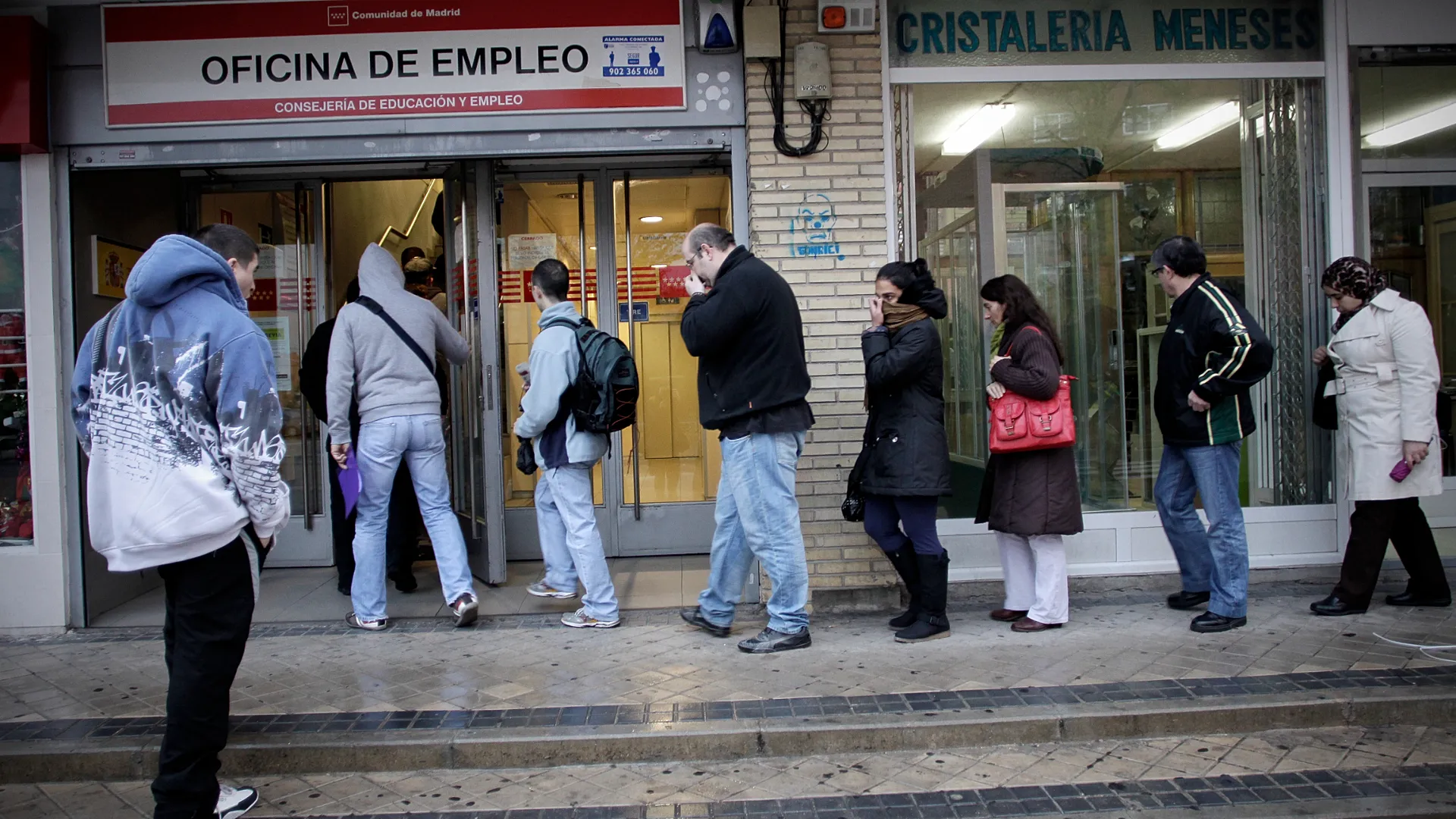
June data confirm another historic labor-market milestone.
MADRID, SPAIN — July 2026.
Spain’s registered unemployment fell below 2.3 million people in June for the first time since January 2008, marking another important milestone in the country’s labor-market recovery. The number of people listed as unemployed by the State Public Employment Service declined by 28,739 from May, a monthly reduction of 1.24 percent. The total now stands at 2,291,982 registered jobseekers, returning the indicator to levels not recorded since before the global financial crisis. Compared with June 2025, unemployment decreased by 113,981 people, representing an annual decline of 4.74 percent.
The services sector accounted for almost the entire monthly improvement as the summer tourism and commercial seasons increased demand for workers. Registered unemployment in services fell by 28,498 people, while industry recorded 2,829 fewer jobseekers and construction registered a decline of 1,326. Agriculture also reported a smaller reduction of 384 people, extending the improvement across all four principal economic sectors. The only category moving in the opposite direction was people without previous employment, which increased by 4,298 and highlighted the difficulties confronting first-time jobseekers and those returning after lengthy absences.
Women played a central role in the June decline, with female unemployment falling by 15,801 to a total of 1,388,309. This was the first time that registered female unemployment had dropped below 1.4 million since August 2008, reinforcing a longer-term improvement in women’s participation and employment. Male unemployment decreased by 12,938 to 903,673, while the annual reductions reached 72,575 women and 41,406 men. Despite the progress, the substantial numerical difference between unemployed women and men shows that gender disparities remain an important structural feature of Spain’s labor market.
Youth unemployment also reached a historic low within the registered system after the number of people under 25 without work declined by 5,155 in June. The total fell to 159,800, the lowest figure recorded in the available statistical series for this age group. Compared with the same month in 2025, registered youth unemployment decreased by 6,907 people, with the annual improvement particularly pronounced among young women. The result offers encouraging evidence for younger workers, although difficulties involving temporary employment, salary levels, housing costs and access to stable professional careers remain unresolved.
The decline was geographically broad but not universal, with registered unemployment falling in 11 of Spain’s 17 autonomous communities. Andalusia recorded the largest absolute reduction with 11,597 fewer unemployed people, followed by Galicia with 3,587 and Castilla y León with 2,895. Unemployment increased in the other six communities, led by the Region of Murcia with 739 additional jobseekers and the Basque Country with 479. These regional differences demonstrate how tourism, agriculture, industrial activity, demographic trends and local hiring cycles continue to produce uneven employment outcomes across the country.
Hiring activity remained strong during June, when employers registered 1,649,394 new employment contracts throughout Spain. Of that total, 683,861 were permanent contracts, representing 41.46 percent of all agreements recorded during the month. The number of permanent contracts increased by 96,163 compared with June 2025, an annual rise of 16.36 percent that supports the government’s argument that employment reform has reduced excessive dependence on temporary hiring. Nevertheless, contract classifications alone do not reveal working hours, salary adequacy, job continuity or whether employees can build long-term economic security.
Social Security affiliation simultaneously reached a new historical maximum, strengthening the broader picture of employment expansion. Spain added an average of 128,533 contributors during June, bringing the total number of affiliated workers to approximately 22.47 million. Wholesale and retail trade led the monthly increase with 39,325 additional affiliations, followed by hospitality with 37,696 and administrative and support services with 29,316. Over the previous 12 months, the Social Security system gained 600,595 contributors, while healthcare, social services and construction produced some of the strongest annual increases.
Self-employment and foreign labor participation also continued expanding as the Spanish economy relied increasingly on entrepreneurship and migrant workers. The number of self-employed contributors reached approximately 3.47 million after increasing by about 12,000 during June and by 50,800 over the previous year. Foreign affiliation rose to around 3.45 million people, gaining 86,630 in one month and more than 350,000 over 12 months. Foreign workers now represent more than 15 percent of Social Security contributors, underscoring their growing importance in hospitality, agriculture, construction, care services and other sectors facing labor shortages.
The unemployment-protection system covered 78 percent of eligible people in May, its highest coverage level for that month since 2010. Approximately 1.69 million individuals were receiving benefits at the end of May, while total expenditure reached nearly €1.93 billion. The June employment figures are therefore accompanied by comparatively broad protection for those who remain outside the labor market, although benefit access and duration vary according to contribution history and personal circumstances. Policymakers must now preserve employment growth while addressing productivity, wage quality, regional inequality and the challenges faced by people who remain unemployed despite the improving headline indicators.
The latest figures represent a major symbolic achievement for Spain, but registered unemployment should not be confused with the broader unemployment estimate produced through the national labor-force survey. The registered total covers people formally enrolled with public employment services and may exclude others who want work but are not registered under that administrative system. Even so, the simultaneous decline in joblessness, record Social Security affiliation and expansion of permanent contracts point toward sustained labor-market momentum. Spain’s next challenge will be converting record employment into durable careers, stronger household purchasing power and opportunities distributed more evenly across generations, regions and social groups.
Phoenix24 — Global news with clarity and perspective.