

 Phoenix 24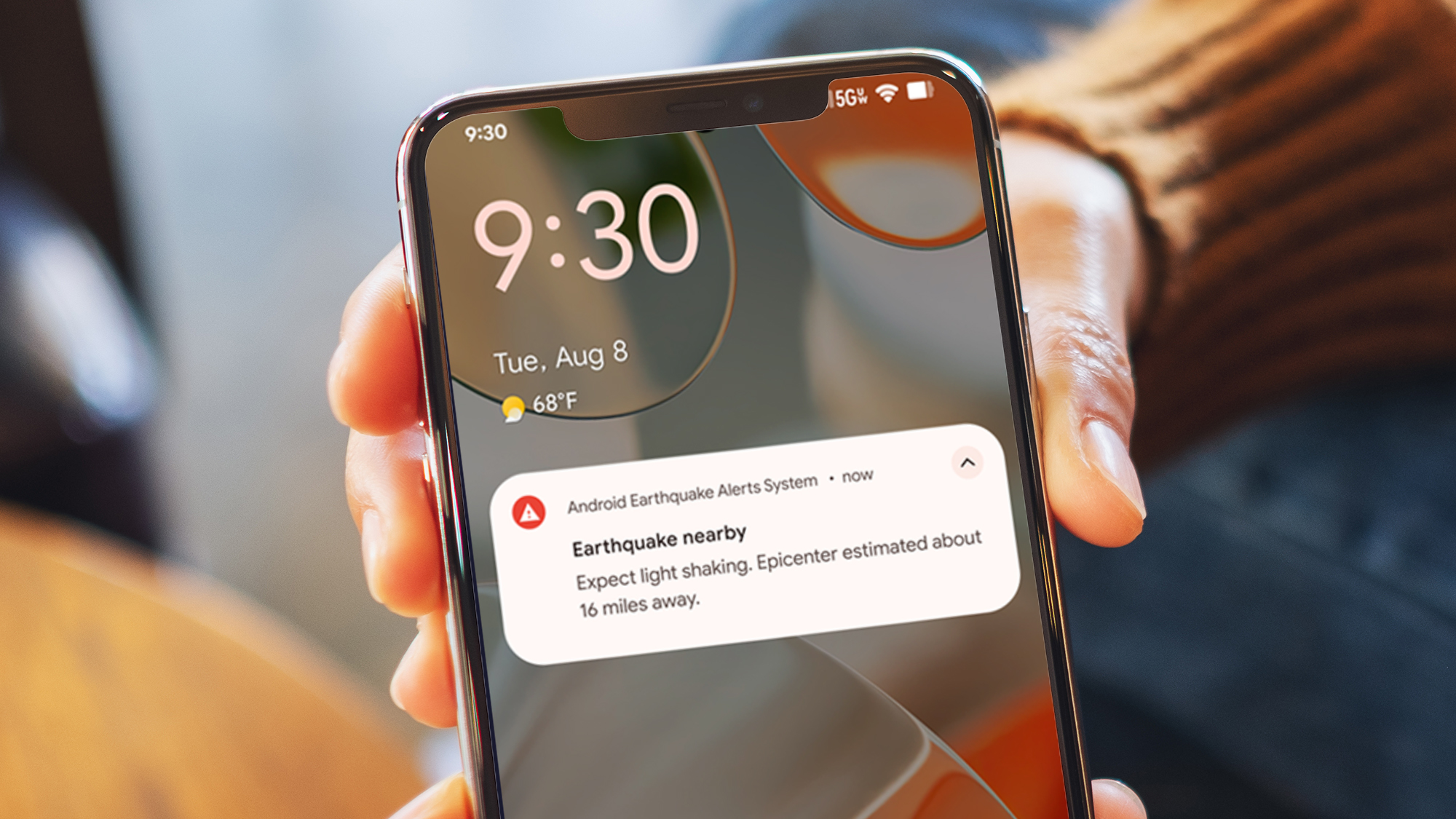
Users need alternative apps and official warning systems
Mexico City, Mexico | June 2026
Google’s earthquake alert system has become a useful tool for millions of Android users, but it does not work in the same way on iPhone because it depends on infrastructure built directly into Google Play Services and the Android ecosystem. The system uses data from Android phones that can detect seismic movement through their accelerometers, creating a decentralized network capable of identifying possible earthquakes and sending alerts to nearby users. Since Apple does not allow Google to integrate that same background detection system into iOS at the operating-system level, iPhone users cannot receive Google’s native earthquake alerts in the same way. This difference shows how safety technology often depends not only on apps, but also on the permissions and architecture of each mobile platform.
On Android, the alert system works because millions of phones can act as small seismic sensors when they are stationary and connected to power or data networks. When several devices detect similar movement in the same area, Google’s system can estimate that an earthquake may be occurring and send warnings to people who might feel stronger shaking seconds later. The goal is not to predict earthquakes, but to provide rapid notification once seismic waves have already been detected. Those few seconds can be valuable for moving away from windows, stopping elevators, protecting the head or taking cover.
On iPhone, the situation is different because Apple controls deeper system functions more tightly and does not permit third-party services to operate with the same sensor access, background processing and emergency-notification integration used by Google on Android. This does not mean iPhones are unsafe, but it does mean users must rely on other alert channels. In countries with official seismic alert systems, iPhone users may receive warnings through government emergency alerts, specialized civil protection apps or local seismic monitoring services. The availability and reliability of those options depend heavily on the country, region and telecommunications infrastructure.
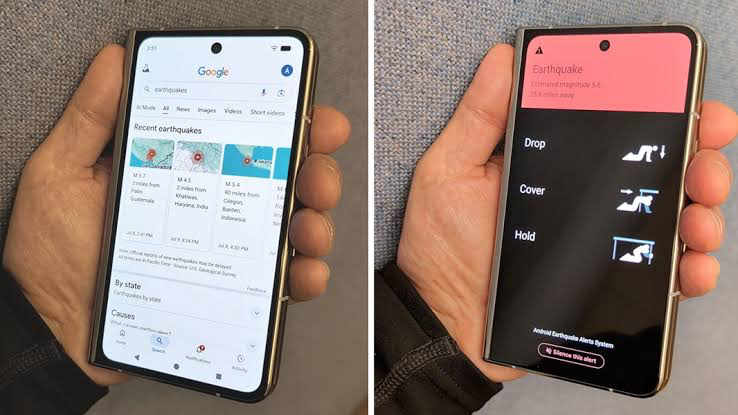
In Mexico, for example, users can rely on official civil protection sources and specialized earthquake alert applications designed for local conditions. Apps such as SkyAlert, SASSLA or other regional warning platforms may provide notifications depending on coverage, subscription model, location and device settings. Users should also activate emergency alerts on their phones, verify notification permissions and avoid depending on only one app. A good prevention strategy combines official alerts, trusted apps, family emergency plans and knowledge of what to do before, during and after shaking.
Apple devices also include emergency alert settings that can receive government-issued notifications where such systems are available. These alerts are not the same as Google’s Android-based earthquake detection network, but they can still serve as an important channel for urgent public safety information. Users should review their notification settings, location permissions and emergency alert options to make sure they are not accidentally disabled. During a disaster, the most advanced system is useless if the phone is muted, offline, without battery or blocked from receiving alerts.
The debate also reveals a broader challenge in disaster technology: no digital alert system is perfect. Earthquake alerts may arrive late, fail in areas without coverage, depend on internet connectivity or provide only a very short warning window. Users should understand that alerts are complementary tools, not substitutes for preparedness. Safe behavior, evacuation routes, emergency backpacks, family communication plans and structural safety remain essential.
For Android users, Google’s system can offer an additional layer of protection, especially in places where official seismic infrastructure is limited. For iPhone users, the best approach is to identify the most reliable local alternatives and keep multiple alert sources active. In both cases, people should avoid downloading unknown or poorly reviewed apps that promise impossible earthquake prediction. Science can detect seismic activity quickly, but it cannot predict the exact time, place and magnitude of future earthquakes with certainty.
The key lesson is practical: technology can improve response time, but preparedness must begin before the phone rings. Whether using Android or iPhone, users should know their local risk, install trusted alert tools, keep their devices updated and practice basic safety actions. Google’s earthquake alerts may not function natively on iPhone, but that does not leave users without options. The safest strategy is to combine reliable apps, official alerts and personal preparedness so that every second counts when the ground begins to move.
Phoenix24 News | Information with responsibility.