

 Phoenix 24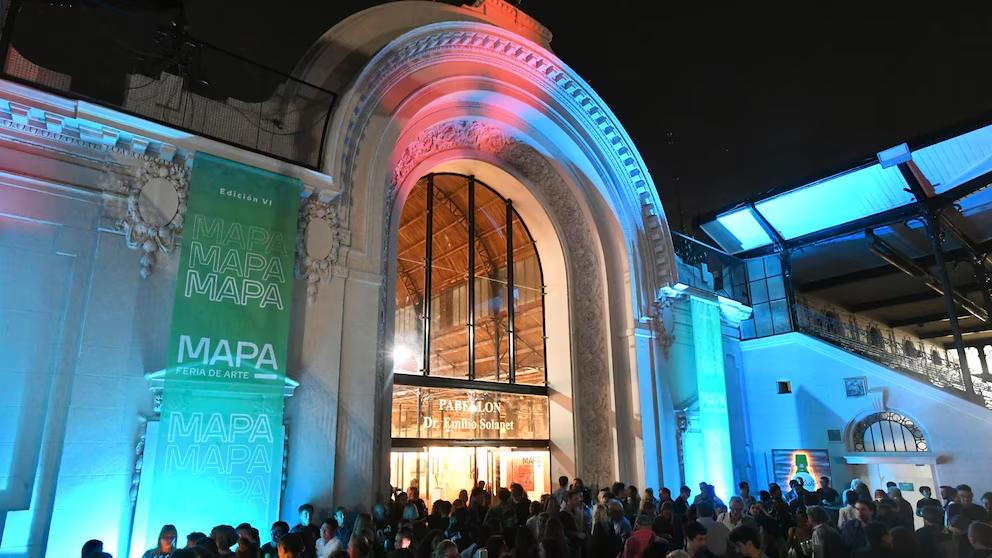
Two simultaneous fairs expand Argentina’s cultural map beyond traditional centers.
Buenos Aires, June 2026
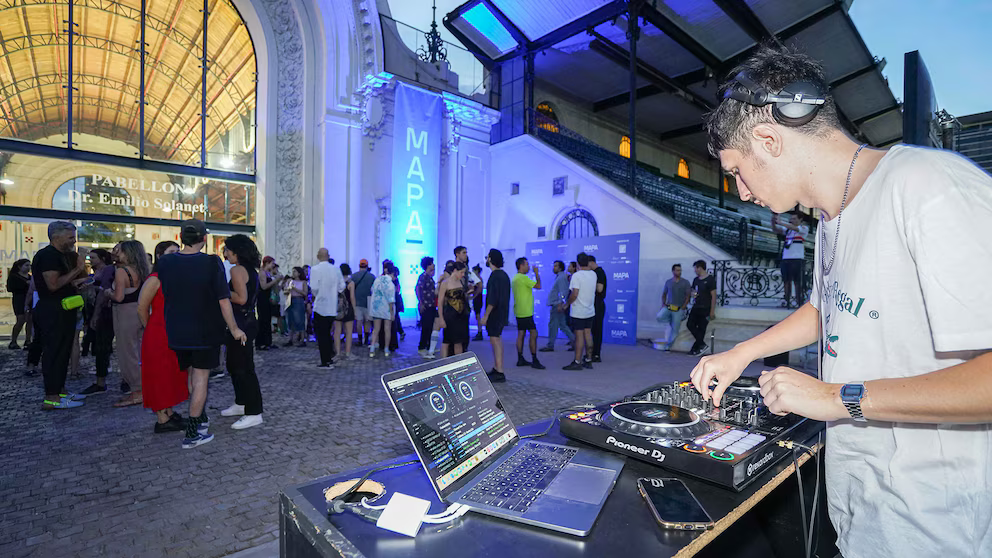
More than 600 artists are participating in two contemporary art fairs held simultaneously across Argentina from June 25 to 28. The eighth edition of MAPA brings together more than 400 artists, 40 galleries and 45 design studios at La Rural, while the inaugural ARTUC fair gathers over 200 artists and more than 30 galleries in Tucumán. Although the events operate independently and in different regions, both seek to strengthen circulation, professionalization and commercial opportunities within Argentina’s contemporary art ecosystem.
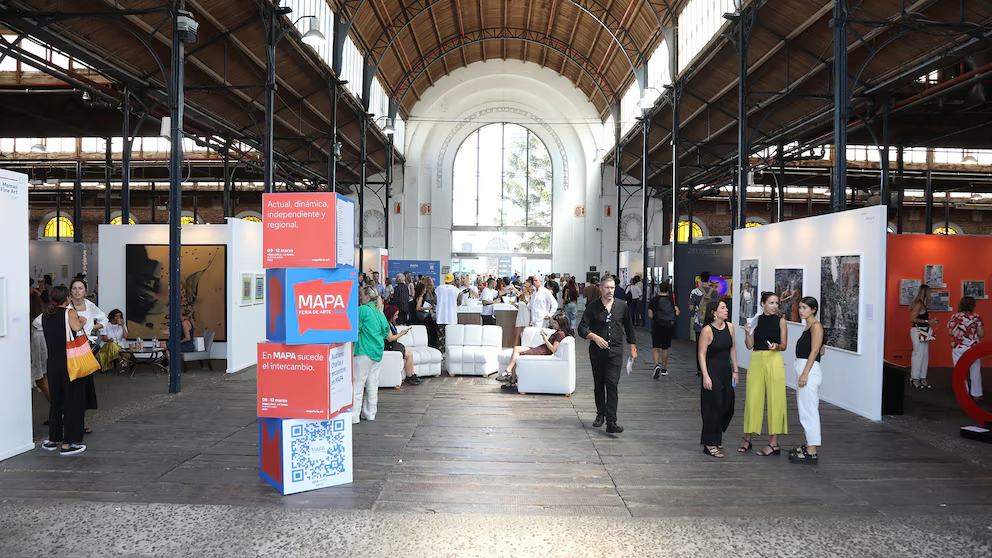
MAPA returns to Pavilion 8 of La Rural with an expanded structure combining galleries, curatorial projects, design, digital initiatives and specialist publications. The fair has become an established meeting point for artists, curators, collectors, designers and cultural managers. Its 2026 edition emphasizes connections between emerging practices and more consolidated sectors of the market. It also seeks to increase the visibility of creators working outside the country’s most traditional commercial networks.
The curatorial team is led by Clara Ríos, with Javier Villa directing the main section, Natalia Albanese overseeing the Latin American program and María Boggiano coordinating the design section. Their work is organized around several platforms, including galleries, special curatorial projects, digital art, collectible design and an editorial store. The structure reflects an increasingly fluid contemporary market in which artistic production, architecture, design and publishing frequently intersect.
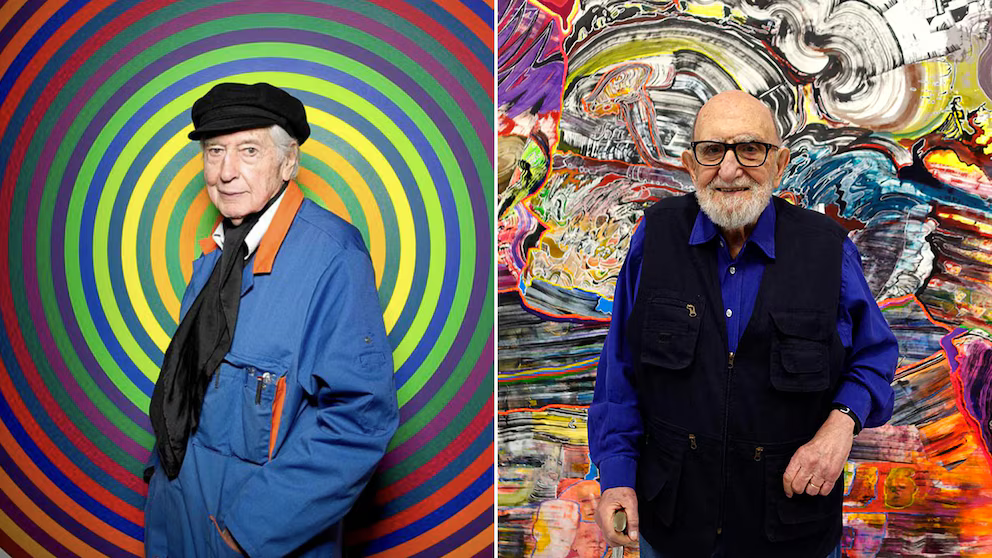
One of MAPA’s central projects involves Venezuelan kinetic artist Juvenal Ravelo, who will create a mural in tribute to Julio Le Parc. The work will be completed live with public participation and the collaboration of design students from Torcuato Di Tella University. The project combines homage, education and collective production. It also reinforces the historical influence of Latin American kinetic art on current visual experimentation.
Another tribute focuses on Luis Felipe “Yuyo” Noé, one of Argentina’s most influential modern and contemporary artists. The exhibition presents graphic works and experimental silkscreen editions designed to broaden access to his visual language. Rather than treating Noé exclusively as a canonical figure, the program examines how his ideas about chaos, politics and visual fragmentation continue to circulate through contemporary techniques. The initiative is supported by the foundation responsible for preserving and promoting his legacy.
Design occupies a larger position at MAPA for the first time. Independent studios, architects and creative collectives are presenting limited editions, unique objects and sculptural furniture. The section responds to a market in which the distinction between functional object and artwork has become increasingly permeable. Pieces can be evaluated simultaneously for their practical purpose, formal innovation and collectible value.
Among the participating projects are Trazo Cero, Acopio and Estudio Cabeza, together with a presentation dedicated to designer Ricardo Blanco. His 1974 Skel chair illustrates how industrial design can acquire historical and artistic significance beyond its original function. The inclusion of such works allows the fair to connect contemporary production with established traditions of Argentine design. It also creates new entry points for audiences who may not identify primarily as art collectors.
MAPA’s international exchange program has invited MADE, the São Paulo-based art and design market. A Brazilian delegation of 18 designers will present work and develop professional relationships with Argentine participants. Curators will also select Argentine designers for participation in the Brazilian event. This reciprocal model seeks to create sustainable regional networks rather than limit internationalization to occasional foreign appearances.
The fair’s federal profile includes galleries and initiatives from Córdoba, Santa Fe, Salta and Rosario, among other locations. Latin American projects add another layer of geographic diversity. Conversations, multidisciplinary activities and professional encounters are intended to connect scenes that frequently operate with limited contact. An acquisition program developed with the Museum of Modern Art provides an additional institutional pathway for selected works.
While MAPA consolidates an established platform in the capital, ARTUC begins with a different but complementary objective. Its first edition aims to place contemporary art from northwestern Argentina more prominently within the national cultural landscape. The event is held at the Sociedad Rural de Tucumán and combines exhibitions with studio visits, historical tours, workshops, discussions and gastronomic activities. Organizers describe it as a platform for visibility, connection and professional development.
ARTUC is directed by Fredesvinda Denis and Juan Grande, who argue that the region already possesses artists, history and distinctive creative voices. The missing element, in their view, was a structured meeting place capable of connecting that production with galleries, collectors and curators from other provinces. The fair therefore seeks to strengthen infrastructure rather than simply assemble temporary exhibitions. Its success will depend on whether those relationships continue after the four-day program ends.
More than 30 galleries and approximately 200 artists are participating in the inaugural edition. The selection includes spaces from Tucumán, Salta, Jujuy, Buenos Aires, Rosario and other parts of the country. A jury composed of Ana Won, Joaquín Barrera, Pablo Mazza and Marcel Di Capua evaluated the participating galleries. Emerging projects also receive dedicated space, creating a pathway for younger organizations that may not yet have access to major national fairs.
ARTUC pays tribute to Sandro Pereira and Carlota Beltrame, two artists considered foundational within Tucumán’s contemporary scene. Dedicated stands examine their contributions and position local history as a central component of the fair’s identity. The program also includes the presentation of Diana Aisenberg’s latest book, along with discussions on cultural management, collecting and gallery development. These activities recognize that a sustainable art scene requires knowledge, institutions and professional practices in addition to individual talent.
Events outside the main venue extend ARTUC into different parts of the city. Studio visits and satellite exhibitions allow invited collectors and cultural professionals to encounter artists within their working environments. This decentralized model can produce a deeper understanding of the regional scene than a conventional booth-based format alone. It also distributes cultural activity across galleries, workshops and independent spaces.
Together, MAPA and ARTUC reveal two different stages in the development of Argentina’s art market. One is expanding an established fair through design, digital tools and international exchange. The other is creating a new regional platform intended to correct geographic concentration. Their simultaneous celebration demonstrates that contemporary production is not confined to a single city, institution or commercial circuit.
The presence of more than 600 artists over four days offers visibility, but the longer-term challenge involves building durable systems of support. Sales, acquisitions, professional contacts and public engagement will determine whether participation produces lasting opportunities. Both fairs are ultimately testing how exhibitions can become infrastructure. Their shared message is that contemporary art grows when circulation reaches beyond familiar boundaries.
El arte también necesita nuevos territorios. / Art also needs new territories.