

 Phoenix 24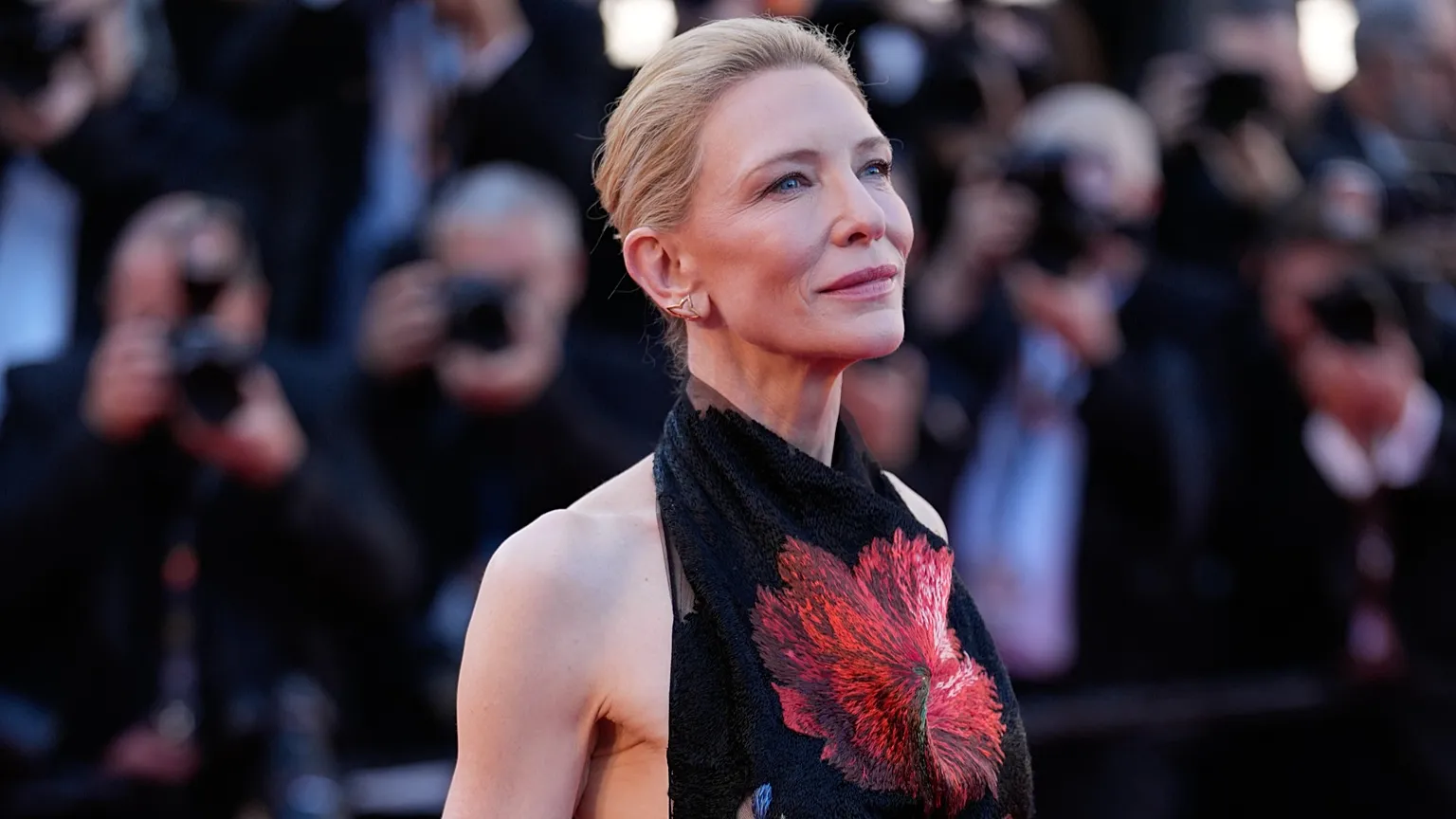
Consent becomes the new frontier of digital ownership.
Los Angeles, June 2026.
Hollywood actors, filmmakers and creative organizations are supporting a new registry designed to protect voices, faces, characters and artistic works from unauthorized use by artificial intelligence systems. The initiative, known as the Human Consent Standard, allows individuals and rights holders to declare whether AI companies may reproduce, modify or commercially exploit elements of their identity. Its supporters include George Clooney, Tom Hanks, Meryl Streep, Viola Davis, Kristen Stewart and director Steven Soderbergh. The project reflects growing concern that generative technologies can imitate performers with increasing accuracy while traditional legal protections struggle to keep pace.
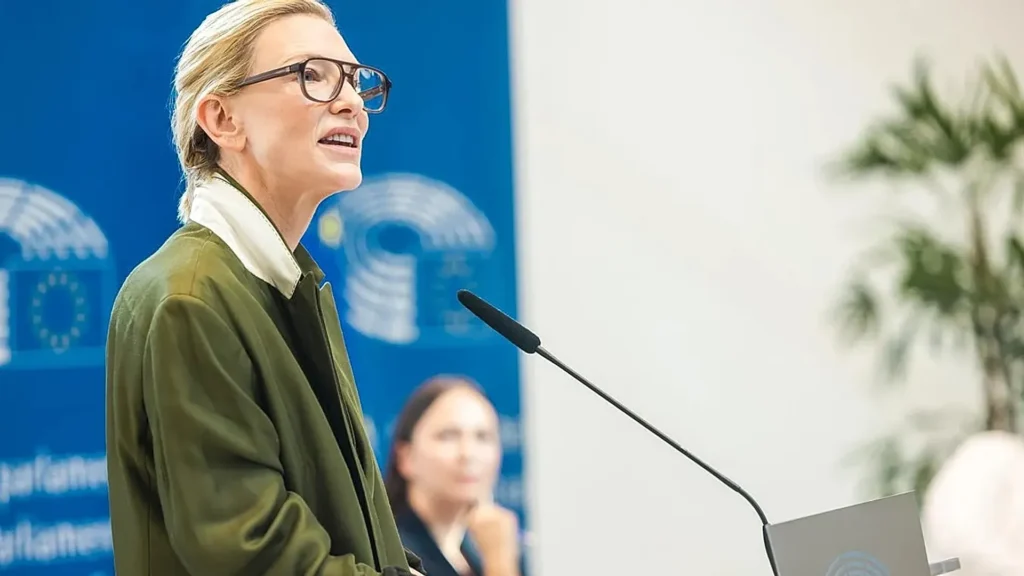
The standard was developed by RSL Media, a nonprofit organization cofounded by actress Cate Blanchett and focused on creating practical licensing mechanisms for the artificial intelligence era. It expands the principles of Really Simple Licensing, an open system originally created to help publishers communicate how automated platforms may access and reuse digital content. The new human-centered version applies those concepts to personal identity, creative expression, fictional characters and recognizable brands. Its central principle is that artificial intelligence should not assume permission merely because material is publicly available online.
Through the registry, users will be able to verify their identity and establish specific instructions governing the use of their likeness or creative work. A person may authorize unrestricted use, permit it only under certain conditions, require payment or prohibit it entirely. These preferences will be translated into standardized machine-readable signals that responsible AI systems can detect and process automatically. The objective is to replace fragmented notices and individual negotiations with a consistent declaration that can follow an identity or work wherever it appears digitally.
This portability distinguishes the Human Consent Standard from protections attached only to a particular website or file. A conventional instruction may restrict the extraction of an image from one page, yet copies of the same image could remain accessible elsewhere. The new model seeks to connect the permission directly to the underlying person, voice, character or creation rather than to a single internet address. In principle, an AI developer checking the registry would know whether the material was authorized, prohibited or subject to a licensing agreement regardless of where it was found.
The registry also addresses a problem increasingly visible across entertainment, advertising and social media. Artificial intelligence can generate synthetic performances that resemble established actors, recreate voices with limited audio samples and place public figures in scenes they never recorded. Such material may be used for parody, fraud, political manipulation, pornography or commercial promotion without the subject’s participation. Even when audiences recognize that an image is artificial, the unauthorized imitation can damage reputation and weaken the economic value of a performer’s identity.
Hollywood unions placed similar concerns at the center of their labor disputes in 2023, when actors and writers demanded contractual safeguards against the replacement or replication of human work. Performers feared that studios could scan their bodies, store the resulting data and reuse their digital replicas in future productions without meaningful consent or continuing compensation. Subsequent agreements introduced protections, but contractual rules mainly govern relationships between union members and signatory employers. A public registry could extend the concept of consent beyond individual productions and establish a broader reference point for technology companies.
Several celebrities have already pursued legal strategies to strengthen control over their identities. Matthew McConaughey has sought trademark protection for recognizable video and audio elements associated with his public persona. Taylor Swift has also moved to protect photographs and characteristic spoken phrases that could be imitated by synthetic media. These measures demonstrate the value of intellectual property law, but they can be costly, technically complex and difficult to apply across jurisdictions. The Human Consent Standard is presented as a simpler option available not only to famous performers but also to ordinary creators and private individuals.
The initiative does not automatically prevent every misuse of artificial intelligence. Its effectiveness will depend on whether developers, platforms and distributors adopt the standard and honor the declarations recorded within it. Malicious operators may ignore machine-readable restrictions, while anonymous creators can distribute synthetic material through services located beyond effective legal enforcement. The registry therefore functions primarily as a consent and licensing infrastructure rather than as an absolute technological barrier.
Its supporters argue that standardized declarations could still create important evidence in future disputes. When a verified person has clearly prohibited a specific use, an AI company may find it more difficult to claim that consent was unclear or impossible to obtain. Records could help determine whether a model developer checked permissions, acquired a license or disregarded an explicit restriction. This audit trail may become particularly significant as governments introduce rules requiring transparency about training data, synthetic media and the use of biometric characteristics.
The standard may also support legitimate collaboration between artists and artificial intelligence companies. A performer could authorize a digital replica for a specific production, language, territory or period while retaining control over all other uses. Estates could manage the likenesses of deceased artists under clearly defined conditions, and creators could receive compensation when their characters or designs contribute to commercial AI outputs. Rather than banning synthetic production, the system attempts to create a market in which permission, attribution and payment are established before exploitation occurs.
Important questions remain unresolved, including how competing ownership claims will be handled and whether national laws will recognize declarations made through a private registry. A studio, performer, photographer and character owner may hold different rights over the same image or performance. Disputes may also emerge when artistic freedom, parody and public-interest reporting conflict with a person’s demand for control. The registry cannot settle those legal tensions by itself, but it can make each participant’s position more explicit.
The broader struggle concerns whether human identity will be treated as freely extractable data or as a protected asset governed by informed consent. Hollywood stars possess the visibility and resources to bring attention to the issue, but synthetic impersonation can affect teachers, journalists, children, workers and anyone whose images or voice recordings are available online. By creating a common language for permissions, the Human Consent Standard seeks to establish that technological capability does not eliminate personal agency. In the age of generative AI, the right to say yes, no or only under agreed conditions may become one of the foundations of digital identity.
Hechos que no se doblan. / Facts that do not bend.