

 Phoenix 24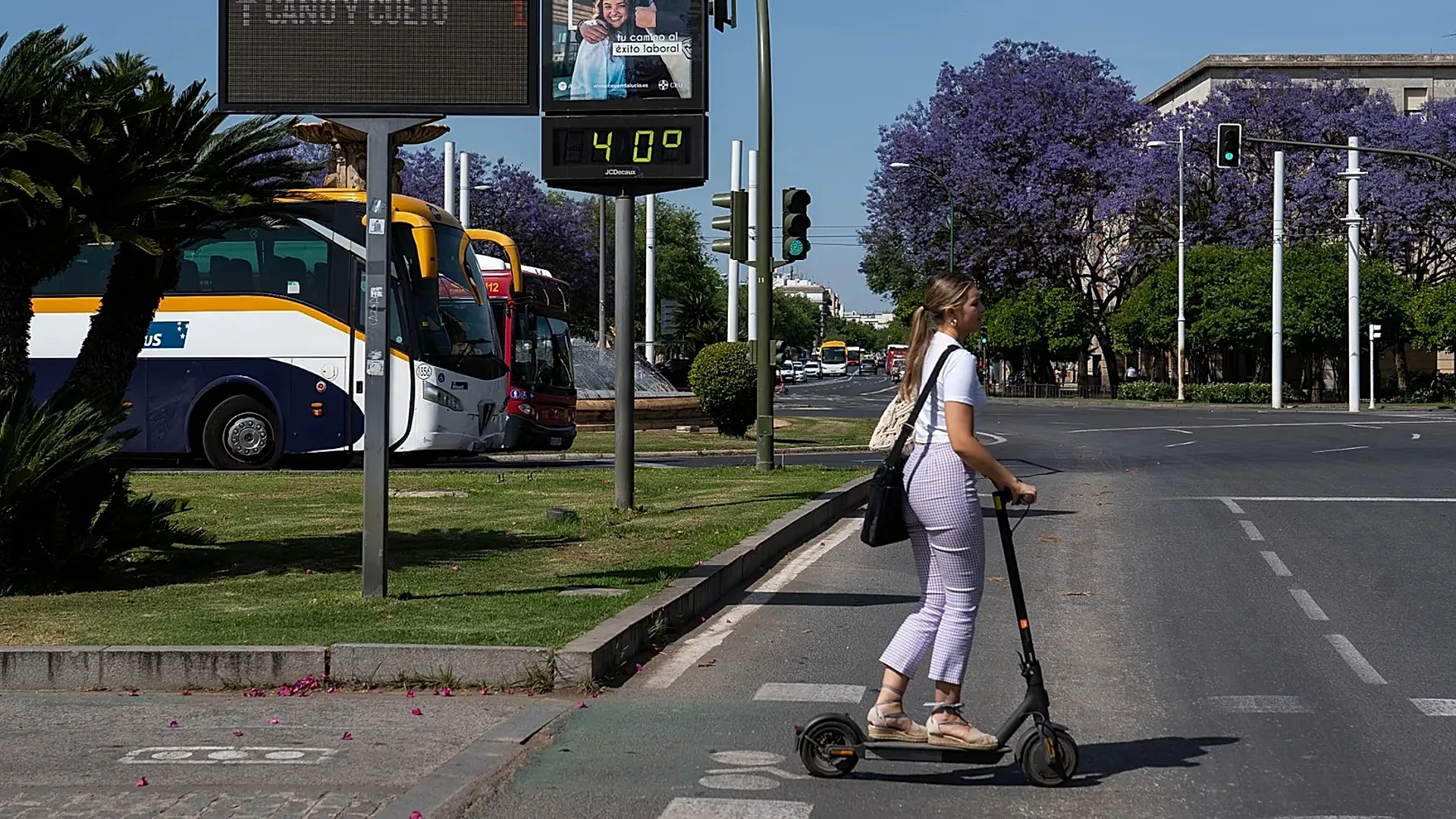
Helmets, age limits and visibility requirements reshape urban mobility.
MADRID, Spain | June 2026
Spain has approved a major reform of its road traffic regulations that introduces nationwide requirements for electric scooter users. The new framework establishes a minimum riding age of 15 and makes helmets compulsory across the country. It also creates clearer rules for lighting, reflective equipment and penalties. Most measures will take effect on October 1, 2026.
The reform applies to personal mobility vehicles, a category that includes electric scooters commonly used for short urban trips. Until now, important requirements such as helmet use and minimum age often depended on municipal regulations. This created considerable differences between cities, with riders facing one set of rules in one location and another after crossing into a neighboring jurisdiction. The government now wants a more consistent national system.
Helmet use is the most visible change. Riders will be required to wear approved protective headgear whenever they use an electric scooter on public roads. Authorities argue that the measure responds to the vulnerability of users who have little physical protection during collisions. Even relatively low-speed falls can produce serious head injuries when riders strike the pavement, a curb or another vehicle.
Setting the minimum age at 15 is another significant step. Younger children will no longer be legally permitted to operate electric scooters in public traffic areas covered by the regulation. The decision reflects concerns that children may lack the judgment, balance and ability to evaluate vehicle speed required in busy urban environments. Families will need to distinguish between recreational use in private spaces and legal circulation on public roads.
Scooters must also use their lights at night and whenever visibility is reduced. Riders will be required to wear reflective clothing or use another visible reflective element during nighttime journeys. These requirements are intended to make small vehicles easier for drivers, cyclists and pedestrians to detect. Electric scooters have a narrow profile and can become difficult to see in poor weather or dark streets.
Violations involving helmets, lighting or reflective equipment may result in fines of up to €200. The sanction is intended to move the new requirements beyond simple recommendations. Police and municipal enforcement agencies will be responsible for applying the rules. Local authorities may continue regulating issues within their powers, but they will no longer be able to reduce the basic protections established nationally.
Most of the reform will enter into force on October 1, 2026. However, the lighting and reflective-equipment obligations for electric scooters will not become enforceable until October 1, 2027. The additional year is intended to give riders, manufacturers and retailers time to adapt. It may also allow authorities to clarify which products meet the required standards.
The new rules form part of a wider effort to protect vulnerable road users. The government uses this category to include pedestrians, cyclists, motorcyclists and electric scooter riders because they face greater injury risks than people inside cars. The revised regulation updates a framework originally created before current forms of urban mobility became common. Electric scooters have grown rapidly in popularity during the last decade, often faster than regulation could respond.
Their expansion has created practical benefits and new conflicts. Scooters offer an affordable alternative for short journeys and can reduce dependence on cars in congested areas. They are also easy to combine with public transportation and require little storage space. At the same time, unsafe riding, sidewalk use and poorly parked rental vehicles have generated complaints in many Spanish cities.
The national reform does not eliminate the role of municipalities. Local governments may still regulate parking, restricted areas, speed management and routes according to local conditions. Cities with dense pedestrian zones may maintain stricter operating rules than smaller communities. The difference is that essential protections such as helmets and minimum age will no longer depend entirely on the municipality.
Spain has already introduced technical certification requirements for new personal mobility vehicles sold from 2024 onward. Certified scooters must meet standards involving braking, lighting, maximum dimensions and identification. Older non-certified models may continue circulating only during a transitional period. The latest reform adds behavioral obligations for the person riding the vehicle.
The combination of product certification and rider rules marks a shift toward treating electric scooters as a permanent part of the transportation system. They are no longer viewed merely as recreational devices or temporary urban trends. Regulators increasingly consider them vehicles that must meet technical and safety expectations. Their users also face responsibilities similar to those applied to other road participants.
The reform includes additional changes affecting cyclists and motorcyclists. Motorcycle riders will be required to use protective gloves and closed footwear under specified conditions. Drivers overtaking cyclists on roads with more than one lane in each direction will generally be expected to change lanes completely when traffic and safety permit. The package also strengthens lateral-distance and speed-reduction requirements around vulnerable users.
New procedures will address emergencies, traffic congestion and snow events. Authorities plan to formalize the creation of corridors that allow ambulances, police and other emergency vehicles to pass through blocked roads. These measures show that the regulation is broader than electric scooters alone. Its purpose is to update road behavior after two decades of technological and mobility changes.
Public education will be essential during the transition. Riders must understand not only the existence of the rules but also when each requirement becomes enforceable. Retailers and rental companies may need to inform customers about age limits, helmet use and visibility equipment. Schools and families will also have a role in explaining why electric scooters require greater responsibility than ordinary children’s toys.
Enforcement could remain challenging. Police cannot monitor every trip, and riders may remove helmets or reflective items once they move away from busy areas. Compliance will depend partly on whether the public accepts the rules as reasonable rather than merely punitive. Visible campaigns and consistent enforcement may help establish new habits before fines become common.
The reform may also affect the scooter market. Demand could rise for certified helmets, integrated lighting and reflective accessories designed specifically for urban riders. Manufacturers may emphasize visibility and safety features in future models. Rental operators could face pressure to provide helmets or develop systems ensuring that users meet legal requirements.
Spain’s stricter approach reflects a broader European trend. Cities and national governments are reassessing electric scooters after increases in accidents, pedestrian conflicts and emergency-room injuries. Some jurisdictions have imposed insurance, registration or complete rental bans. Spain has chosen regulation rather than prohibition, preserving the mobility benefits while increasing user obligations.
The success of the new framework will depend on whether it reduces injuries without discouraging responsible urban transportation. Electric scooters can remain useful when riders understand that convenience does not remove risk. A national age limit, compulsory helmets and better visibility provide clearer expectations for everyone sharing the road. The reform recognizes that modern mobility requires rules capable of evolving with the vehicles people actually use.
Mobility becomes sustainable when convenience is matched by responsibility. / La movilidad se vuelve sostenible cuando la comodidad se acompaña de responsabilidad.