

 Phoenix 24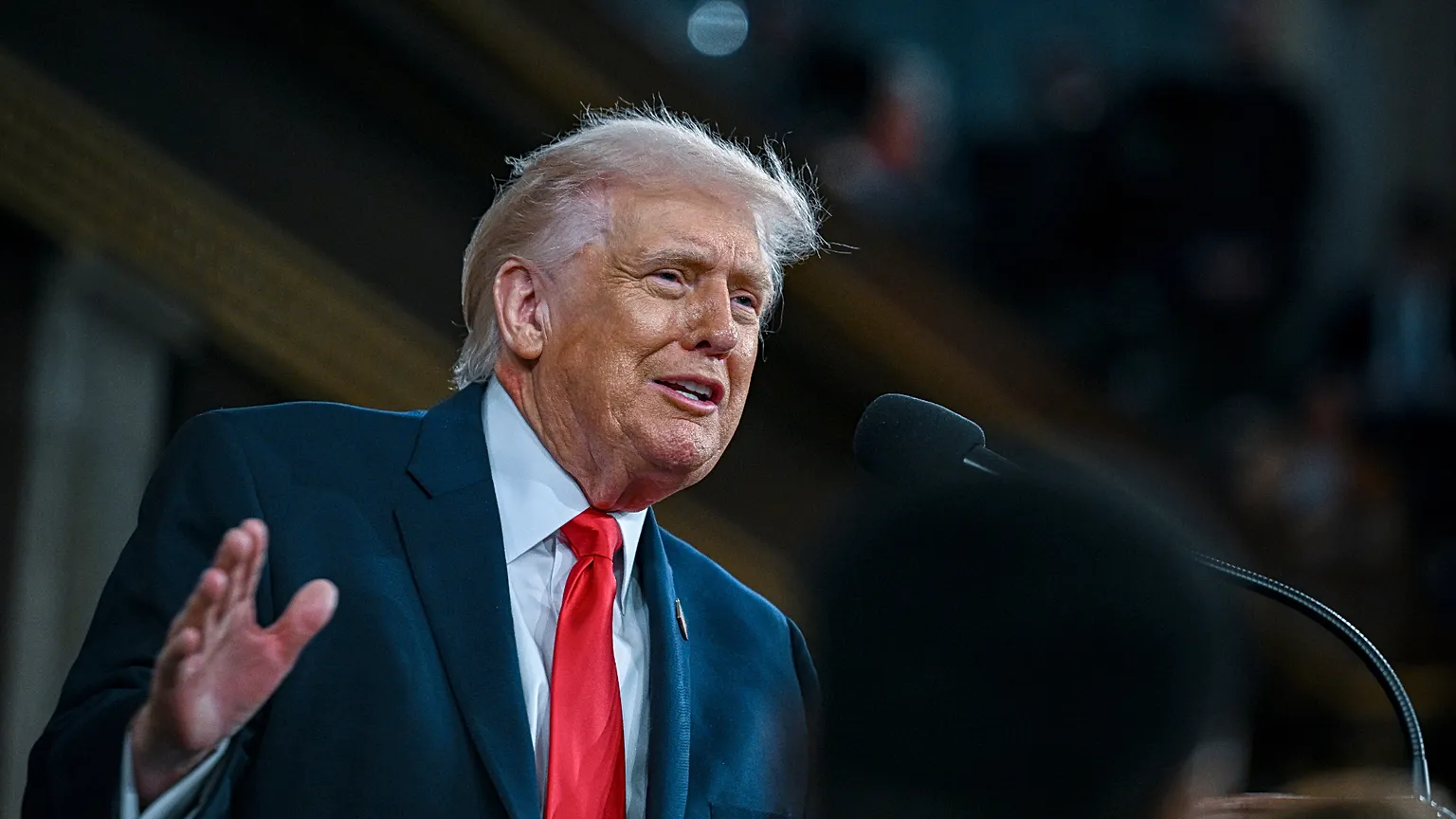
Nuclear diplomacy now depends on a fragile Lebanese ceasefire.
BÜRGENSTOCK, Switzerland | June 2026
Delegations from the United States and Iran have resumed negotiations in Switzerland as growing violence in Lebanon and renewed disputes over the Strait of Hormuz threaten a provisional regional peace arrangement. The talks began at the Bürgenstock resort with representatives from Qatar and Pakistan participating as mediators. Washington and Tehran are attempting to translate an initial memorandum into enforceable commitments covering nuclear policy and the Lebanese ceasefire. The process is unfolding under the possibility that military operations could restart if either side concludes that the agreement has failed.
United States Vice President JD Vance traveled to Switzerland to participate in the technical negotiations after postponing his arrival because of the latest escalation between Israel and Hezbollah. Before departing, Vance said the discussions would concentrate on Iran’s nuclear program and the ceasefire in Lebanon. His office later indicated that substantial progress had already been achieved. The talks nevertheless began under circumstances far more unstable than negotiators had originally expected.
President Donald Trump increased the pressure by warning Iran that American forces could resume attacks if Tehran failed to restrain Hezbollah. He demanded that Iran prevent its Lebanese allies from creating further instability and presented compliance as a condition for preserving the diplomatic process. The statement connected Iran’s responsibility for regional armed groups directly with the future of the bilateral agreement. Tehran rejects the idea that Washington can demand restraint from Iran while failing to control Israeli military actions.
That disagreement has become the central weakness of the emerging settlement. The United States appears to view the nuclear negotiations and the Lebanese ceasefire as distinct issues that can be managed within the same diplomatic framework. Iran considers them inseparable parts of a broader regional arrangement. Any renewed Israeli attack on Hezbollah is therefore interpreted by Tehran as a failure of American guarantees, even when Washington says it did not authorize the operation.
Israel and Hezbollah announced a new ceasefire on Friday, but violence resumed within hours. The Israeli military launched strikes in southern Lebanon after reporting that Hezbollah had fired more than 50 rockets toward Israeli positions. Israel said its aircraft targeted rocket-launching sites, weapons depots and command centers. Lebanese civil-defense authorities reported that attacks in Nabatieh killed at least 16 people and injured 12 others.
The exchange demonstrated how quickly local military actions can destabilize negotiations involving several governments. Hezbollah is supported by Iran but retains its own command structure and political objectives inside Lebanon. Israel coordinates closely with the United States but reserves the right to act whenever it identifies a security threat. Washington and Tehran are therefore negotiating commitments whose success depends partly on actors they influence but do not completely control.
Iran responded to the Israeli strikes by announcing another closure of the Strait of Hormuz. Its armed forces accused the United States of bad faith and of violating the first clause of the memorandum intended to end military operations. Tehran argued that Washington had failed to prevent repeated Israeli breaches of the Lebanese ceasefire. The maritime decision was presented as a direct response to that alleged failure.
The United States disputes Iran’s description of the waterway. Central Command reported that commercial transit continued and said 55 merchant vessels crossed the strait during the day, carrying large quantities of cargo and more than 17 million barrels of oil. The competing claims reveal that a formal declaration of closure and the actual movement of ships can produce different realities. Iran can increase risk and insurance costs even when some vessels continue sailing.
Hormuz gives Tehran significant leverage because it remains one of the world’s most important energy corridors. Oil and liquefied natural gas from several Gulf producers pass through the narrow maritime route before reaching international markets. A prolonged disruption could raise transportation costs, increase crude prices and place additional pressure on global inflation. The threat therefore extends the negotiations beyond military security into the stability of the international economy.
Switzerland has reinforced security around the meeting because of the diplomatic importance and regional sensitivity of the negotiations. The Swiss government authorized the deployment of up to 2,000 military personnel to support civilian authorities and approved temporary restrictions in the airspace surrounding Bürgenstock. Qatar is helping facilitate direct communication, while Pakistan has played a central role in mediating between the two sides. Their presence provides channels through which proposals can continue moving even when official rhetoric becomes confrontational.
The nuclear issue remains the most technically complex part of the talks. Washington wants limitations that prevent Iran from moving toward a nuclear weapon and mechanisms capable of verifying compliance. Tehran seeks sanctions relief, recognition of its right to a civilian nuclear program and guarantees that the United States will respect any new arrangement. Previous agreements collapsed when political leadership changed or enforcement became contested, leaving both sides deeply suspicious of promises unsupported by practical safeguards.
The current negotiations are broader because they attempt to connect nuclear restraint with military de-escalation across the region. That approach creates the possibility of a more comprehensive settlement, but it also multiplies the number of ways the process can fail. A missile launch in Lebanon, an Israeli airstrike or an incident involving a commercial vessel can rapidly undermine progress achieved at the negotiating table. Diplomacy becomes dependent on controlling events across several fronts simultaneously.
Vance’s reference to major advances suggests that both governments still see value in preserving the process. Iran has not formally abandoned the memorandum, while the United States continues participating despite Trump’s warning. The decision to meet indicates that military confrontation has not eliminated the possibility of compromise. Yet every public threat makes it harder for either side to make concessions without appearing weak before domestic audiences and regional allies.
The Bürgenstock talks are therefore testing more than the relationship between Washington and Tehran. They are examining whether a regional agreement can survive when its participants hold different definitions of compliance and responsibility. The United States wants Iran to restrain Hezbollah, while Iran wants Washington to restrain Israel. Neither government can guarantee complete obedience from its partners, but both are treating the other as accountable for their actions.
Diplomacy has resumed, but the surrounding conflict has not paused. Negotiators must address nuclear limits while preventing Lebanon and Hormuz from becoming triggers for renewed war. The talks may produce technical progress, yet their durability will depend on decisions made far beyond the conference room. In the Middle East, the agreement will be measured not by the language signed in Switzerland, but by whether weapons remain silent afterward.
Dialogue matters most when escalation remains possible. / El diálogo importa más cuando la escalada sigue siendo posible.