

 Phoenix 24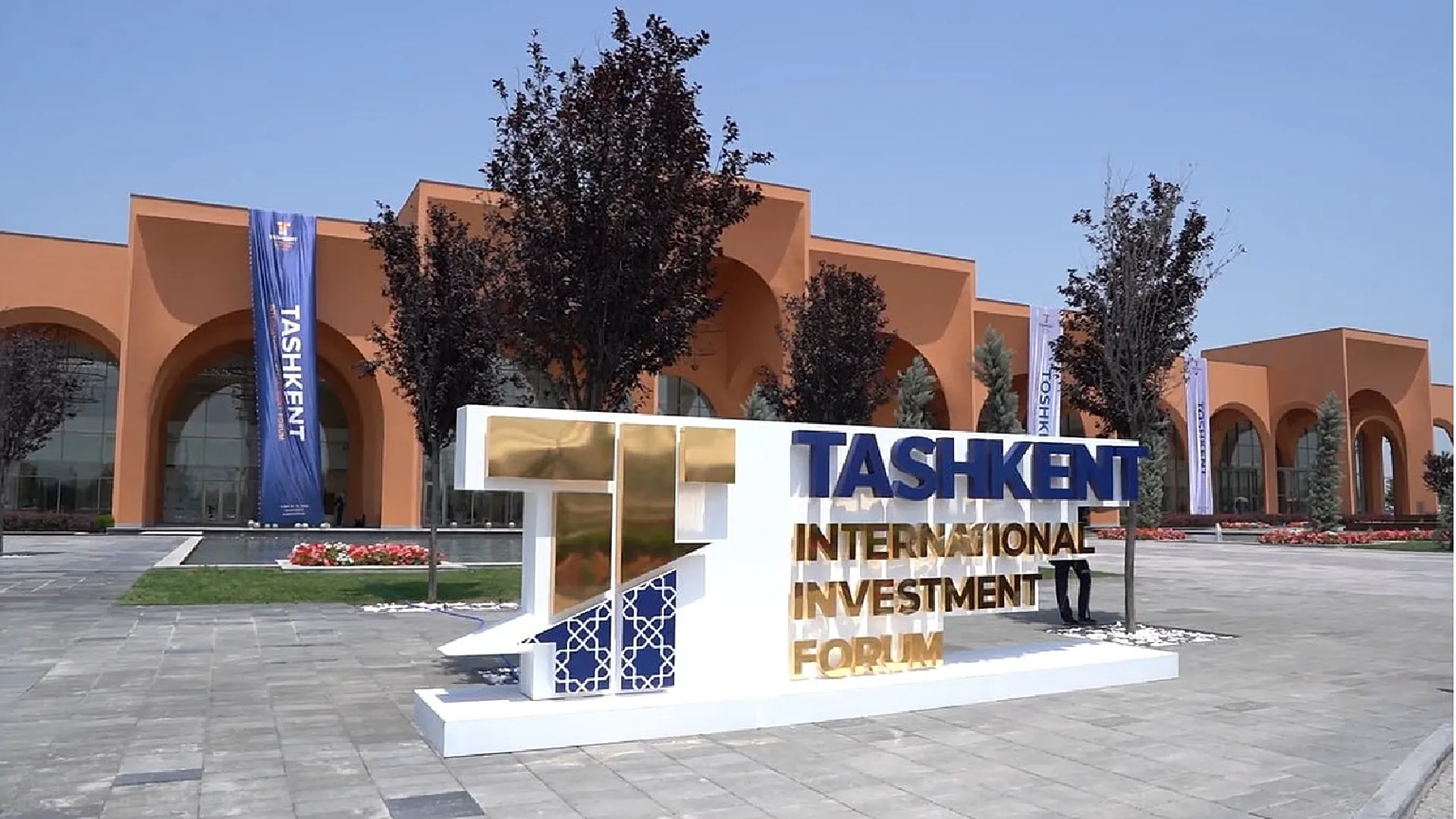
Central Asia moves from geography to strategy
Tashkent, June 2026. Uzbekistan presented investment projects worth $75 billion at the Tashkent International Investment Forum 2026, positioning the country as one of Central Asia’s most active platforms for foreign capital, infrastructure expansion and regional economic connectivity.
The forum brought together international investors, financial institutions and government representatives around sectors considered central to Uzbekistan’s development agenda: energy, transport, industry, mining, agriculture, digital infrastructure and urban modernization. The scale of the portfolio reflects an effort to transform the country from a landlocked economy into a regional investment hub.
Uzbekistan’s strategy depends on more than project volume. Its geographic position places it between major Eurasian corridors, linking Central Asia with China, the Middle East, South Asia and Europe. In that context, infrastructure investment becomes a geopolitical tool, not only an economic one. Roads, railways, logistics zones and energy networks can redefine how trade moves across the region.
The investment push also reflects a broader competition for influence in Central Asia. Russia, China, the European Union, Gulf states and Turkey are all seeking deeper economic presence in the region. For Uzbekistan, diversified investment can reduce dependency on any single partner while increasing strategic autonomy.
The challenge will be execution. Large portfolios require regulatory predictability, transparent procurement, legal protections and the capacity to convert announcements into bankable projects. Investor confidence will depend not only on political ambition, but on institutional reliability over time.
TIIF 2026 shows that Uzbekistan is no longer presenting itself only as an emerging market. It is presenting itself as a corridor state, a resource platform and a strategic node in the redesign of Eurasian connectivity.
Truth is structure, not noise.