

 Phoenix 24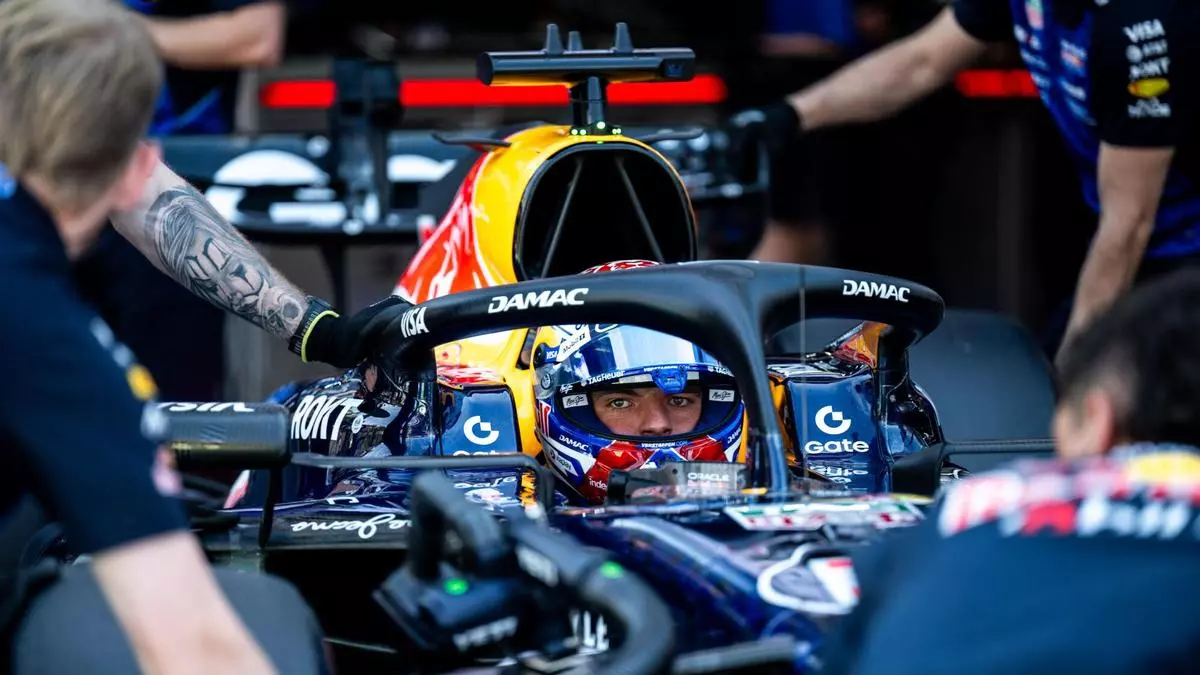
Competitive Pressure Turns Regulation Into Strategy
Milton Keynes, June 2026 — Red Bull is preparing to demand explanations after a controversial Formula 1 episode that has generated frustration inside the team and reopened debate over regulatory consistency, competitive fairness and the political weight of technical decisions in the championship.
The controversy has intensified because Red Bull views the matter not as an isolated incident, but as part of a broader pattern in which decisions by race direction, stewards or governing bodies can alter the competitive balance between teams. In modern Formula 1, interpretation is often as decisive as engineering. A penalty, a ruling, a technical clarification or a race-management decision can shape the outcome of a Grand Prix as much as pace on track.
For Red Bull, the concern is strategic. The team understands that championship campaigns are not won only through aerodynamic efficiency, tire management or driver execution. They are also won through regulatory precision. Every decision from the FIA becomes part of the competitive ecosystem, especially in a season where margins between front-running teams appear increasingly narrow.
The reaction also reflects the changing power structure of Formula 1. Red Bull dominated the sport for several years, but its rivals have gradually reduced the gap. In a tighter championship environment, any disputed decision carries greater political and sporting consequences. What might have been absorbed during a period of clear superiority now becomes a matter of institutional pressure.
Formula 1 has always lived between sport, technology and interpretation. The rulebook is extensive, but its application depends on context, precedent and judgment. That creates tension when teams believe identical situations are not treated equally. Red Bull’s decision to seek explanations is therefore not only a protest; it is a message to the governing body that consistency must be defended before controversy becomes narrative.
The issue also exposes the fragile legitimacy of elite motorsport governance. Fans increasingly scrutinize every stewarding call, onboard camera, radio message and timing screen. Teams know that public perception can amplify institutional pressure. In that environment, transparency is no longer optional. The FIA must explain not only what it decides, but why it decides it.
For Red Bull, the objective is unlikely to be limited to reversing or criticizing one decision. The deeper goal is to shape future interpretation. By formally questioning the situation, the team seeks clarity that could influence upcoming races and prevent similar disputes from recurring under championship pressure.
The episode confirms that Formula 1 is now fought on multiple fronts: factory, simulator, pit wall, media room and regulatory chamber. Speed remains central, but governance has become part of performance. In a sport defined by milliseconds, ambiguity can become a competitive weapon.
Red Bull’s indignation may pass, but the institutional question remains. Formula 1 cannot afford a perception that results are shaped by inconsistent interpretation. When teams begin to ask for explanations, the issue is no longer only about one race. It is about trust in the system that decides the race.
Truth is Structure, Not Noise. | La Verdad es Estructura, No Ruido.