

 Phoenix 24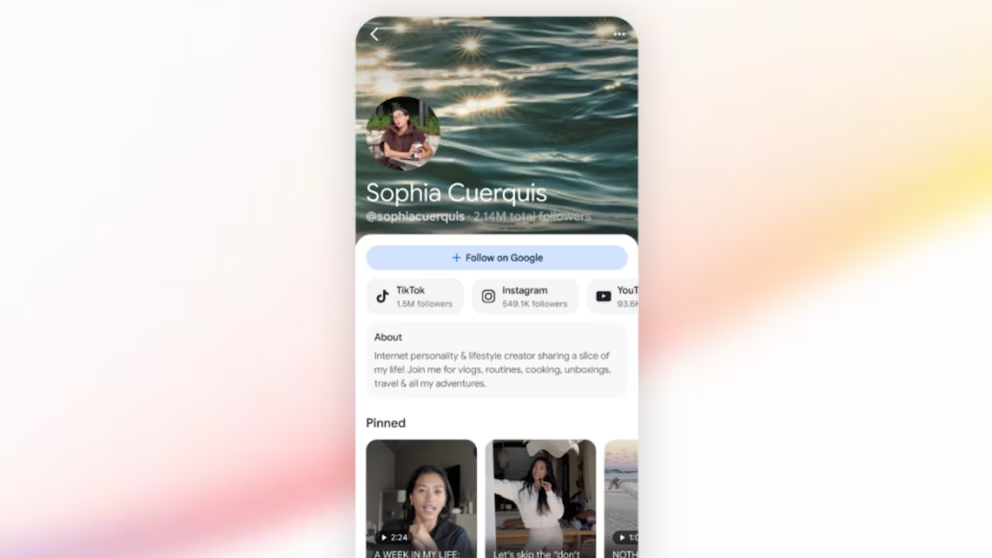
Visibility is becoming a managed asset.
Mountain View, California | June 2026. Google has introduced a new profile customization feature in Search aimed at major creators, publishers and public-facing digital figures in the United States. The tool allows eligible users to shape how they appear in search results by highlighting videos, articles, social profiles, websites and selected content in a dedicated profile environment.
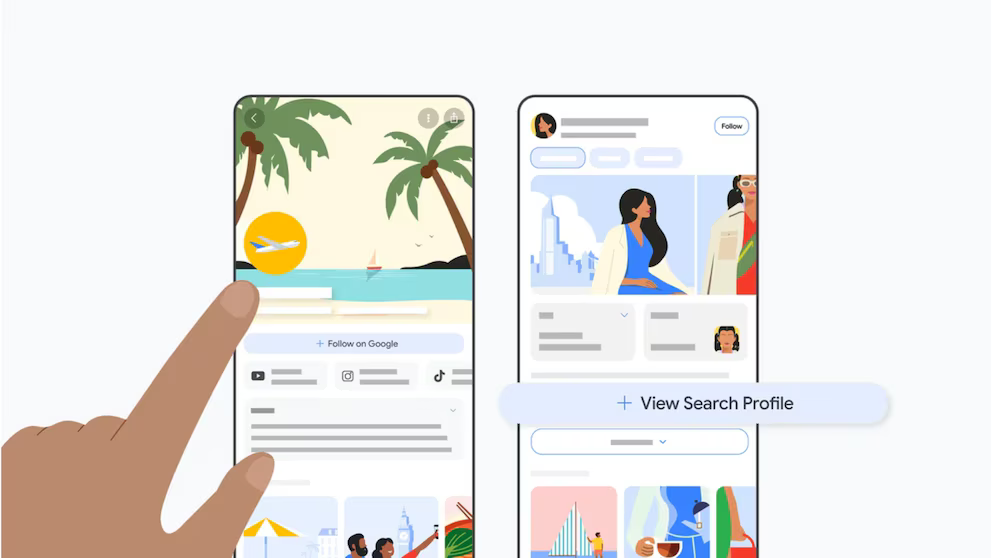
The feature is not open to everyone. Access is limited to users who are at least 18 years old and meet major audience thresholds, including 100,000 subscribers on YouTube, 100,000 followers on Instagram or X, or 300,000 followers on TikTok. In practical terms, Google is giving high-visibility creators a controlled layer of identity management inside the world’s most influential discovery engine.
The move reflects a major shift in digital reputation. For years, public figures depended on Google’s algorithmic ordering, knowledge panels and third-party coverage to define how they appeared online. Now, selected creators and publishers can intervene more directly in that presentation, turning search results into a curated front page.
For creators, the benefit is obvious. They can centralize their content, direct audiences toward official channels and reduce the noise created by impersonators, outdated links or fragmented platform identities. For Google, the feature strengthens Search as a destination at a time when social platforms, AI assistants and short-form video apps are competing for discovery traffic.
The deeper issue is power over visibility. Search is no longer merely a neutral index of the web; it is becoming an interface where reputation, monetization and digital authority can be arranged. Giving creators more control may improve accuracy, but it also raises questions about who qualifies for enhanced visibility and who remains dependent on the algorithm alone.
Google’s new profiles therefore mark more than a product update. They signal a future where online identity is increasingly tiered, managed and platform-mediated. In the digital economy, being found is no longer enough. The real advantage is controlling what people see first.
La narrativa también es poder. / Narrative is power too.