

 Phoenix 24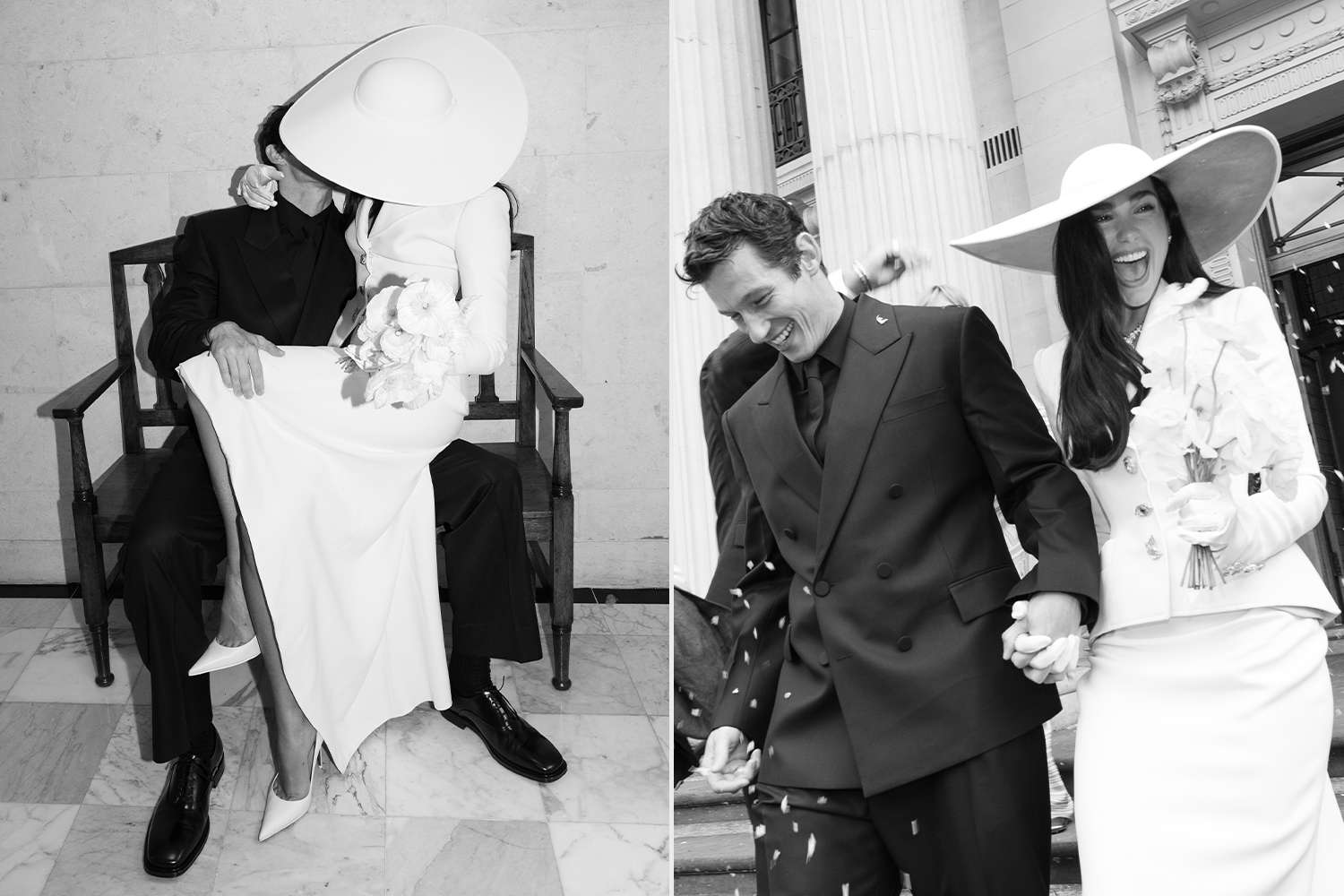
Celebrity now negotiates with public space.
Sicily, June 2026
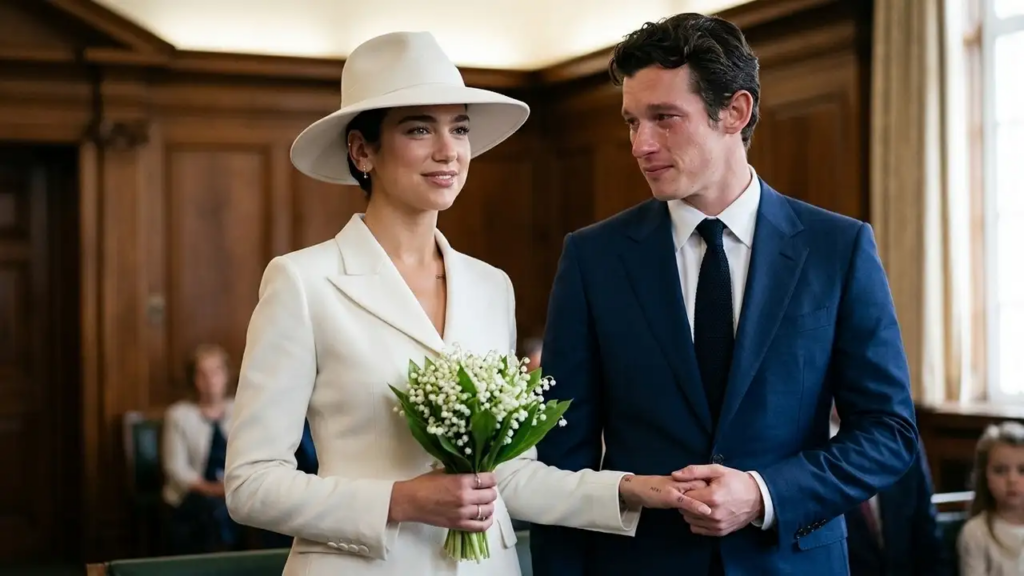
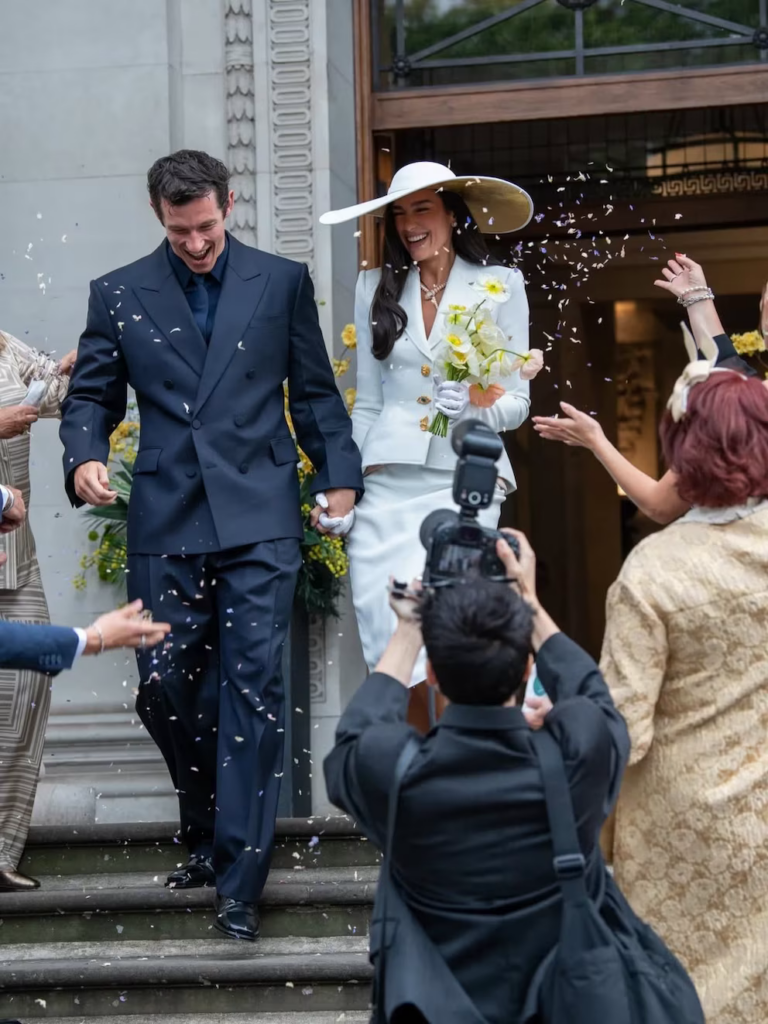
Dua Lipa’s wedding celebrations with British actor Callum Turner have turned parts of historic Italy into a private stage, after public squares and heritage areas were reportedly closed to host events connected to the ceremony. What might appear as a glamorous celebrity wedding has become a revealing case of how fame, money and cultural prestige can temporarily reorganize access to symbolic urban space.
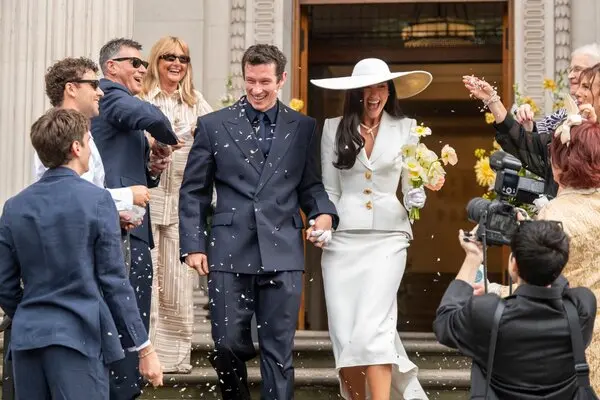
The choice of Italy is not accidental. Historic plazas, palaces and coastal towns have become global luxury backdrops for elite weddings, fashion events and entertainment spectacles. They offer more than beauty; they provide legitimacy, memory and cinematic value. In that economy, heritage is no longer only preserved. It is packaged, rented and transformed into visual capital.
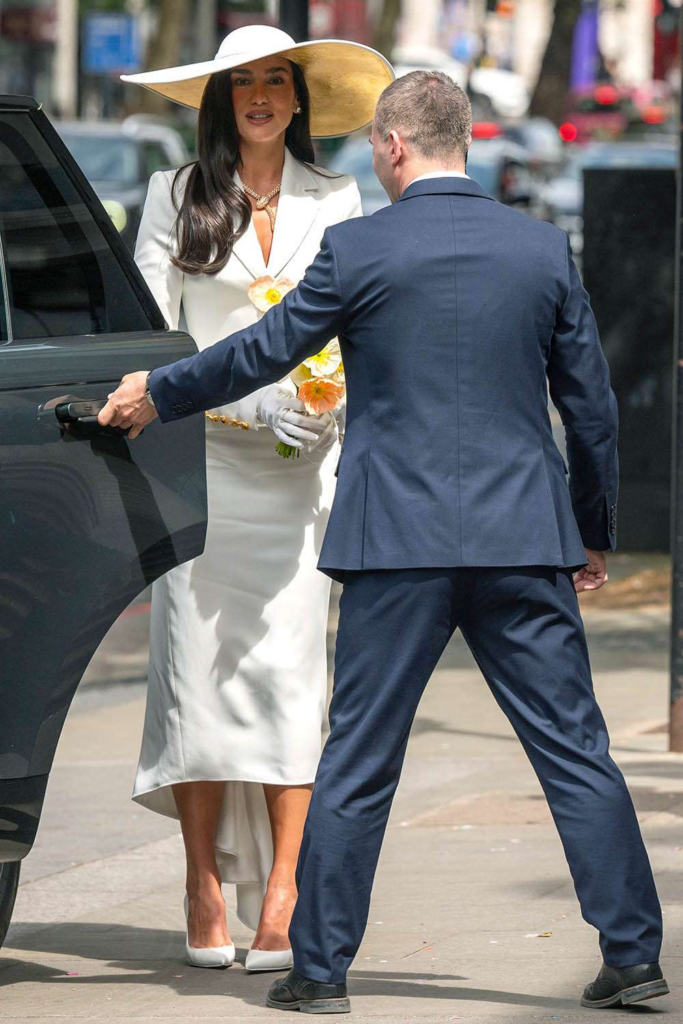
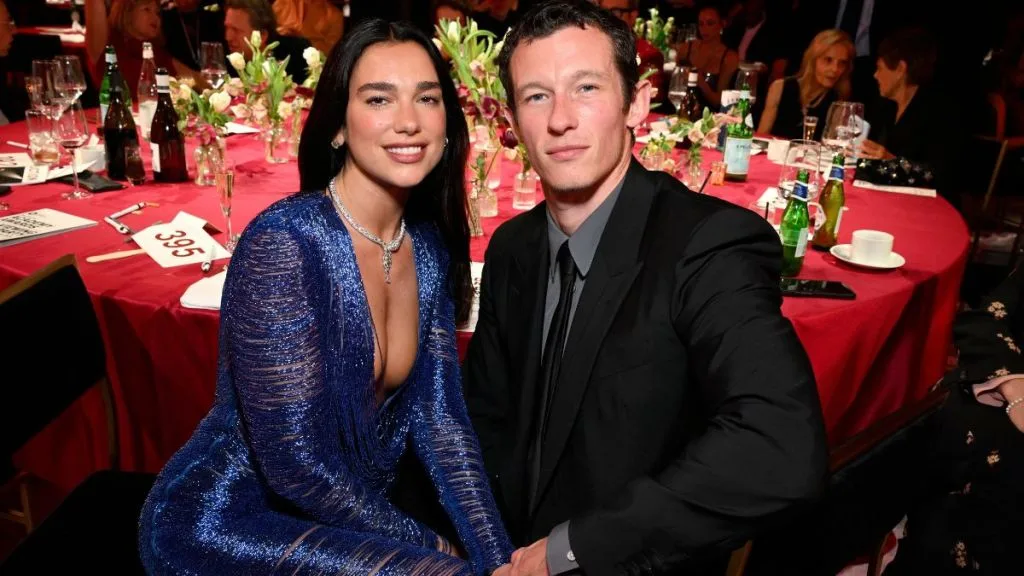
For fans, the event reinforces Dua Lipa’s image as a global pop figure whose private life now operates at the scale of international spectacle. Her marriage to Turner merges music, cinema, fashion and luxury tourism into a single media event. The wedding is not merely personal; it becomes content, narrative and brand architecture.
The controversy lies in the temporary closure of spaces that normally belong to the public. When plazas and streets are restricted for private celebrations, the boundary between cultural promotion and civic exclusion becomes fragile. Local authorities may defend such events as economically beneficial, but residents often experience them as interruptions imposed by wealth and celebrity privilege.
Italy has long balanced preservation with spectacle. Its cities depend on tourism, cultural visibility and high-profile events, yet that same visibility can turn historic centers into curated sets for outsiders. The risk is that public heritage becomes increasingly available to those who can pay to control it, while ordinary citizens are left negotiating barriers around their own urban memory.
Dua Lipa’s celebration is therefore larger than gossip. It reflects a broader transformation in which celebrity culture absorbs architecture, tourism and civic space into its visual economy. The wedding becomes a mirror of a world where private emotion can command public infrastructure when enough symbolic and financial power is attached to it.
The deeper question is not whether celebrities should celebrate lavishly. It is whether historic spaces can remain genuinely public when global fame can temporarily convert them into exclusive stages. Italy’s beauty continues to attract the world, but each private closure asks who that beauty is ultimately for.
La narrativa también es poder. / Narrative is power too.