

 Phoenix 24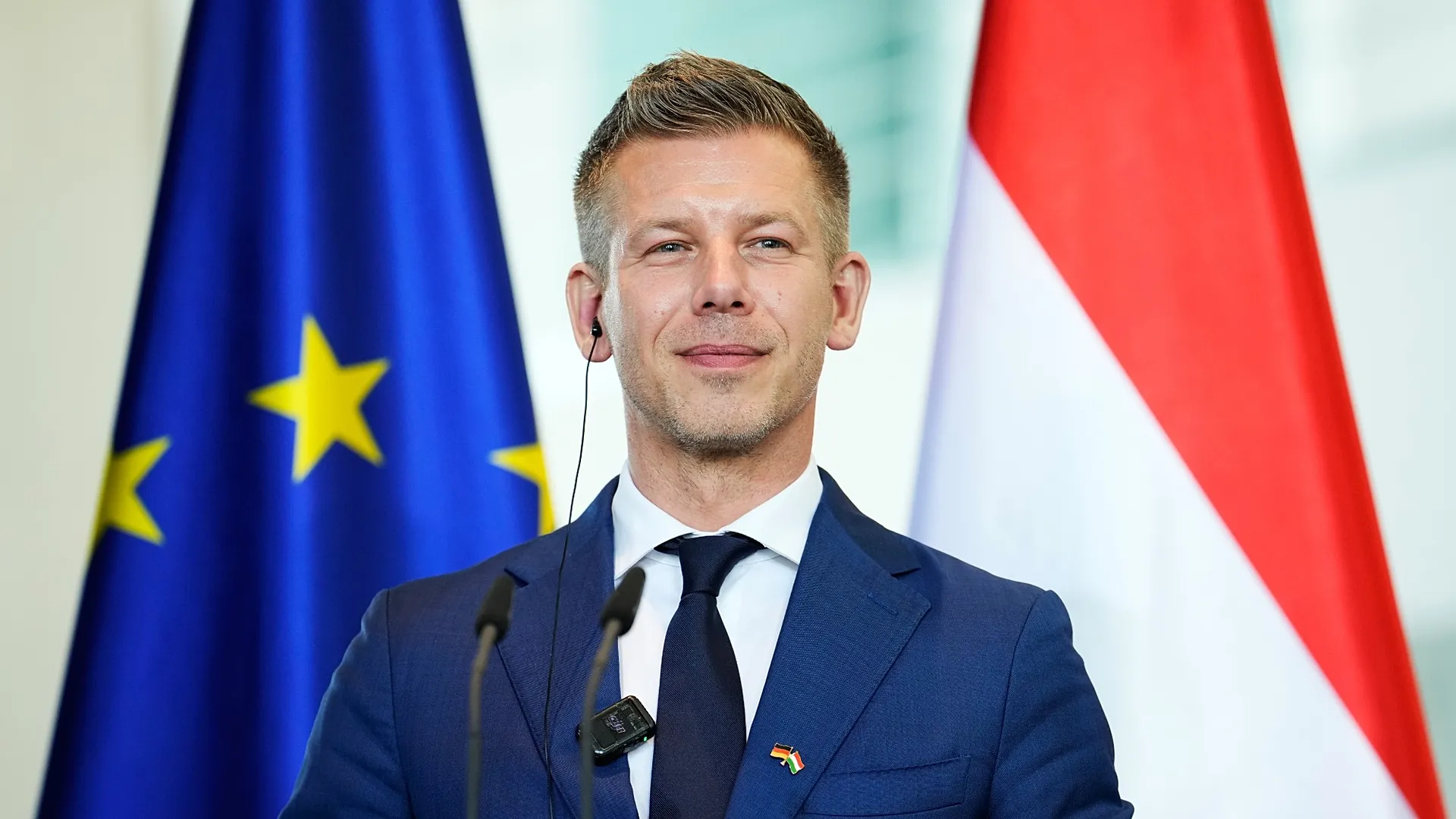
A minority dispute may reshape the continent.
Brussels, June 2026. Hungarian Prime Minister Péter Magyar has indicated that Budapest and Kyiv are nearing an agreement regarding the rights of the Hungarian minority living in Ukraine’s Transcarpathia region. If finalized, the deal could remove one of the principal political obstacles that has slowed Ukraine’s path toward European Union membership and mark a significant turning point in relations between the two neighboring countries.
For years, disagreements over language rights, education policies and cultural protections for ethnic Hungarians in western Ukraine provided successive Hungarian governments with justification to delay or block key stages of Ukraine’s European integration process. What began as a minority-rights dispute gradually evolved into a broader geopolitical issue tied to European security, enlargement policy and the future balance of power in Eastern Europe.
Magyar’s government appears determined to move beyond that impasse. The proposed agreement would seek to address Budapest’s concerns regarding the treatment of the Hungarian community while allowing Ukraine to continue advancing through the demanding accession process required by Brussels. Such a breakthrough would represent one of the most important diplomatic developments for Kyiv since the start of its EU membership campaign.
The implications extend far beyond bilateral relations. Ukraine’s accession has increasingly become a strategic objective for many European leaders who view enlargement as a tool for strengthening the continent’s eastern frontier and reinforcing political stability in a region shaped by war and geopolitical competition. Every veto, delay or procedural obstacle therefore carries consequences that reach well beyond technical negotiations.
Magyar’s position also reflects a broader transformation in Hungary’s relationship with the European Union. Since taking office, his administration has pursued a more cooperative approach toward Brussels, seeking to restore Hungary’s standing within European institutions and reduce years of political confrontation that characterized the Orbán era. Progress on the Ukraine file would further reinforce that image of diplomatic normalization.
Nevertheless, significant challenges remain. Even if Hungary withdraws its objections, Ukraine must still satisfy extensive requirements involving judicial reform, anti-corruption measures, economic convergence and regulatory alignment with European standards. Membership remains a long-term project rather than an imminent outcome.
The deeper significance of the negotiations lies in their demonstration of how local identity disputes can influence continental strategy. Questions involving schools, language instruction and minority protections in a border region have become intertwined with decisions affecting the future architecture of Europe itself. In today’s European Union, regional issues frequently carry geopolitical consequences.
If an agreement is reached, it will not guarantee Ukraine’s entry into the EU. What it would accomplish is the removal of a symbolic and practical barrier that has long represented wider divisions over enlargement, sovereignty and security. In a Europe increasingly defined by strategic competition, that alone would constitute a meaningful diplomatic victory.
Phoenix24: clarity in the grey zone. / Phoenix24: claridad en la zona gris.