

 Phoenix 24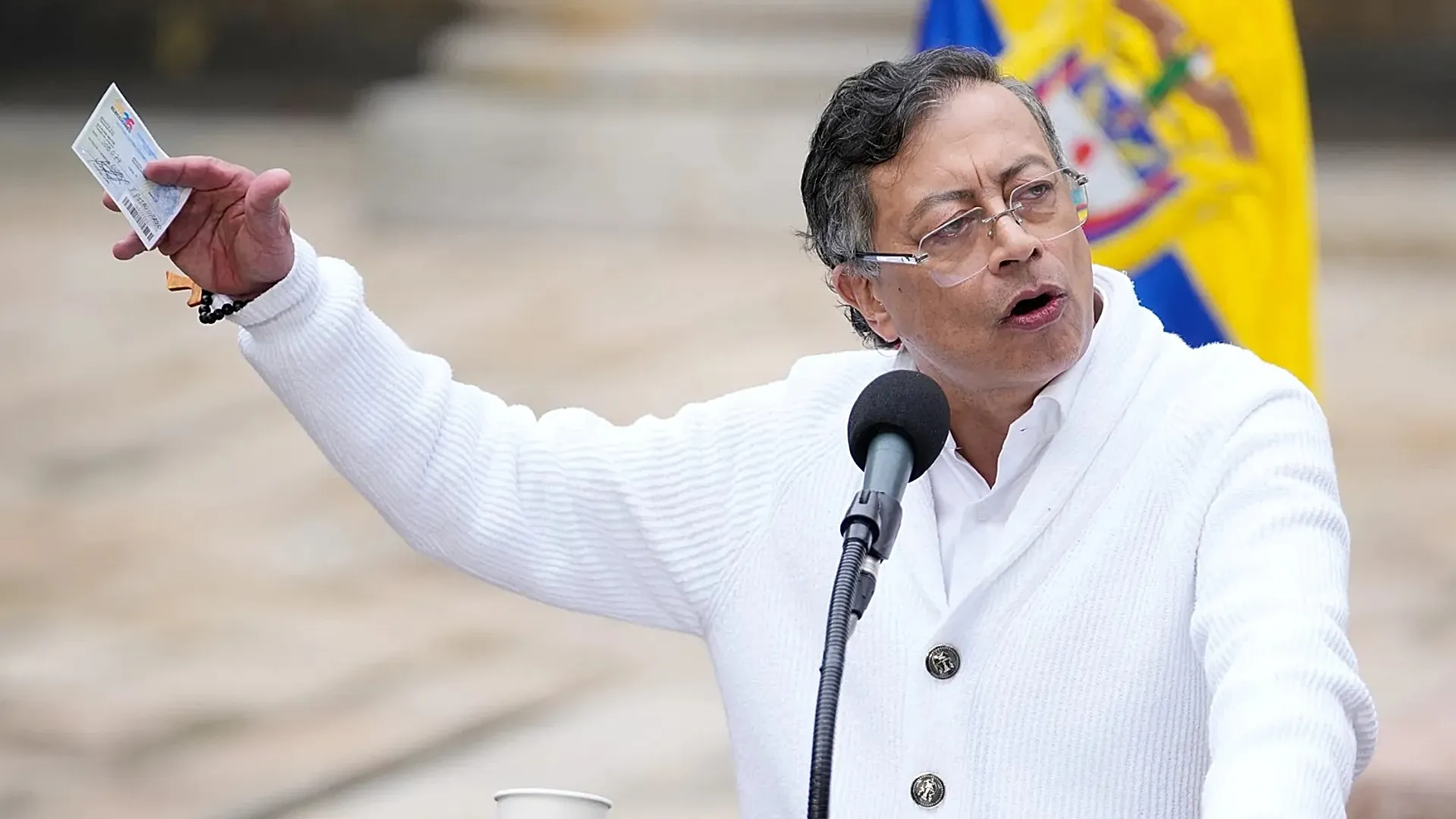
The vote count is no longer the only battleground.
Bogotá, June 2026. Colombian President Gustavo Petro has intensified his challenge to the legitimacy of the country’s presidential election process, insisting that he possesses evidence suggesting irregularities in the electoral census and voting infrastructure. According to Petro, modifications in voter registration records, polling stations and voting tables may have altered electoral conditions during the first round of voting, raising concerns about the transparency of the process.
The allegations have transformed what initially appeared to be a post-election dispute into a broader institutional confrontation. Petro argues that discrepancies in electoral data warrant a comprehensive review of thousands of voting tables and administrative records. His position reflects a growing concern among his supporters that procedural changes may have influenced participation patterns and electoral outcomes.
Electoral authorities have responded by defending the integrity of the process. Officials maintain that audits, verification mechanisms and international observation missions have not identified evidence of systemic fraud capable of affecting the overall result. Independent observers have similarly indicated that the election met established democratic standards and that reported inconsistencies fall within normal administrative margins.
The controversy nevertheless highlights a deeper challenge confronting democracies worldwide. Electoral legitimacy depends not only on the technical accuracy of vote counting but also on public confidence in the institutions responsible for administering elections. When political leaders question the credibility of those institutions, even without definitive proof of manipulation, public trust can erode rapidly and create competing versions of political reality.
The timing amplifies the stakes. Colombia is approaching a highly polarized second-round contest in which competing political visions are separated by profound ideological differences. Under such conditions, allegations of irregularities can become powerful mobilizing tools capable of influencing public perception regardless of whether subsequent investigations validate or reject the claims.
Beyond Colombia, the episode reflects a broader international pattern in which elections increasingly continue long after ballots are counted. Modern political competition extends into information ecosystems, social media narratives and institutional credibility struggles. The contest is no longer limited to determining who won, but also to defining which interpretation of the outcome becomes politically dominant.
From a strategic perspective, the greatest risk may not be the existence of electoral fraud itself but the gradual weakening of confidence in the mechanisms designed to resolve political competition peacefully. Democracies rely on shared acceptance of electoral outcomes. When that consensus fractures, each election risks becoming the beginning of a new legitimacy crisis rather than the conclusion of a political contest.
As Colombia moves toward its decisive vote, the central question is no longer solely who will become the next president. Equally important is whether the country’s institutions can preserve sufficient public confidence to ensure that the eventual result is accepted across an increasingly divided political landscape.
Información que anticipa futuros. / Information that anticipates futures.