

 Phoenix 24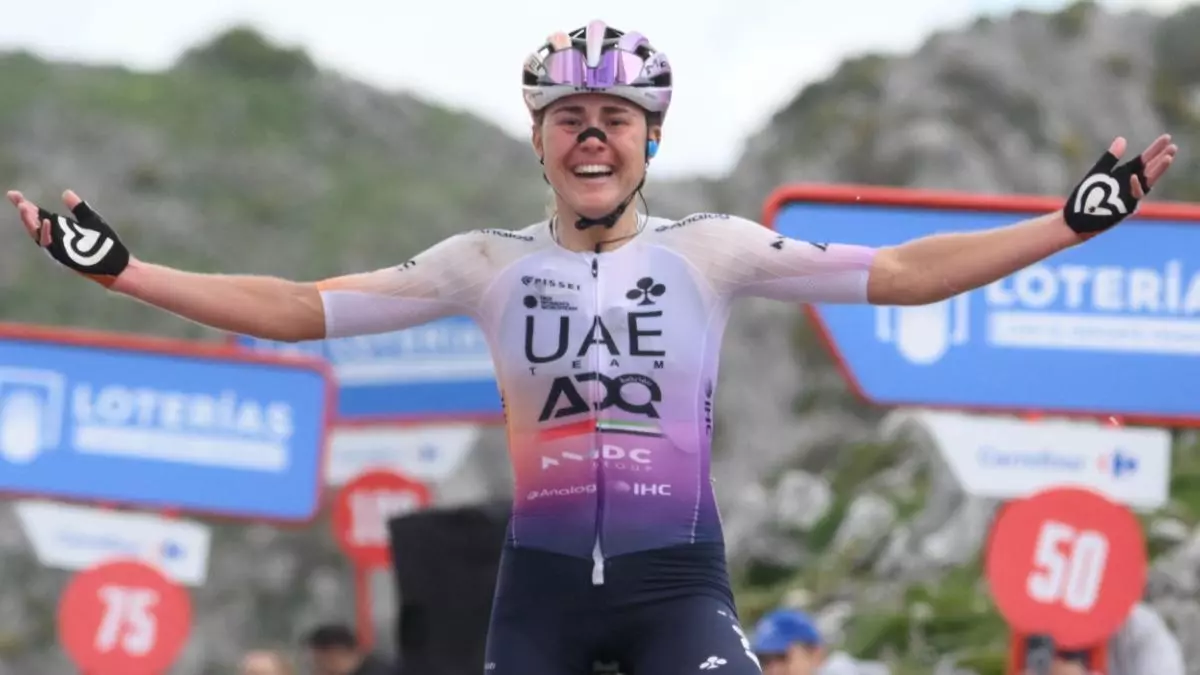
A home race now has a national protagonist.
Barcelona, June 2026. Paula Blasi has become the central sporting attraction for the next Volta a Catalunya Femenina, turning the Catalan race into more than a regional fixture on the women’s calendar. Her rise has given the event a stronger identity, a sharper competitive narrative and a local figure capable of pulling attention beyond specialized cycling audiences.
The third edition of the women’s Volta will be held from June 19 to 21, with three stages designed to consolidate the race as an international platform. Blasi arrives not only as one of the leading Catalan riders of the moment, but as a cyclist whose recent performances have changed expectations around Spanish women’s cycling. Her presence gives the race what every emerging event needs: competitive credibility and emotional proximity.
Blasi’s season has accelerated her public profile. At 23, the UAE Team ADQ rider has already shown the tactical intelligence, explosiveness and ambition needed to compete against established names in elite women’s cycling. Her results in major spring races have moved her from promising talent to reference point, especially for a Spanish audience looking for new figures capable of sustaining long-term international impact.
The Volta’s organizers understand that her participation functions as a sporting and media asset. A race can have route quality, institutional backing and international teams, but it needs recognizable protagonists to build continuity with fans. Blasi offers exactly that: a local story with global projection, a rider still young enough to represent the future but already strong enough to influence the present.
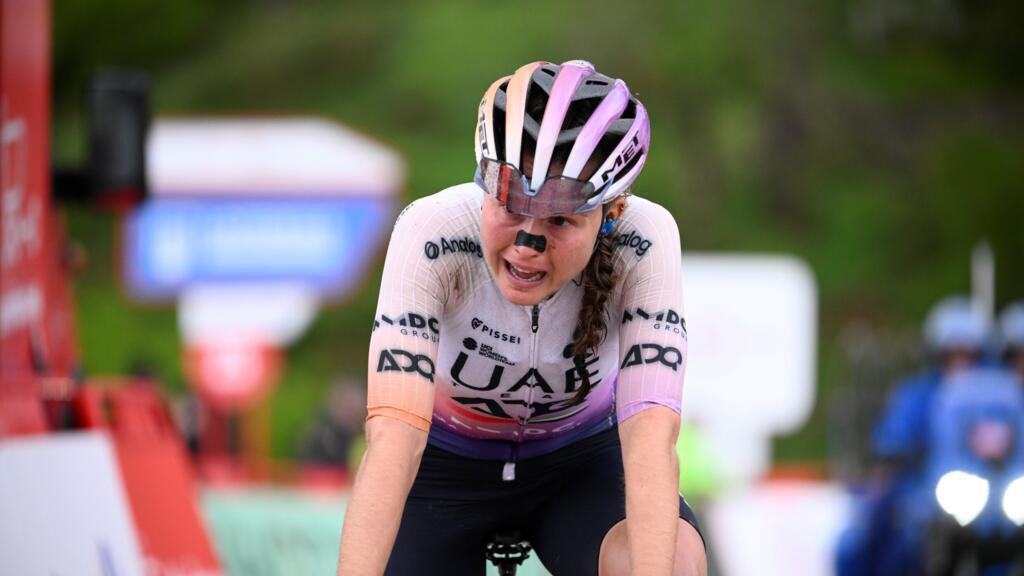
The broader meaning reaches beyond one cyclist. Women’s cycling is expanding rapidly, but its consolidation depends on calendar stability, television visibility, sponsorship confidence and national heroes who can attract new audiences. The Volta a Catalunya Femenina is trying to position itself inside that growth curve, and Blasi’s emergence gives the race a powerful narrative advantage.
Her profile also reflects a changing model of athlete development. Blasi did not arrive through a linear, traditional cycling path; her background in athletics, triathlon and multidisciplinary training has shaped a rider with unusual physical range and tactical adaptability. That makes her valuable not only as a competitor, but as a symbol of how women’s cycling is absorbing new athletic identities.
For Catalonia, the race now carries an added layer of cultural and sporting relevance. Hosting an international women’s cycling event is one achievement; doing so with a Catalan contender capable of animating the race is another. The local connection can transform roadside support, media attention and institutional interest into a stronger platform for future editions.
The challenge will be sustaining that momentum beyond the novelty effect. Blasi cannot be treated only as a promotional face; she must be recognized as part of a deeper competitive ecosystem that includes team strategy, route design, rival strength and long-term investment in women’s cycling. The Volta’s growth will depend on whether it can convert this moment into structure.
The race enters June with an opportunity that few young events receive so early: a credible international field, a rising domestic star and a public hungry for new sporting narratives. Paula Blasi gives the Volta a Catalunya Femenina a name, a storyline and a reason to watch. Now the race must prove it can become more than a showcase and grow into a permanent reference point on the women’s calendar.
Resistencia narrativa global. / Global narrative resilience.