

 Phoenix 24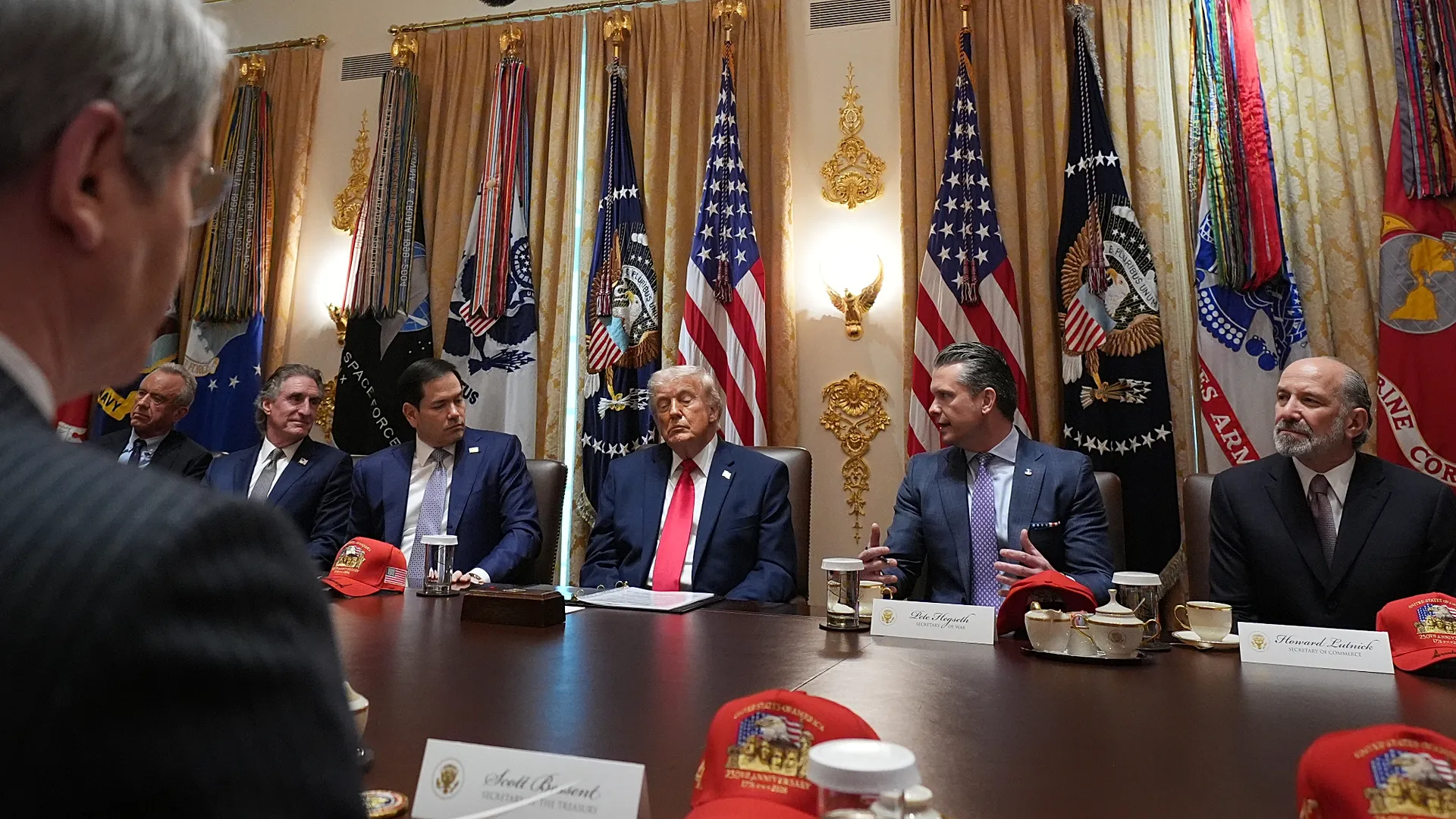
A ceasefire is not a settlement.
Washington, May 2026. The United States and Iran have reportedly reached a provisional framework agreement aimed at extending the current ceasefire for sixty days while opening a broader negotiation over Tehran’s nuclear program. The arrangement, however, remains contingent on final approval from President Donald Trump, whose recent statements have continued to oscillate between diplomatic caution and military pressure. The agreement emerges after weeks of escalating tensions that pushed the Persian Gulf back to the center of global security calculations.
The strategic core of the understanding is not merely nuclear oversight but the future of the Strait of Hormuz. The reopening and stabilization of that maritime corridor has become a critical objective for both sides after disruptions rattled energy markets and revived fears of a wider regional confrontation. Roughly one-fifth of the world’s oil trade moves through Hormuz, transforming every military signal in the Gulf into a direct variable for inflation, logistics networks, shipping insurance, and geopolitical risk.
Iranian officials have responded with measured ambiguity. While voices within Tehran suggested that several Iranian demands were reflected in the negotiations, the political establishment continues to view Washington through the lens of past withdrawals, sanctions, and broken commitments. The result is a diplomatic environment defined less by trust than by mutual deterrence, economic exhaustion, and tactical necessity.
Trump’s position remains the decisive factor. Recent remarks indicated dissatisfaction with parts of the proposed framework, accompanied by warnings that the United States could be forced to “finish the job” if diplomacy fails. That language underscores the reality that the current arrangement functions as a temporary containment mechanism rather than a durable strategic resolution. Military leverage remains embedded within the negotiation itself.
What is unfolding extends beyond the nuclear file. The crisis has evolved into a broader contest involving maritime security, energy stability, regional influence, presidential credibility, and the architecture of power across the Middle East. If Trump authorizes the agreement, Washington gains sixty days to transform a battlefield pause into structured diplomacy. If he rejects it, Hormuz could rapidly return to the center of a confrontation whose consequences would extend far beyond the Gulf.
Phoenix24: clarity in the grey zone. / Phoenix24: claridad en la zona gris.“Hormuz Becomes the Price of a Fragile Truce”