

 Phoenix 24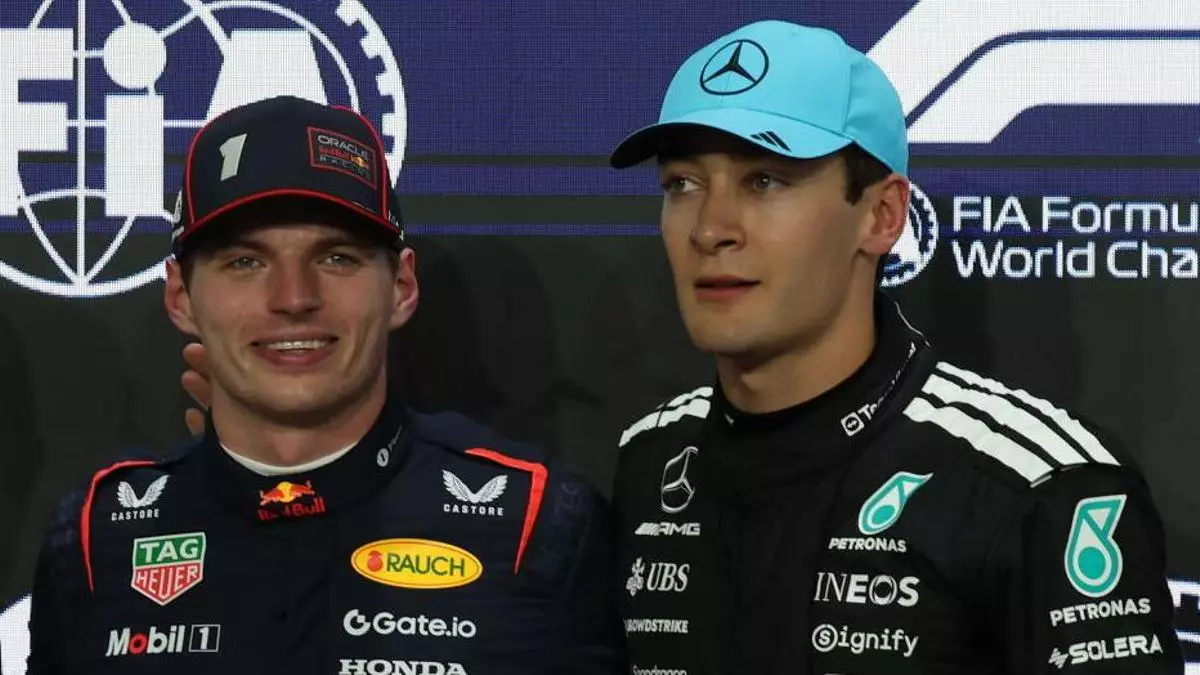
The future of Formula 1 is also personal.
Monaco, May 2026. Max Verstappen and George Russell clashed again over the direction Formula 1 should take, turning a sporting disagreement into a wider debate about the championship’s identity. Their exchange reflects a paddock increasingly divided between drivers who defend competitive purity and those who accept that the category must keep adapting to entertainment, regulation and global expansion.
Verstappen’s position has become familiar. He has repeatedly questioned decisions that, in his view, dilute the essence of racing, from calendar expansion to format changes and excessive spectacle around grand prix weekends. For him, Formula 1 risks becoming too dependent on showmanship while losing the technical and competitive seriousness that made it elite.
Russell’s stance points in another direction. As a leading voice inside the drivers’ association, he has tended to frame the future of the sport through adaptation, safety, sustainability and long-term commercial viability. That does not mean abandoning racing tradition, but accepting that Formula 1 now operates inside a global entertainment economy.
The tension matters because both drivers represent different forms of authority. Verstappen speaks from dominance, instinct and sporting legitimacy. Russell speaks from institutional responsibility, generational leadership and a more diplomatic reading of the paddock’s future.
Formula 1 is no longer just arguing about engines, tires or race formats. It is negotiating what kind of product it wants to be in the next decade: a purist motorsport championship, a global entertainment platform or an uneasy combination of both. That ambiguity keeps the business growing, but it also sharpens the discomfort among its most visible protagonists.
The Verstappen-Russell clash is therefore not a minor paddock dispute. It is a symptom of a sport expanding faster than its own consensus. Formula 1 has never been more global, but it may also be less certain about what it wants to protect.
La narrativa también es poder. / Narrative is power too.