

 Phoenix 24
The body is becoming the forgotten classroom.
Buenos Aires, May 2026
The rise of “motor illiteracy” among children reveals a deeper consequence of excessive screen exposure: childhood is losing physical grammar. Pediatric specialists warn that more children now struggle with basic movements such as running, jumping, balancing, bending their knees, or coordinating their bodies with confidence.
The problem is not technology itself, but the displacement of free play, outdoor exploration, and everyday movement. A child can master a cellphone interface while failing to develop essential motor patterns that once emerged naturally through climbing, falling, chasing, throwing, and improvising with the body.

This shift carries consequences beyond sports or physical education. Motor development is tied to autonomy, attention, emotional regulation, confidence, and social participation. When the body loses practice, childhood becomes more sedentary, more anxious, and more dependent on controlled digital stimulation.
The warning is therefore not nostalgic. It is developmental. Screens are not only occupying time; they are replacing the physical experiences through which children learn space, risk, limits, balance, frustration, and coordination.
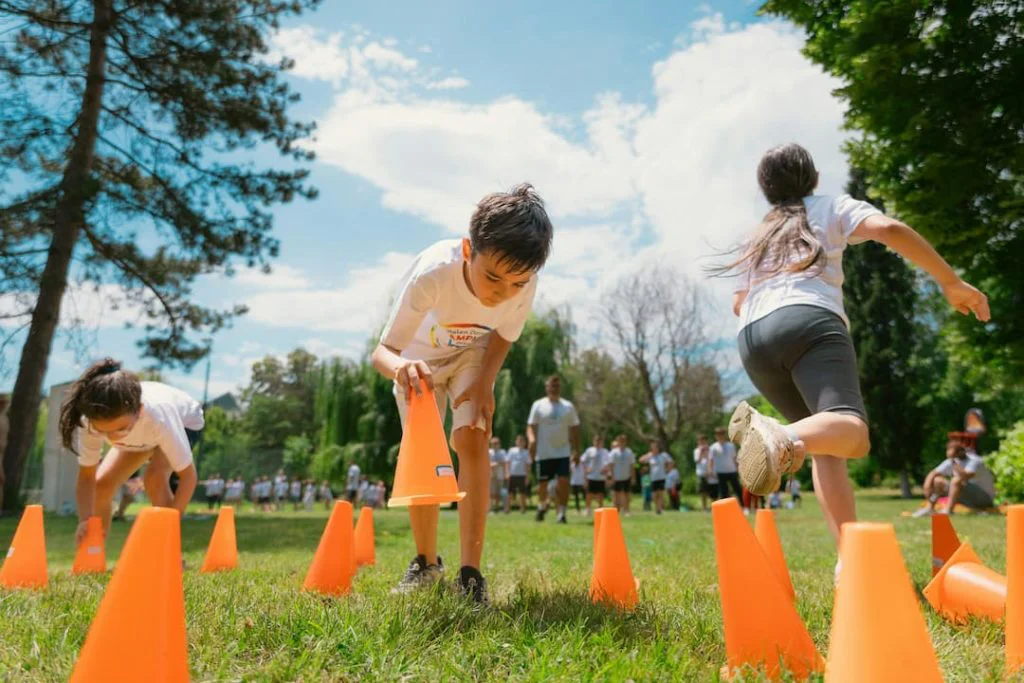
The response does not require panic, but it does require adult intervention. Less passive screen time, more daily movement, more unstructured play, and stronger family-school routines can still reverse the trend. The child’s body is not an accessory to learning. It is one of its first languages.
Detrás de cada dato, la intención. / Behind every data point, the intention.