

 Phoenix 24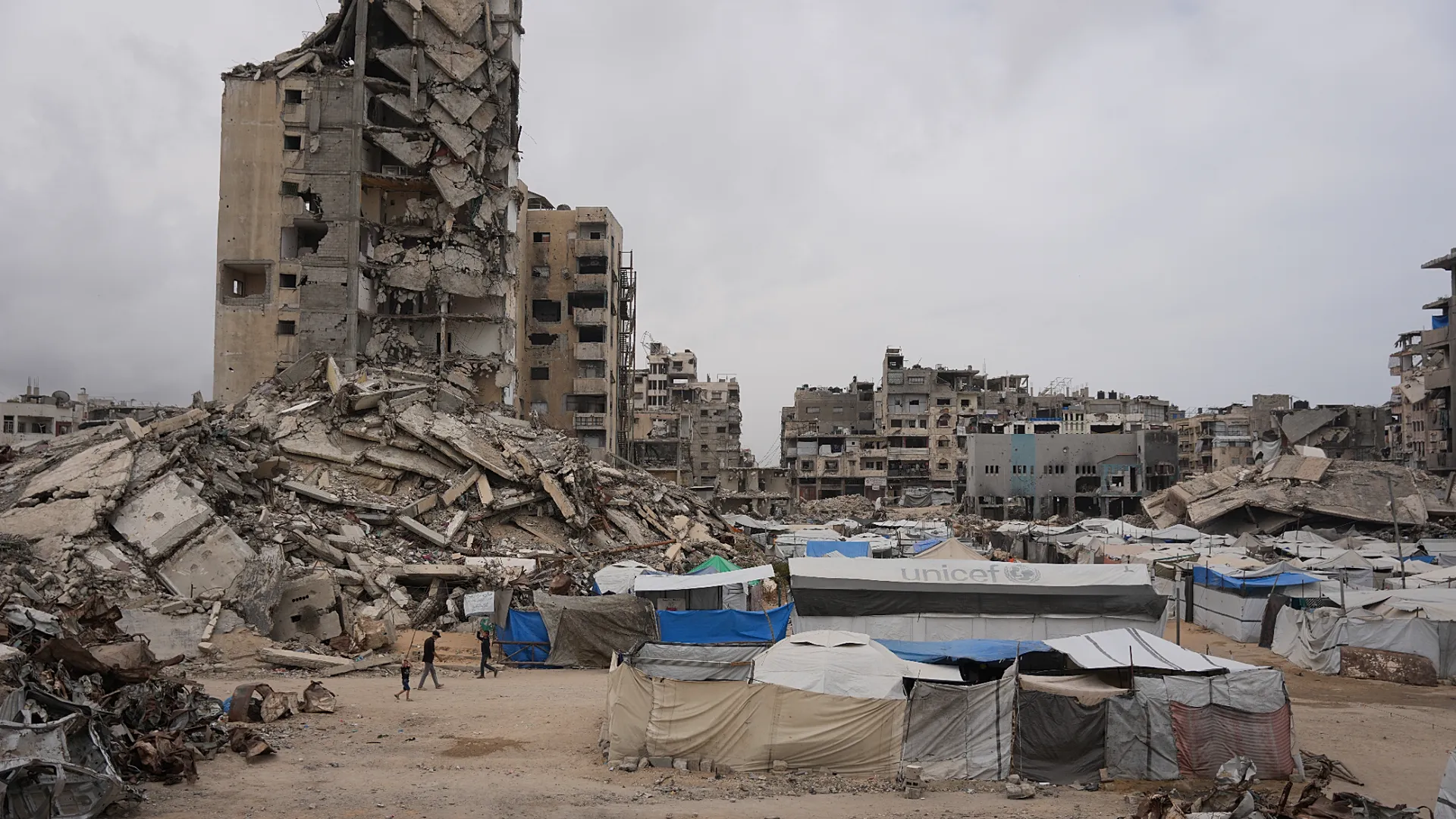
War also chases invisible symbols.
Gaza, May 2026. The Israeli military announced that it had targeted Izz al-Din al-Haddad, identified by Israel as the senior Hamas military commander still operating inside the Gaza Strip and one of the last remaining figures tied to the operational architecture behind the October 7 attacks. The strike reportedly took place in Gaza City, placing the leadership structure of Hamas once again at the center of a conflict shaped by intelligence, targeted force and psychological pressure.
Israel presented the operation as a precision strike against a high-value military figure, but immediate confirmation of Al-Haddad’s death remained unclear. Hamas did not issue an instant public confirmation, reinforcing a familiar pattern in the Gaza war: silence around senior commanders becomes part of the battlefield itself. In this type of conflict, the absence of proof can be tactical, symbolic or simply the result of wartime opacity.
Al-Haddad’s importance goes beyond his formal position. He had been described as one of the key surviving commanders of Hamas’ armed wing after Israel’s campaign against senior figures in the organization. His reported survival through previous attempts had turned him into a shadow figure inside the conflict, a commander whose value rested not only in operational capacity but also in what he represented for Hamas’ continuity under siege.
The strike comes at a sensitive moment for the broader war. Israel is trying to demonstrate that Hamas’ command structure remains vulnerable, even after years of combat, displacement and international pressure. For Hamas, the challenge is different: preserving the perception of organizational resilience despite the systematic targeting of its military leadership.
The deeper issue is not only whether Al-Haddad was killed. The strategic question is how much command capacity Hamas still retains after repeated decapitation strikes, infrastructure collapse and prolonged territorial pressure. In asymmetric wars, leadership is not just a hierarchy. It is memory, discipline, fear, symbolism and the ability to convince followers that the structure still exists.
Israel’s message is direct: no commander is beyond reach. Hamas’ countermessage, if it can sustain one, will depend on whether it can keep operating after the removal or attempted removal of another senior figure. The battlefield in Gaza is no longer only physical. It is also organizational, psychological and narrative.
Phoenix24: clarity in the grey zone. / Phoenix24: claridad en la zona gris.