

 Phoenix 24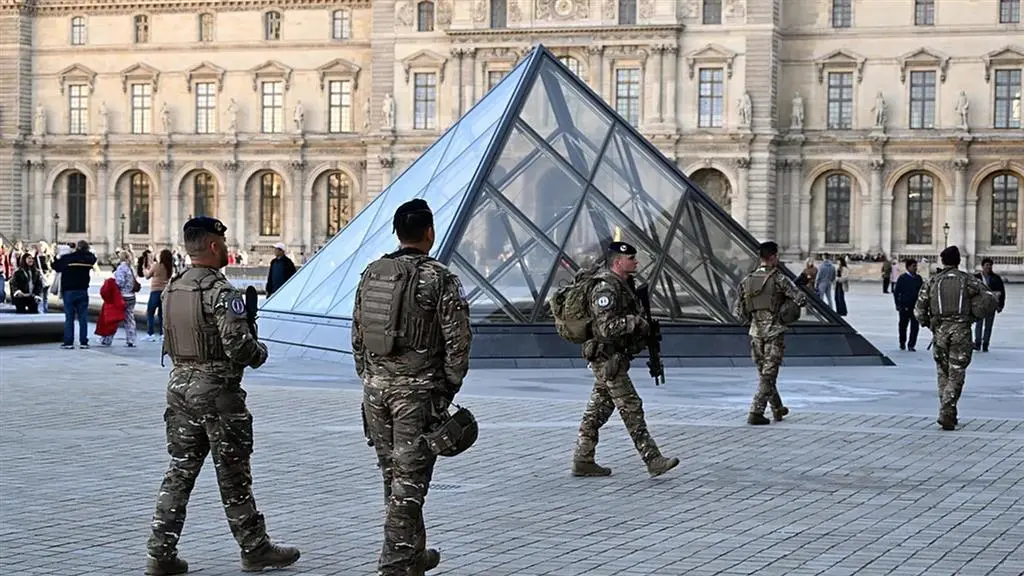
A museum can lose more than jewels.
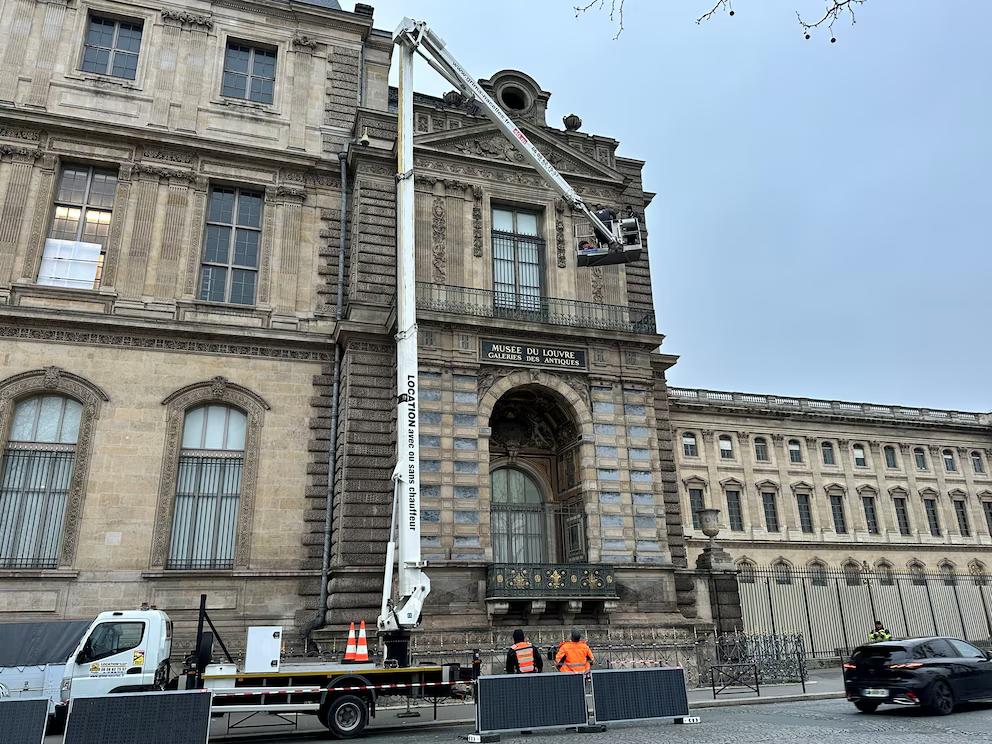
Paris, May 2026. The Louvre is facing renewed criticism after a French parliamentary report concluded that security had been treated as a secondary concern before the spectacular theft of historic jewels from the museum’s Apollo Gallery. The robbery, carried out in October 2025, exposed vulnerabilities inside one of the world’s most visited cultural institutions and reopened a wider debate about how France protects its national heritage.
The report’s political force lies in its diagnosis. The problem was not presented as a single operational failure, but as the result of known weaknesses, outdated systems and insufficient risk planning. Previous audits had already pointed to security gaps, which makes the theft harder to frame as an unforeseeable shock. The Louvre was not only robbed; it was warned before it was robbed.
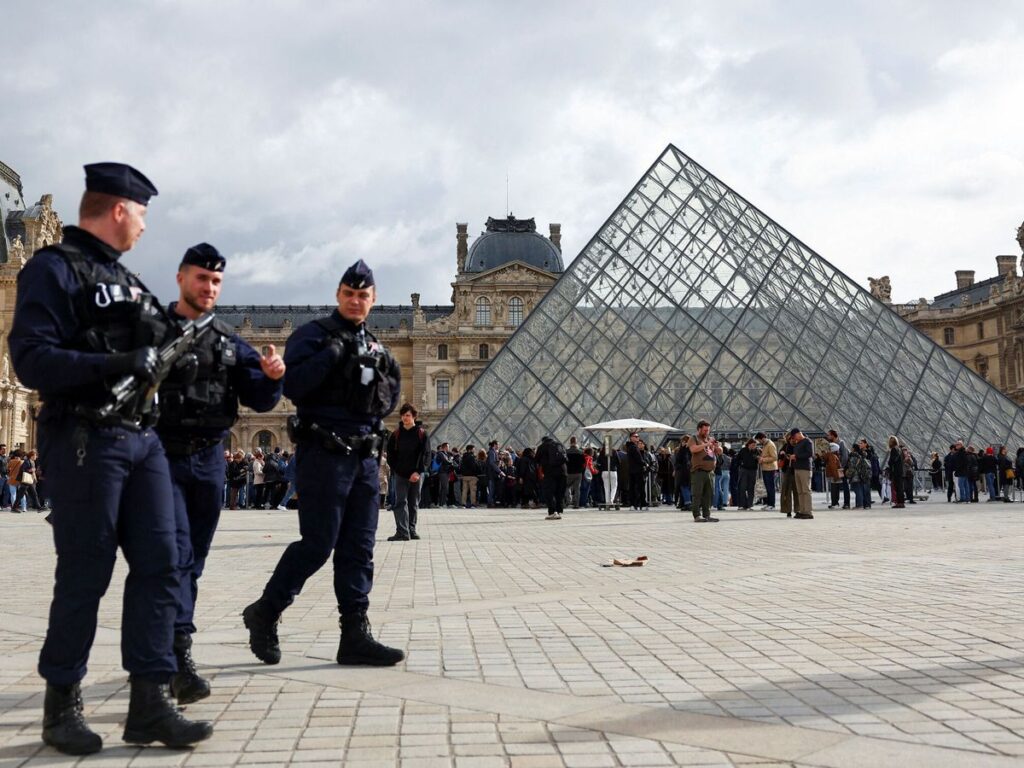
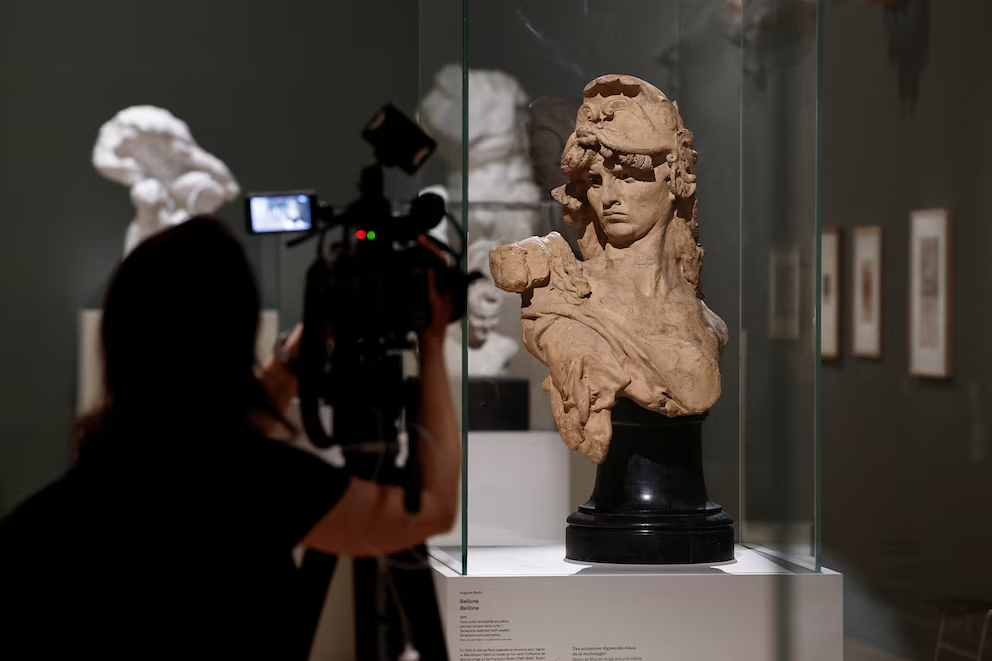
That distinction matters because museums operate as symbolic infrastructure. They do not merely store objects; they preserve state memory, civilizational prestige and the fragile continuity between past and present. When jewels linked to French history disappear from such a visible institution, the damage exceeds market value. It becomes a question of institutional authority.
The controversy also lands at a delicate moment for the Louvre’s renovation plans. The museum must modernize visitor flows, infrastructure and conservation systems while also rebuilding confidence in its capacity to protect what it exhibits. A cultural institution of this scale cannot depend only on reputation. It must prove that beauty, access and security can coexist without turning the museum into a fortress.
The deeper issue is governance. If security failures were already documented, the theft becomes a case study in bureaucratic inertia rather than simple criminal audacity. The thieves exploited a physical opening, but the larger opening was administrative: warnings that did not produce enough action, budgets that did not match exposure, and priorities that placed public image ahead of preventive discipline.
For France, the Louvre’s crisis is more than an embarrassment. It is a warning that cultural power requires operational seriousness. Masterpieces and royal jewels cannot be protected by aura alone. The world’s most famous museum now faces a harder task than recovering stolen objects: recovering trust.
Phoenix24: inteligencia para audiencias libres. / Phoenix24: intelligence for free audiences.