

 Phoenix 24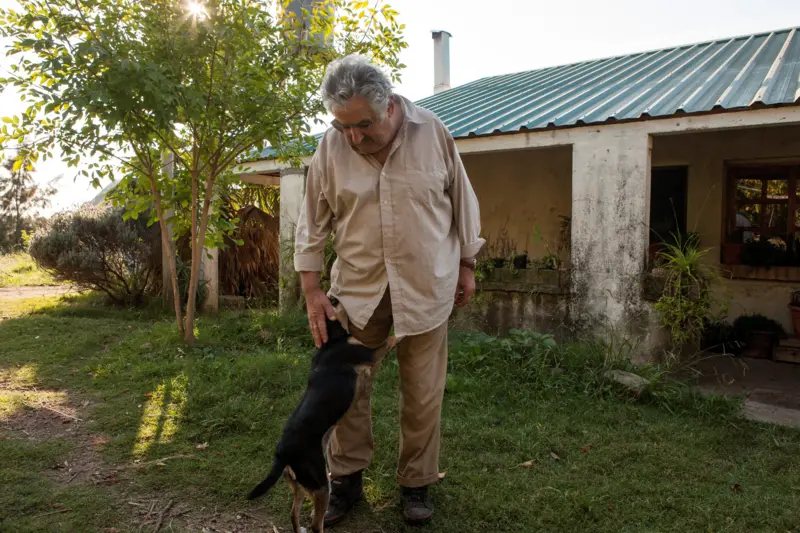
Some absences become public memory.
Montevideo, May 2026. One year after José “Pepe” Mujica’s death, Uruguay remembered him not only as a former president, but as a political symbol whose life still resists easy classification. His widow, Lucía Topolansky, recalled the emotional weight of his farewell and the crowd that accompanied him, describing an absence that remains permanent because Mujica’s public figure never fully belonged to private grief.
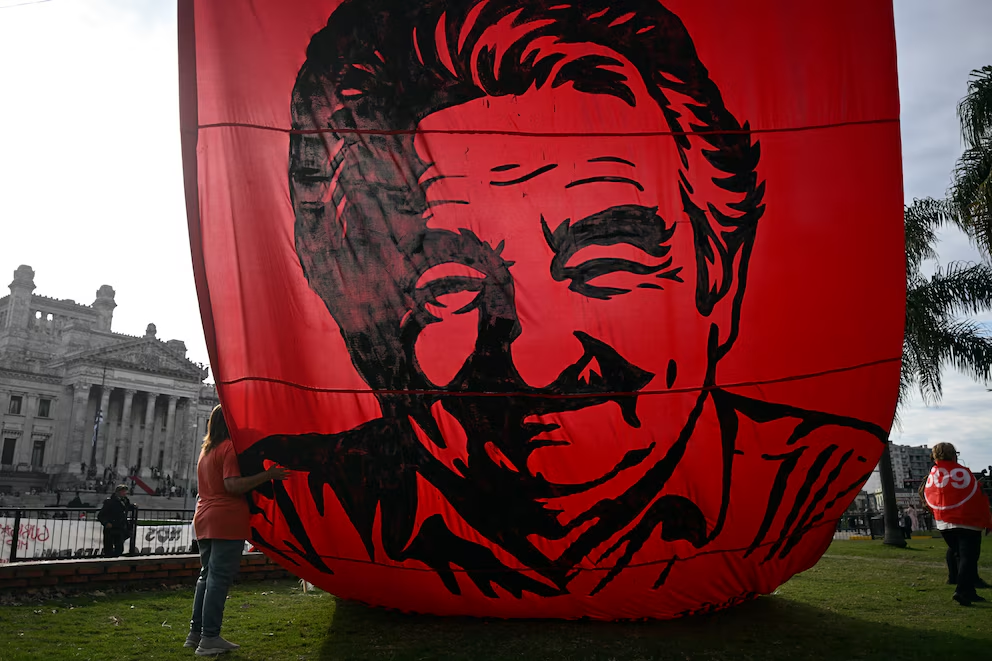
The tributes across Uruguay turned memory into civic ritual. Mujica’s legacy carries the force of contradiction: guerrilla, prisoner, farmer, president and global moral reference. That biography explains why his death continues to activate something deeper than nostalgia. It forces Uruguay to ask whether politics can still be lived with austerity, coherence and proximity to ordinary people.
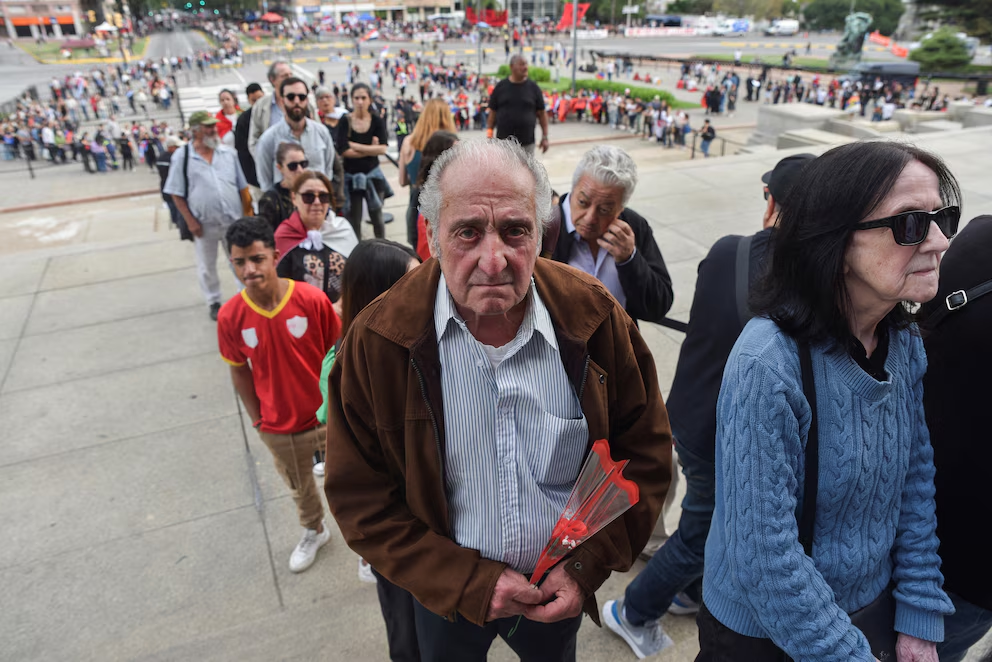
Topolansky’s remembrance matters because it restores the intimate layer behind the public myth. Mujica was never only the man of speeches, reforms and international admiration. He was also part of a shared political and personal life shaped by prison, militancy, survival and daily discipline. Her testimony gives the commemoration a human center, preventing the symbol from becoming a museum piece.
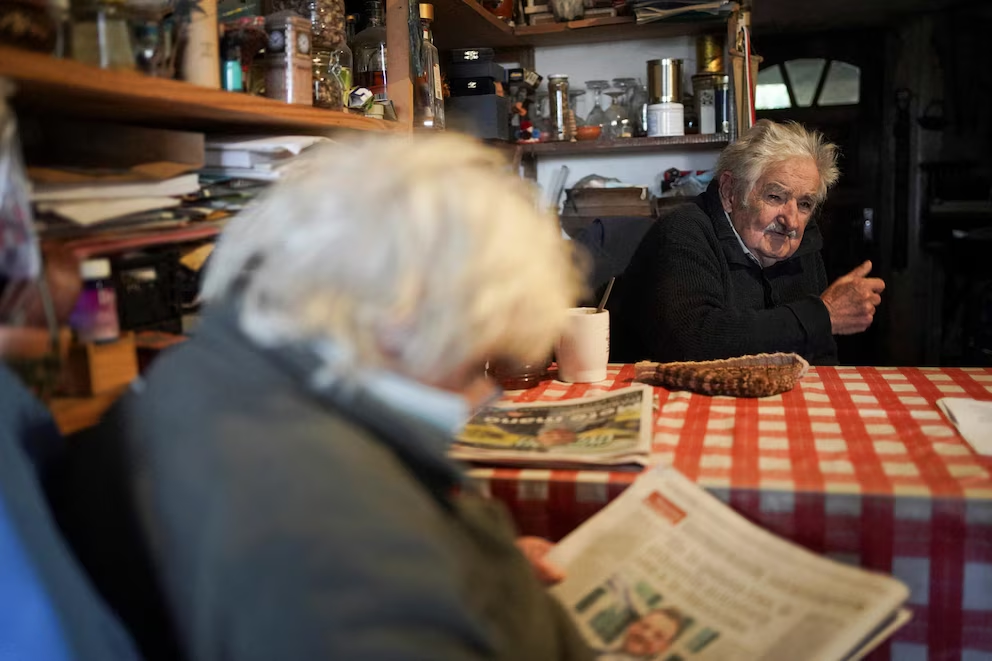
A year later, Mujica’s power is not in institutional command, but in moral comparison. His memory now functions as a measuring instrument for a political era marked by spectacle, polarization and ambition without restraint. Uruguay is not simply honoring a former president. It is testing how much of his ethic can survive after the man himself has gone.
Cada silencio habla. / Every silence speaks.