

 Phoenix 24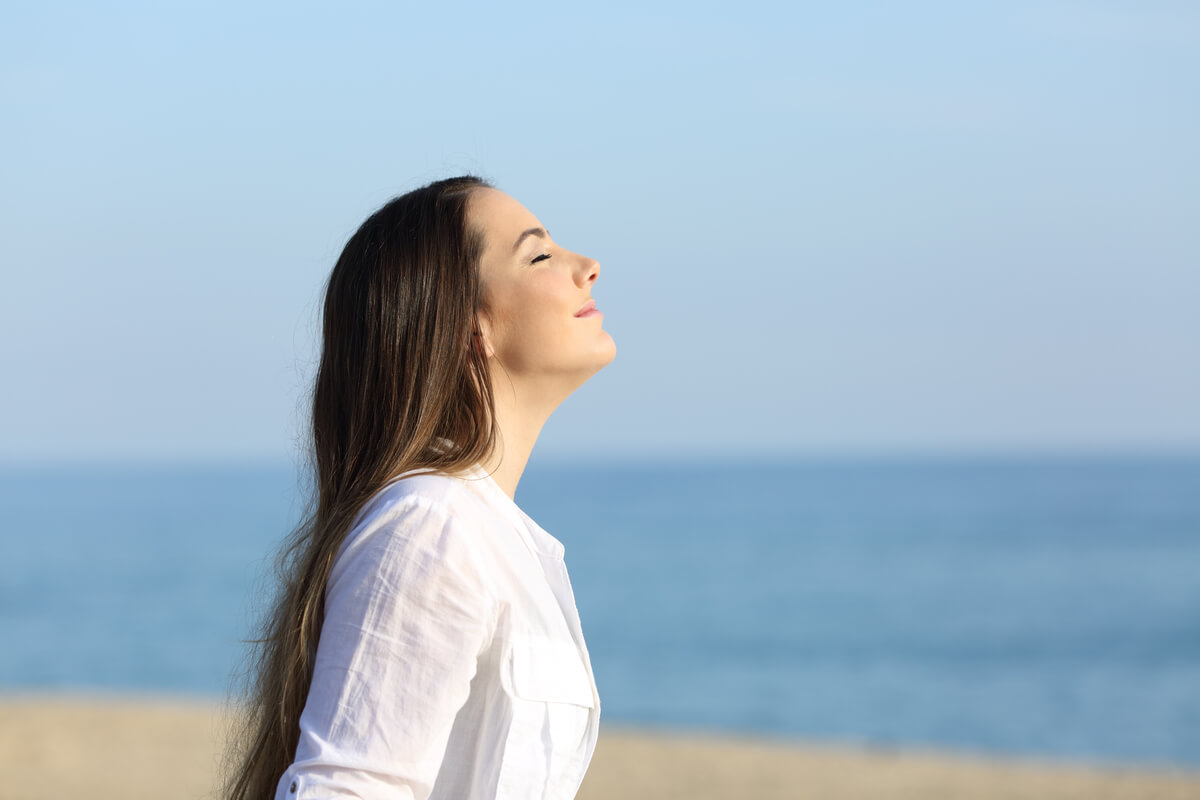
Calm begins before thought can intervene.
Mexico City, May 2026. Slow breathing is gaining scientific weight as a simple but powerful tool for reducing anxiety. Recent reporting cites work associated with UCLA neuroscientist Jack Feldman, whose research points to the role of the pre-Bötzinger complex, a group of neurons in the brainstem that helps regulate breathing rhythm. The key idea is that breathing does not only respond to emotional states. It can also help shape them.
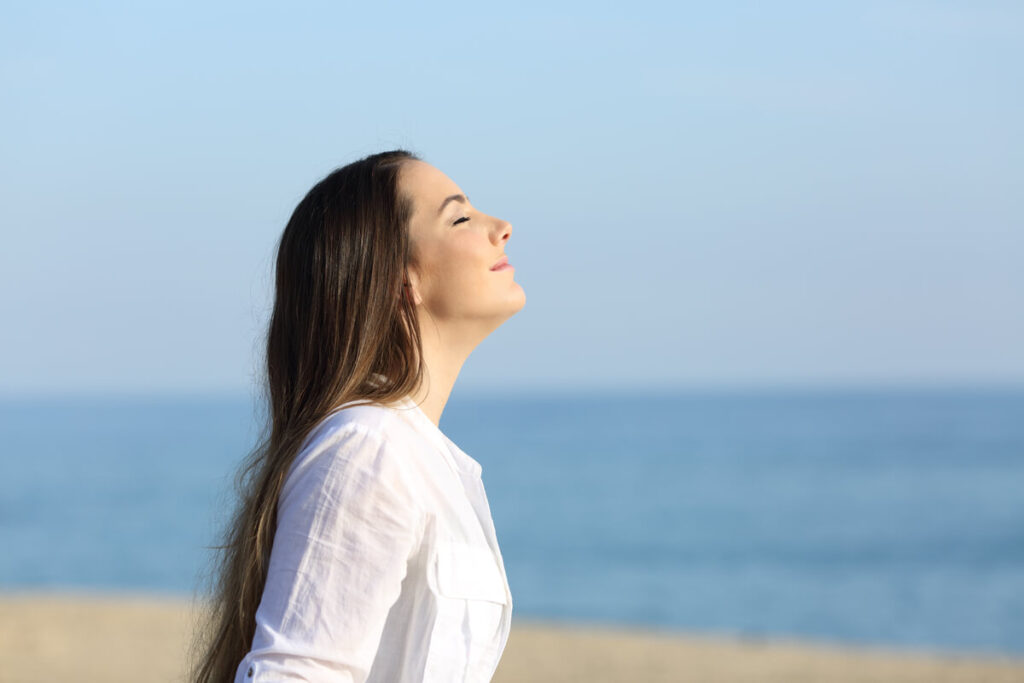
This matters because anxiety is not only a thought pattern. It is also a bodily state involving heart rate, muscle tension, alertness, respiratory rhythm and threat perception. When breathing becomes fast, shallow or irregular, the body can reinforce the sensation that something is wrong. Slow breathing interrupts that cycle by sending a different physiological signal to the nervous system.
The most important finding is that the calming effect does not depend entirely on meditation, belief or conscious intention. Even without a complex mindfulness practice, a slower respiratory rhythm appears to influence circuits linked to emotional regulation. That makes the technique accessible, low-cost and useful in daily situations of stress, uncertainty or overload.

The mechanism is not magical. Slow breathing can support parasympathetic activation, reduce physiological arousal and help the body move away from a defensive state. In practical terms, extending the exhalation, breathing through the nose and maintaining a steady rhythm can help the heart slow down and the muscles relax. The effect is often subtle at first, but repeated practice can train the body to recover calm more efficiently.
The clinical caution is essential. Slow breathing is not a substitute for psychotherapy, medical evaluation or psychiatric care when anxiety becomes persistent, disabling or associated with panic attacks, depression, trauma or suicidal thoughts. It should be understood as a regulation strategy, not as a universal cure. Its strength lies precisely in being simple, repeatable and compatible with broader mental health care.
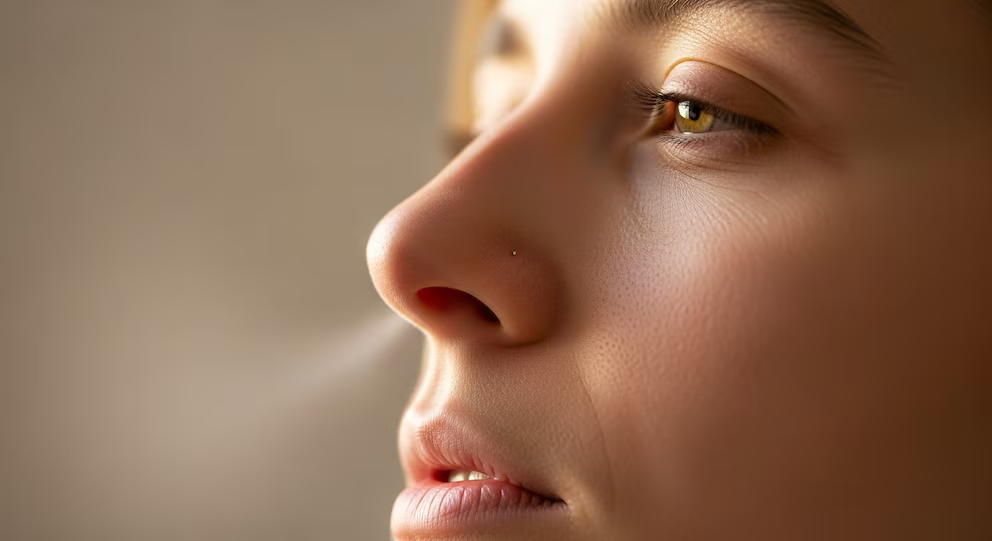
The broader cultural lesson is that modern life has trained people to manage anxiety cognitively while ignoring the body. People try to reason their way out of stress while continuing to breathe as if they were under threat. Slow breathing reverses that sequence. It begins with the body so the mind can regain room to think.
This is why the technique has value beyond wellness trends. It belongs in schools, workplaces, therapy rooms and daily routines because it teaches a basic form of self-regulation. In an age of permanent alerts, overloaded screens and accelerated reactions, learning to breathe slowly is not a decorative habit. It is a small act of nervous system literacy.
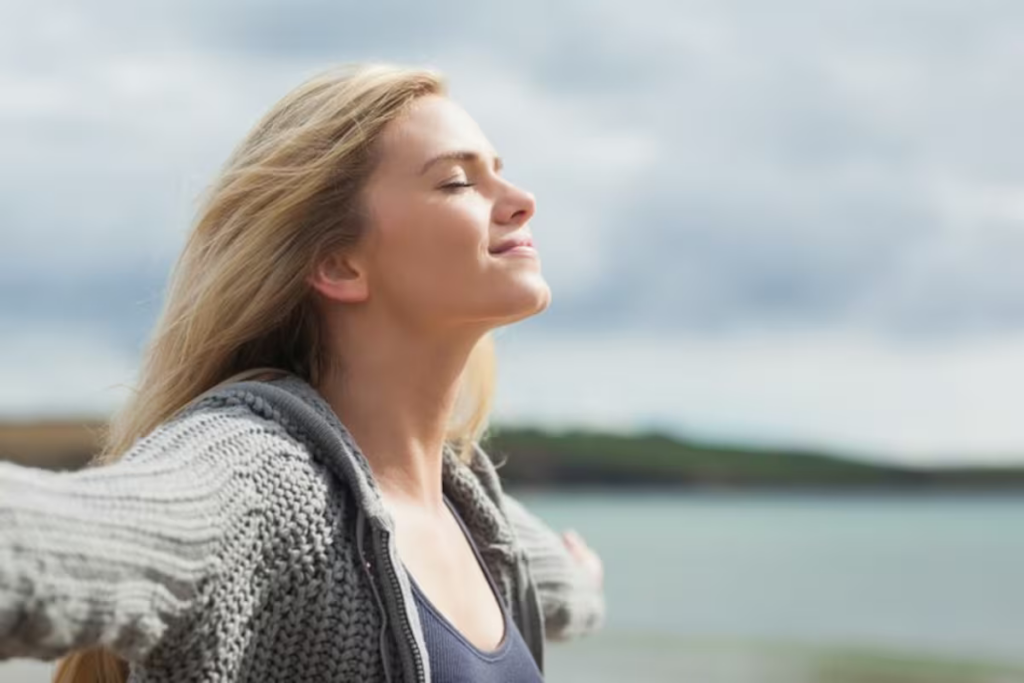
The future of mental health will not depend only on advanced therapies or digital tools. It will also depend on whether people recover basic skills for regulating attention, emotion and bodily activation. Slow breathing does not eliminate anxiety from human life. It gives the body a way to stop amplifying it.
Detrás de cada dato, la intención. / Behind every data point, the intention.