

 Phoenix 24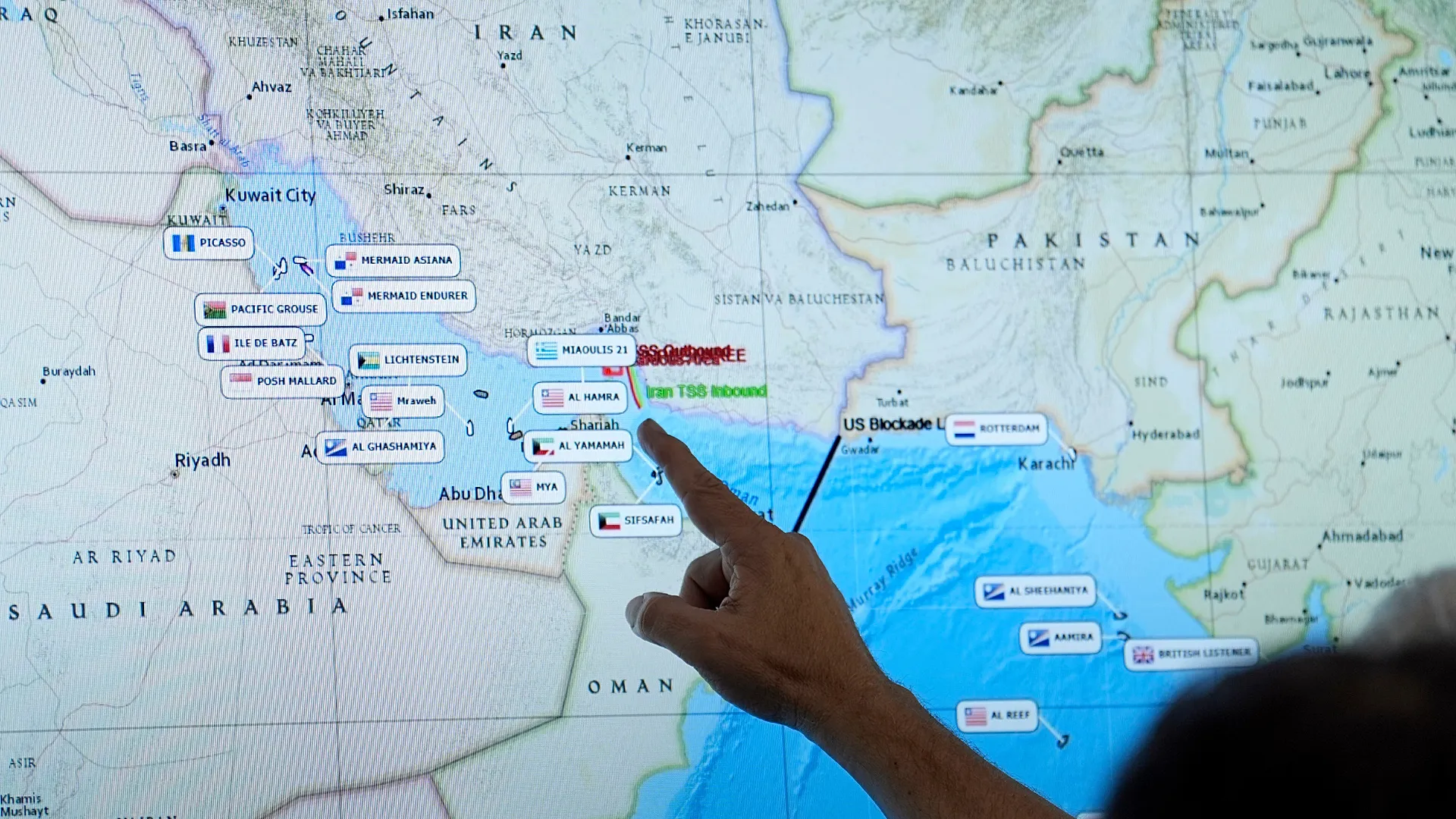
Small economies are paying for distant wars.
Manila, May 2026. The Asian Development Bank has warned that economic growth in the Pacific could fall sharply as rising fuel and fertilizer costs deepen pressure on some of the world’s most exposed island economies. The region’s growth is projected to slow from 4.2% in 2025 to 2.8% in 2026, with downside risks that could drag it closer to 2.0%. Behind those numbers is a structural warning: the Pacific is not only vulnerable to climate shocks, but also to energy disruptions generated far beyond its waters.
The bank links the downward revision to deteriorating global conditions and supply disruptions connected to the conflict in the Middle East. For Pacific economies, this is not an abstract macroeconomic adjustment. Imported fuel determines electricity costs, transport prices, food distribution, tourism competitiveness and fiscal pressure. When energy becomes more expensive, the shock moves through the entire domestic system.
Small island states face the harshest exposure because they import most of what they consume and have limited fiscal room to absorb external shocks. Tonga, for example, spends more than 10% of its GDP on fossil fuel imports, a level of dependency that converts global volatility into domestic vulnerability. In this context, energy prices function almost like an external tax on development.
The pressure is not limited to fuel. Fertilizer costs are also rising, adding strain to food production and agricultural stability across developing Asia. The problem is particularly severe for low-income economies with large agricultural sectors, where imported inputs shape both food prices and rural livelihoods. A disruption in energy markets can therefore become a food security problem within weeks.
The Asian Development Bank is preparing emergency and medium-term support for countries under stress. Its response includes trade finance, budget support, supply-chain assistance and resilience programs designed to protect vulnerable populations while stabilizing public accounts. The message is clear: immediate liquidity matters, but long-term exposure cannot be solved by temporary relief alone.
Energy diversification has become the strategic center of the response. The bank is backing renewable projects, storage systems and grid-stability investments intended to reduce dependence on imported fossil fuels. In the Solomon Islands, the Tina River hydropower project is expected to cover around 70% of national electricity needs once completed in 2028, illustrating how infrastructure can become a shield against geopolitical volatility.
The deeper lesson is that the energy transition is no longer only a climate policy. For small Pacific economies, it is an economic security doctrine. Solar grids, batteries, hydropower and resilient infrastructure are not symbolic green investments; they are tools for sovereignty in a world where fuel routes, war zones and commodity shocks can destabilize national budgets.
The Pacific’s slowdown also shows how global conflict radiates through supply chains with unequal force. Large economies can cushion price shocks through reserves, subsidies or monetary flexibility. Small island economies cannot do so with the same margin. They absorb global instability faster, and they recover from it more slowly.
This makes regional cooperation more than diplomatic language. Diversified supply chains, shared energy planning and coordinated financing are becoming survival mechanisms for economies facing repeated external shocks. The challenge is that these changes take time, while price pressure arrives immediately.
The Asian Development Bank’s warning should therefore be read as more than a forecast. It is a map of structural dependency. The Pacific is being reminded that economic growth can be interrupted not only by storms and climate damage, but by wars, fuel markets and supply corridors located thousands of kilometers away.
For policymakers, the conclusion is direct: resilience must be built before the next shock, not improvised after it. The economies that reduce imported energy dependence will gain fiscal stability, food security and political room to maneuver. Those that remain locked into fossil fuel imports will continue to experience global crises as domestic economic emergencies.
Phoenix24: claridad en la zona gris. / Phoenix24: clarity in the grey zone.