

 Phoenix 24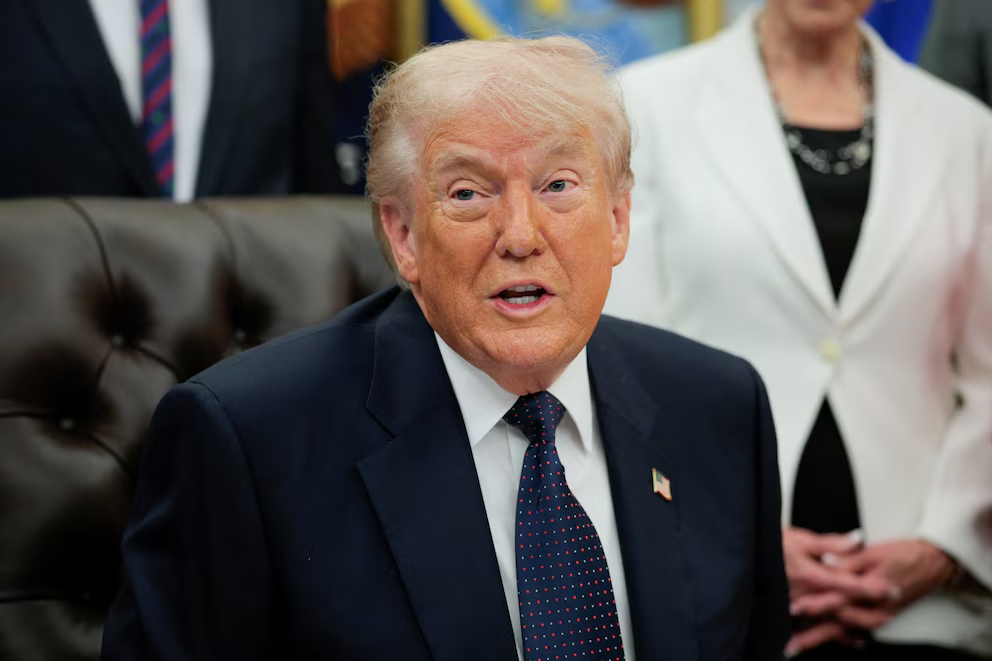
Diplomacy now moves under the shadow of bombardment.
Washington, May 2026. Donald Trump warned Iran that U.S. bombings will resume if Tehran refuses to accept the peace framework currently under negotiation. The ultimatum arrives as Washington projects optimism about possible progress while maintaining military pressure around the Strait of Hormuz.
The message reflects Trump’s doctrine of coercive negotiation: offer diplomacy while raising the cost of rejection. Iran is being pushed toward an agreement tied to uranium control, maritime security and regional stabilization. If Tehran refuses, Washington is signaling a return to force at a higher level of intensity.
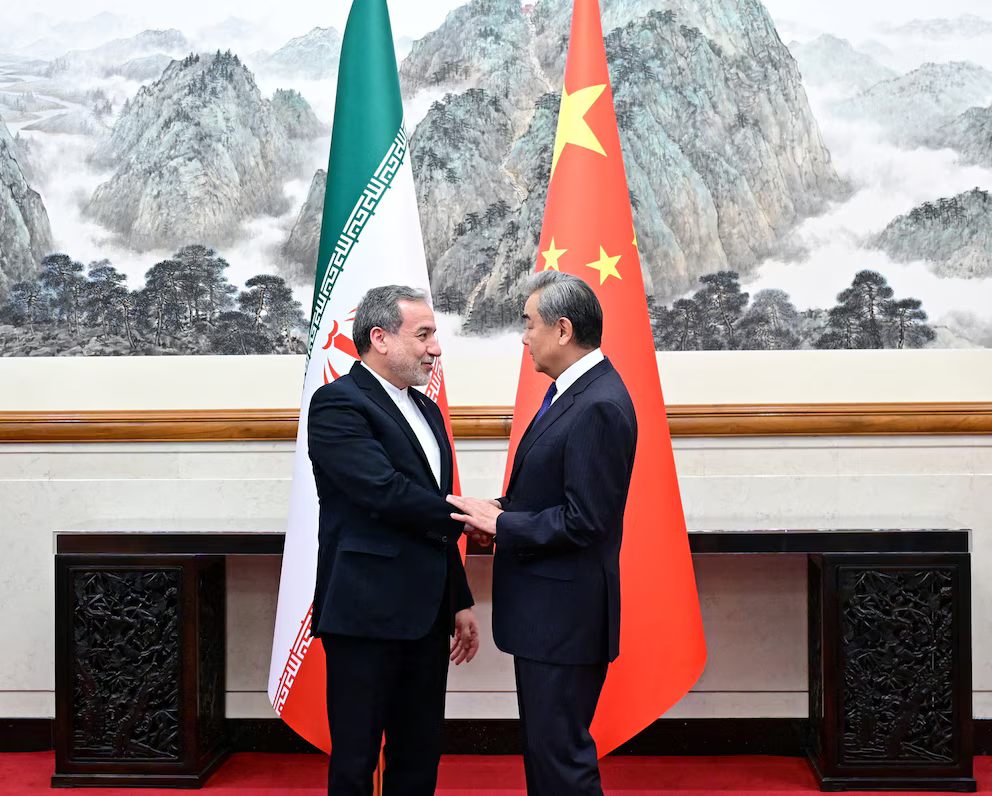
Tehran, however, continues to reject what it sees as surrender diplomacy. Iranian officials insist they will not negotiate under direct military intimidation and warn that renewed attacks could trigger broader retaliation against U.S. assets and regional infrastructure. The confrontation remains suspended between negotiation and escalation.
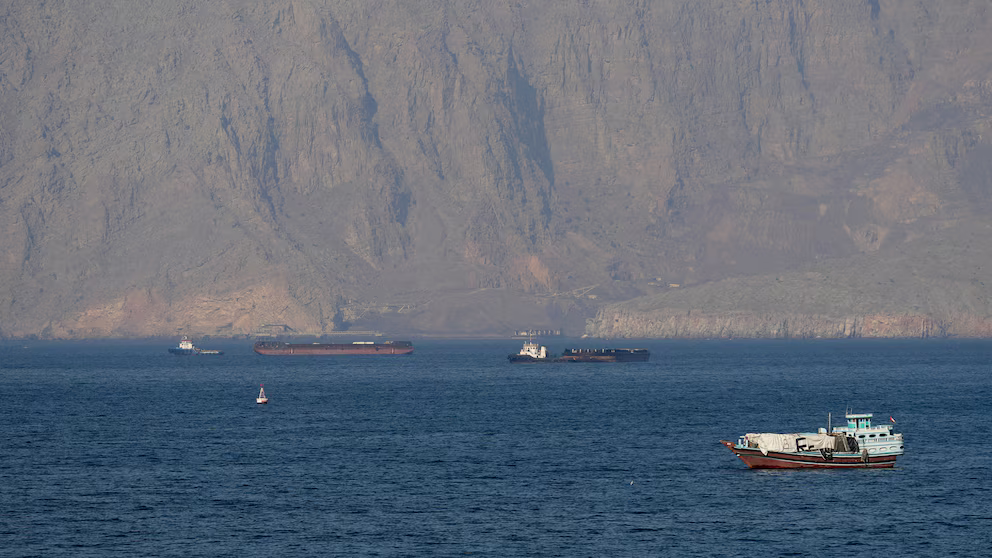
Behind the rhetoric lies a deeper geopolitical calculation. Control over Hormuz, uranium stockpiles and Gulf maritime routes has transformed the crisis into a struggle over strategic leverage. Oil markets, shipping insurers and allied governments are reacting not only to military action, but to the possibility of a wider rupture in global trade flows.
The contradiction inside Trump’s strategy is increasingly visible. Washington speaks simultaneously about peace and heavier bombardment, about negotiation and overwhelming force. That ambiguity is deliberate: uncertainty itself has become part of the pressure architecture designed to keep Iran economically strained while leaving diplomacy barely alive.
Phoenix24: claridad en la zona gris. / Phoenix24: clarity in the grey zone.