

 Phoenix 24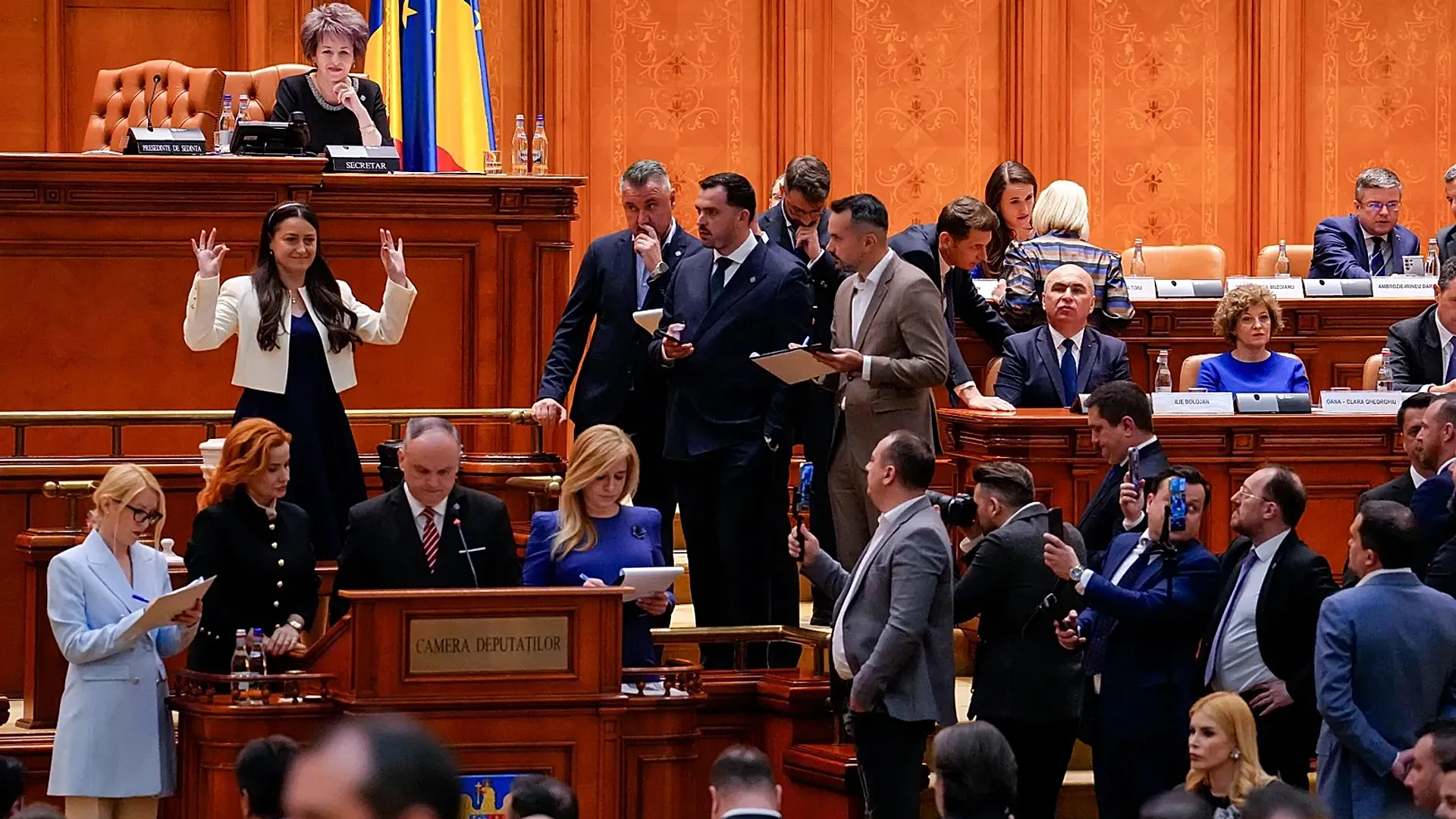
Power fractures as alliances turn against themselves.
Bucharest, May 2026
Romania has entered a new phase of political instability after its pro-European coalition government collapsed following a no-confidence vote against Prime Minister Ilie Bolojan. The motion passed with 281 votes, well above the required threshold, marking a decisive parliamentary rupture less than a year after the coalition was formed.

The fall of the government was triggered by the withdrawal of the Social Democratic Party, which then aligned with the far-right Alliance for the Union of Romanians to push the motion forward. This unexpected convergence between former governing partners and nationalist opposition forces reflects a deeper structural fracture within Romania’s political system.
At the core of the conflict are austerity measures and fiscal reforms aimed at reducing one of the European Union’s highest budget deficits. While the government defended these policies as necessary to secure access to European funds, the measures generated political backlash strong enough to dismantle the coalition from within.
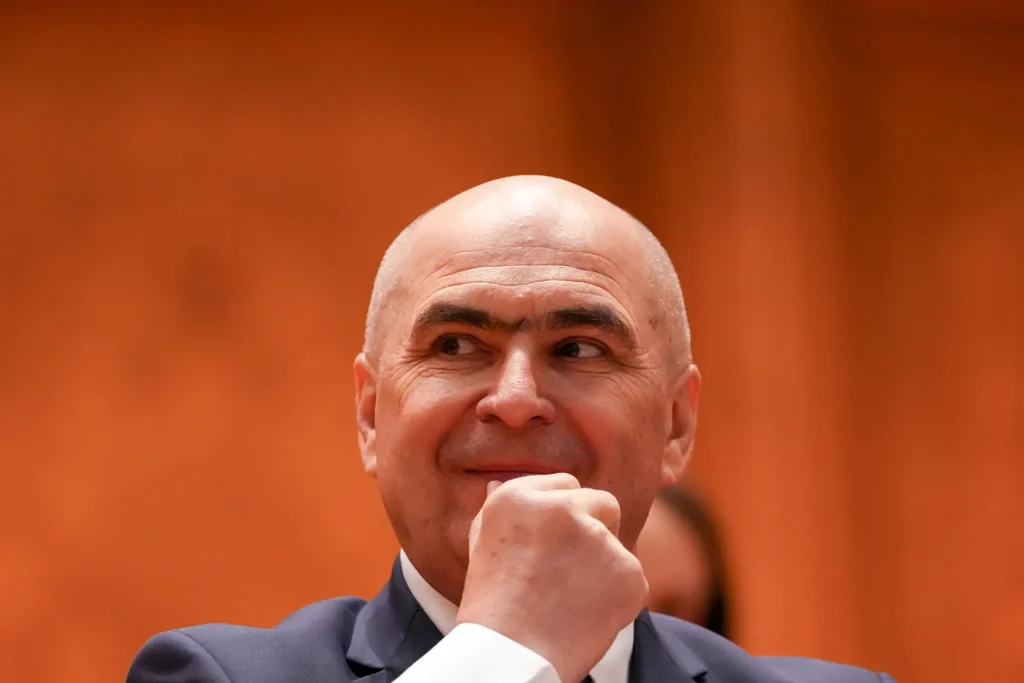
The immediate consequence is a power vacuum with economic implications. Romania now faces uncertainty over currency stability, sovereign credit outlook, and continued access to recovery funds tied to reform commitments. The interim government will remain in place with limited authority while negotiations for a new coalition begin.
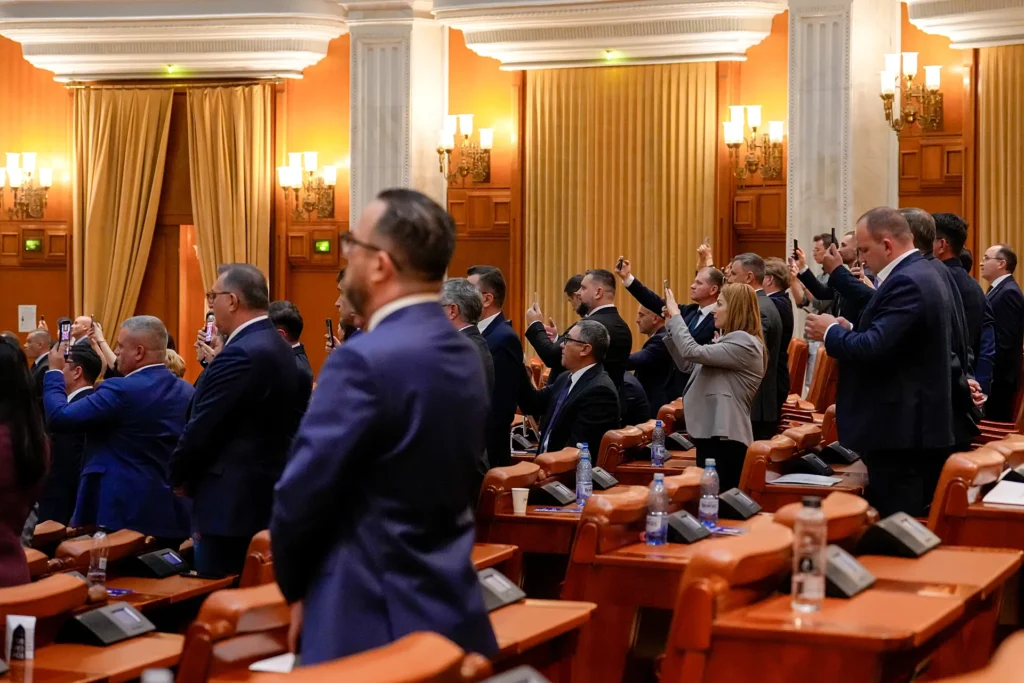
Beyond the parliamentary arithmetic, the episode signals a broader European pattern: centrist coalitions are becoming increasingly fragile under pressure from both populist movements and internal contradictions. Romania’s crisis is not an isolated breakdown, but part of a wider recalibration of political power across the EU, where economic discipline, electoral pressure, and ideological fragmentation are colliding in real time.
Phoenix24: inteligencia para audiencias libres. / Phoenix24: intelligence for free audiences.