

 Phoenix 24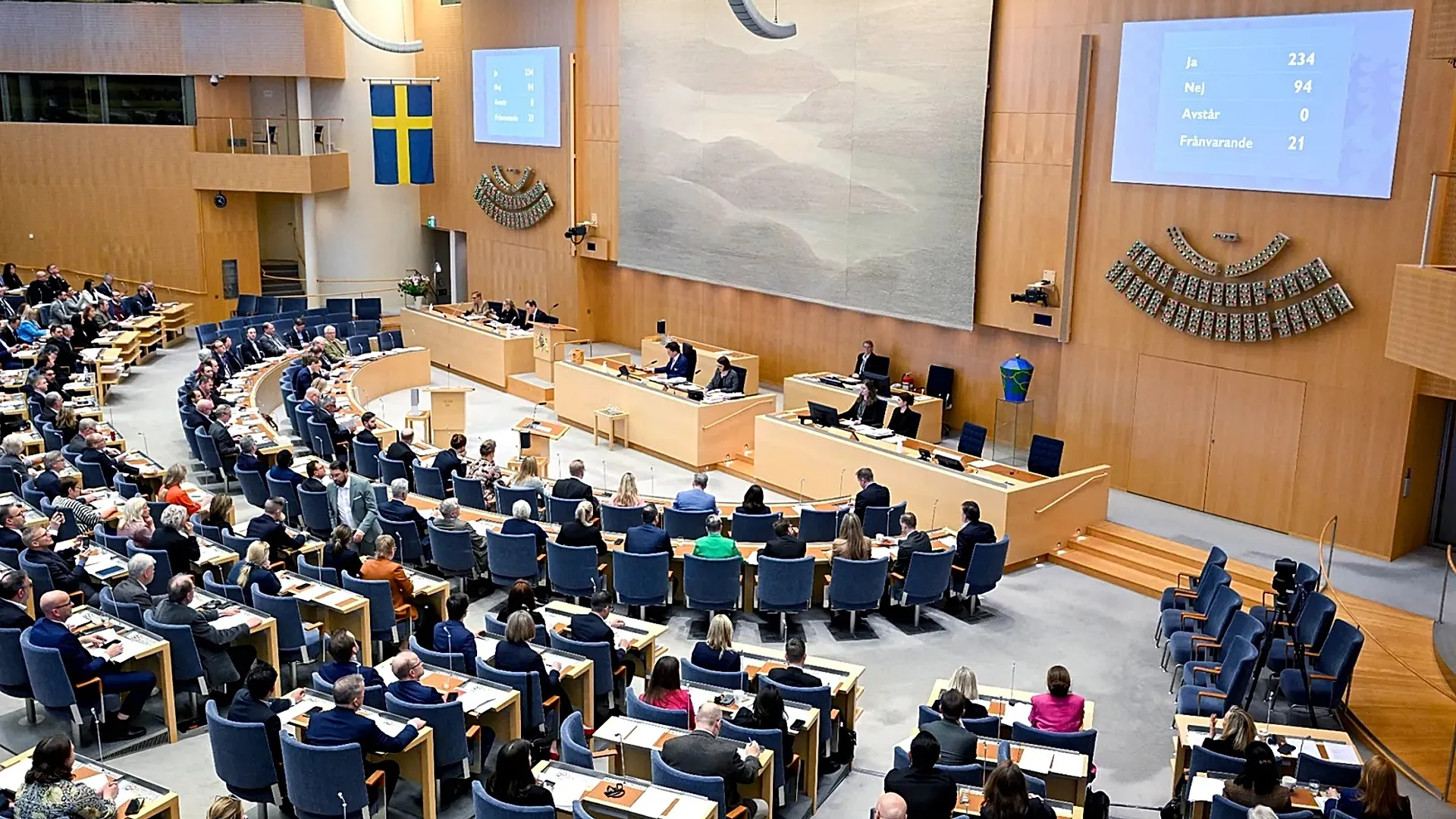
Neutrality is being replaced by anticipation.
Stockholm, May 2026. Sweden has announced the creation of a new foreign intelligence agency, a decision shaped by the war in Ukraine, the Russian threat environment and Stockholm’s new role inside NATO. The agency, expected to operate from January 2027, will be known as Sweden’s Foreign Intelligence Service and will report directly to the government.
The move marks more than an administrative reform. It signals a strategic rupture with the long architecture of Swedish security, built for decades around military non-alignment, discreet intelligence cooperation and domestic resilience. After Russia’s full-scale invasion of Ukraine exposed gaps in European anticipation, Stockholm is now institutionalizing foreign intelligence as a central instrument of national power.
The new service will coexist with Sweden’s established intelligence ecosystem, including military intelligence, domestic security and signals intelligence structures. That matters because the reform does not simply add another agency. It reorganizes the logic of threat perception, placing external political, military and technological intelligence closer to executive decision-making.
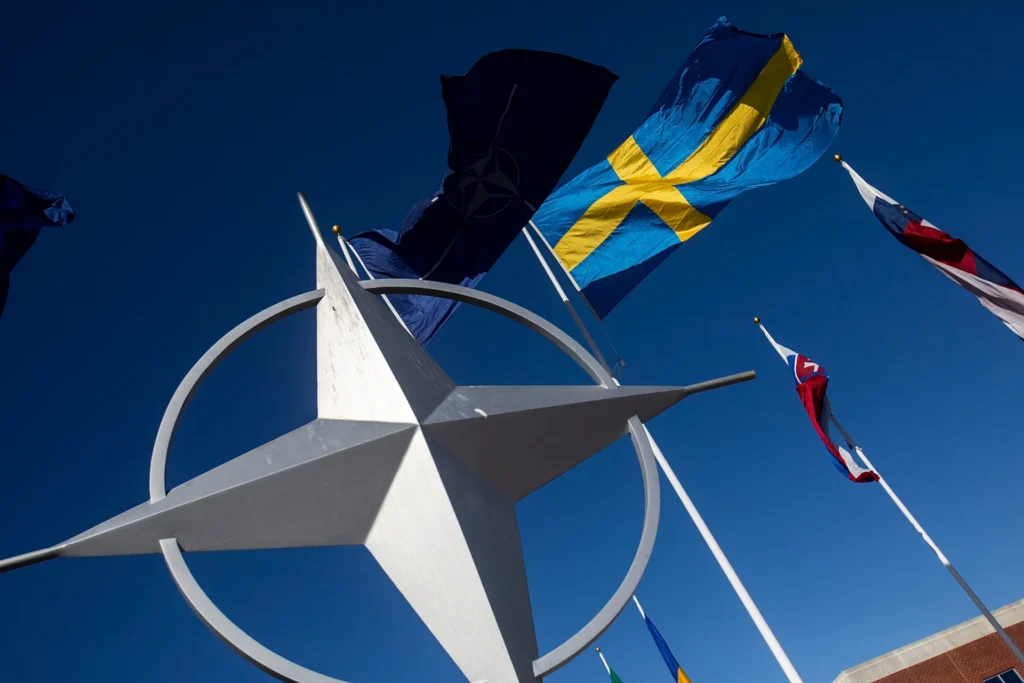
For Sweden, NATO membership has changed the operational grammar of security. Intelligence is no longer only about protecting national territory; it is about contributing to alliance awareness, anticipating hostile moves and aligning with the deeper intelligence practices of Western partners. In that sense, the new agency is as much a NATO adaptation mechanism as it is a Swedish institutional upgrade.
The Russian factor remains central. Moscow’s war in Ukraine forced Nordic states to reassess strategic warning, hybrid pressure, cyber operations, energy vulnerability and the use of ambiguity as a weapon. Sweden’s answer is to build a sharper foreign intelligence capacity capable of reading threats before they become battlefield facts.
The deeper pattern is clear. Europe is not only rearming; it is rebuilding its intelligence architecture. From the Baltic Sea to the Arctic corridor, states that once relied on distance, neutrality or limited exposure are now preparing for a security environment where early information can matter as much as firepower.
Sweden’s new spy agency is therefore not a bureaucratic footnote. It is a marker of Europe’s transition from post-Cold War reassurance to permanent strategic vigilance.
Información que anticipa futuros. / Information that anticipates futures.