

 Phoenix 24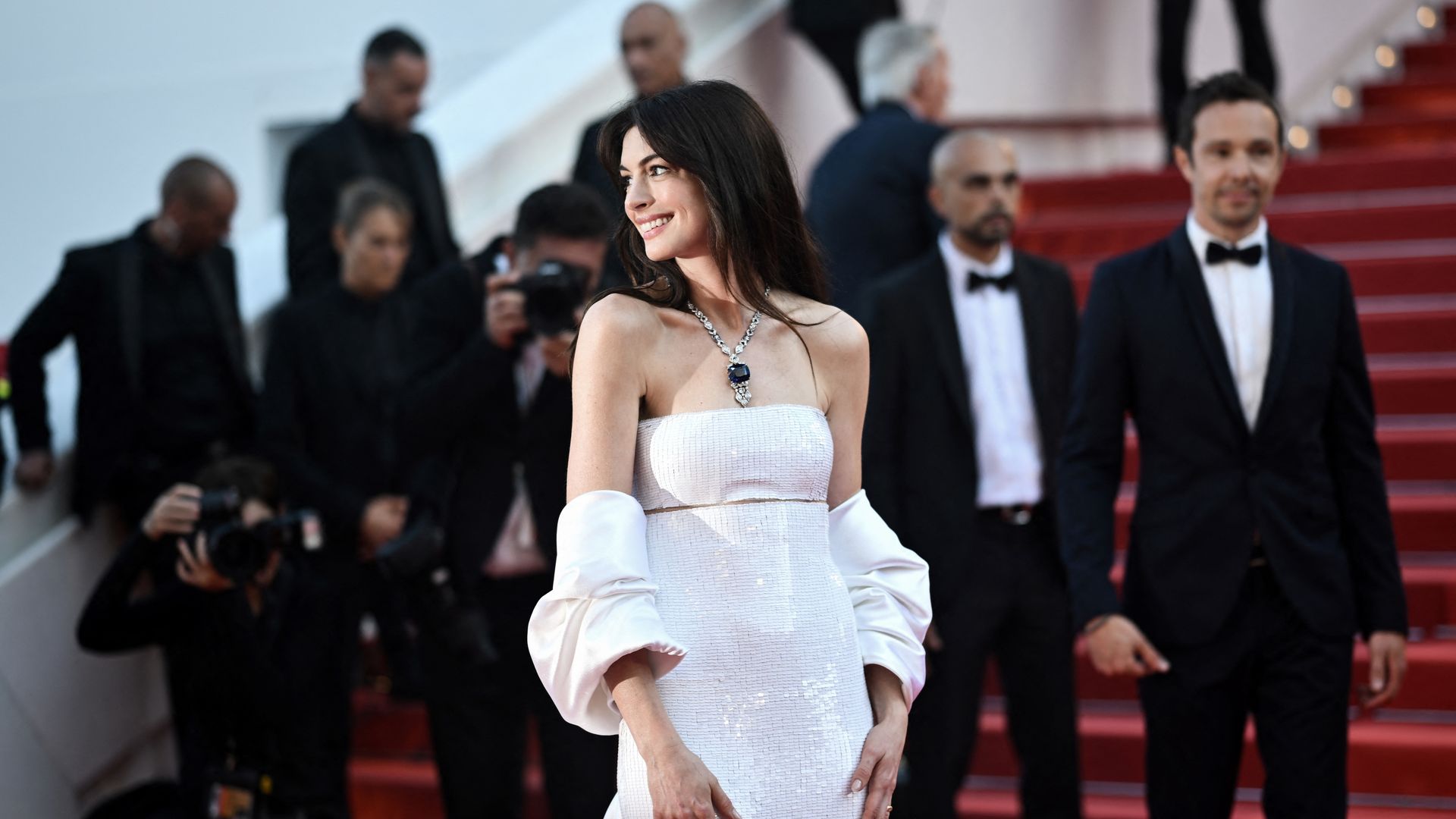
Style remembers when cinema taught it how to speak.
New York, April 2026.
Anne Hathaway has returned to the spotlight surrounding The Devil Wears Prada 2 with a visual force that immediately reactivated the emotional memory of the original film. Her latest appearance in the buildup to the sequel was not treated as a simple red carpet moment. It became a symbolic bridge between Andy Sachs, fashion cinema and a generation that learned to read ambition, insecurity and reinvention through clothing.
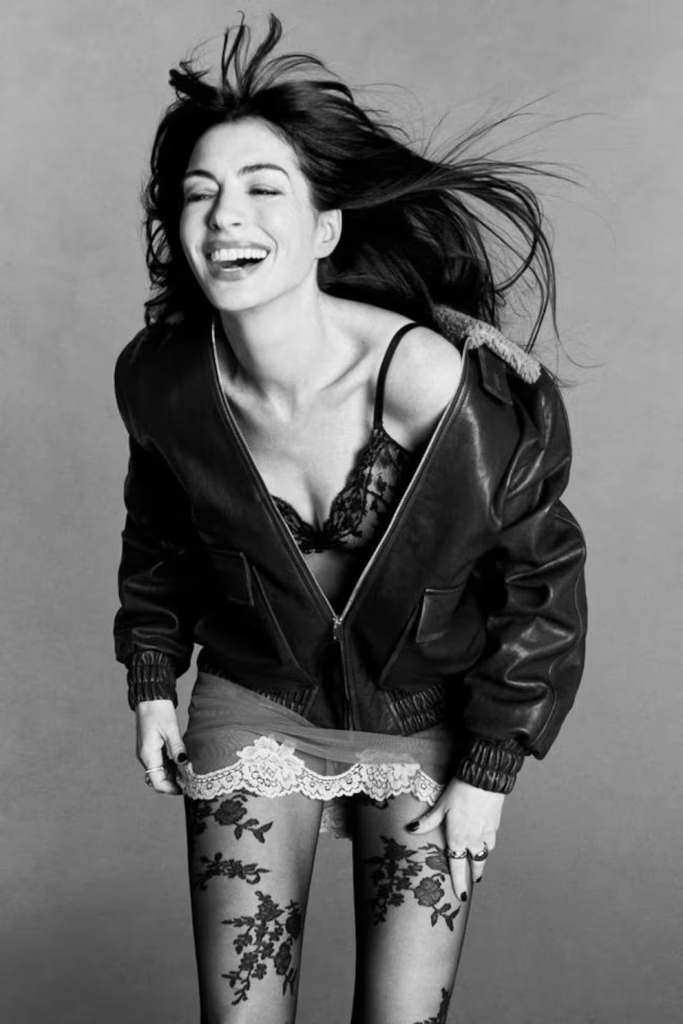
The fascination is easy to understand. Hathaway does not only represent a returning character; she represents the transformation of a film that moved from box office success to cultural code. The Devil Wears Prada became a reference point for fashion, workplace hierarchy and the complicated seduction of professional aspiration. Nearly two decades later, every outfit connected to the sequel is interpreted as part of that mythology.
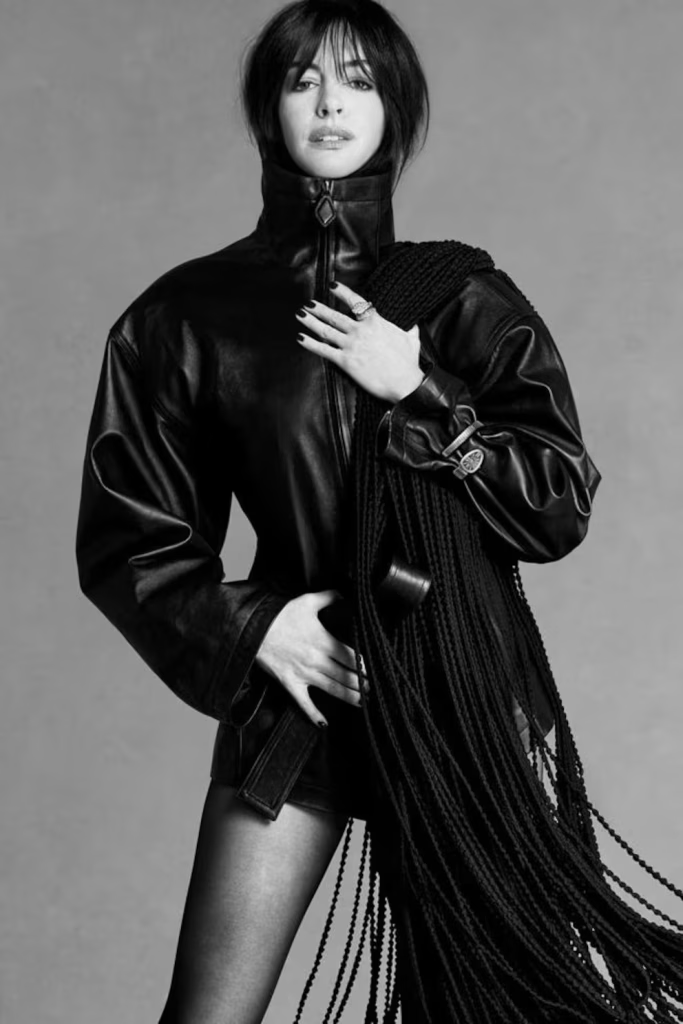
Her style in this promotional cycle works because it understands memory without becoming trapped by imitation. The looks evoke elegance, discipline and editorial sharpness, but they also suggest evolution. This is no longer the naïve assistant trying to survive Runway magazine. It is the image of a woman who has absorbed the language of power and now wears it with control.
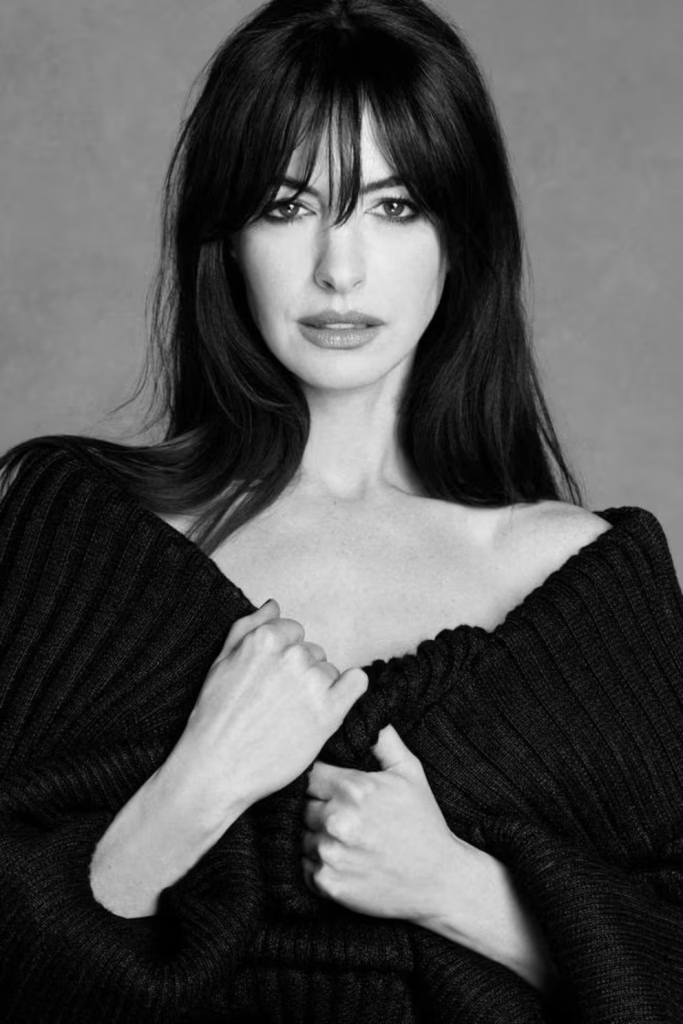
That distinction matters for the sequel. Legacy films often fail when they depend only on nostalgia, repeating old symbols without allowing them to mature. Hathaway’s presence offers a different route. She brings continuity, but also distance. The audience recognizes Andy, yet sees an actress and a character shaped by time, career and cultural reinterpretation.
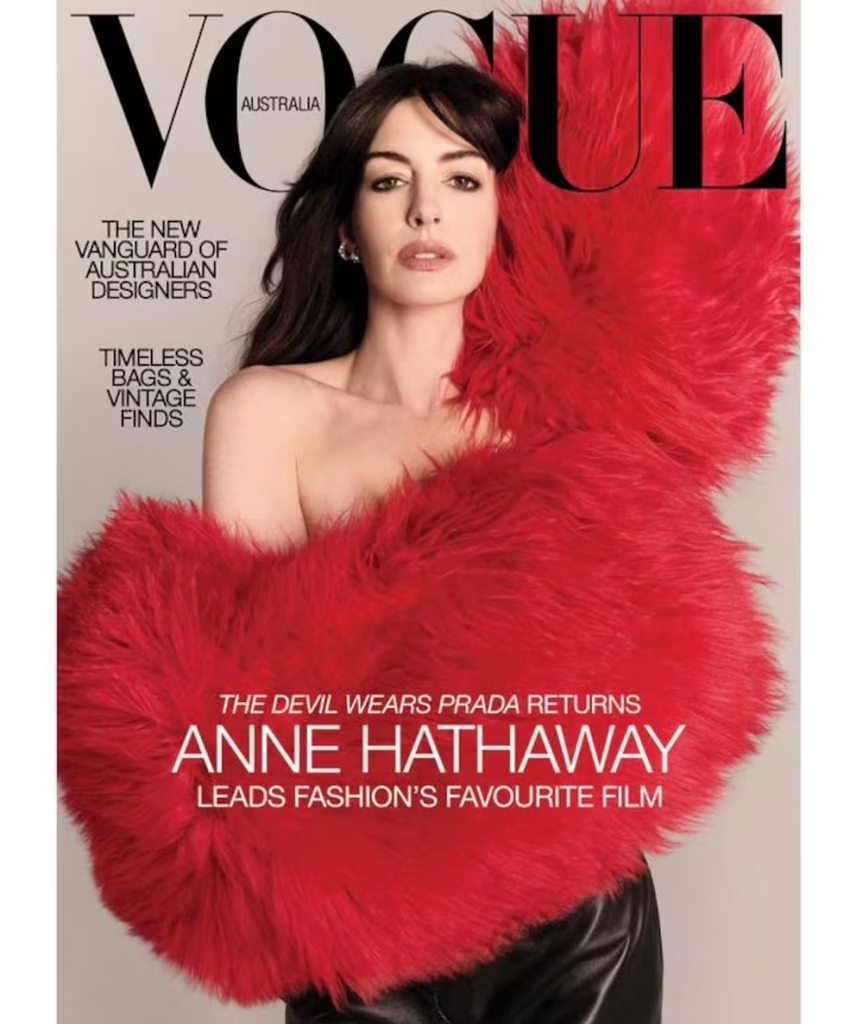
Fashion is central to that effect because The Devil Wears Prada was never only about clothes. It was about how clothes organize status, discipline, visibility and desire. A coat, a heel, a bag or a silhouette could mark submission, rebellion or transformation. Hathaway’s return revives that grammar instantly, reminding viewers that style in this universe is not decoration. It is narrative.
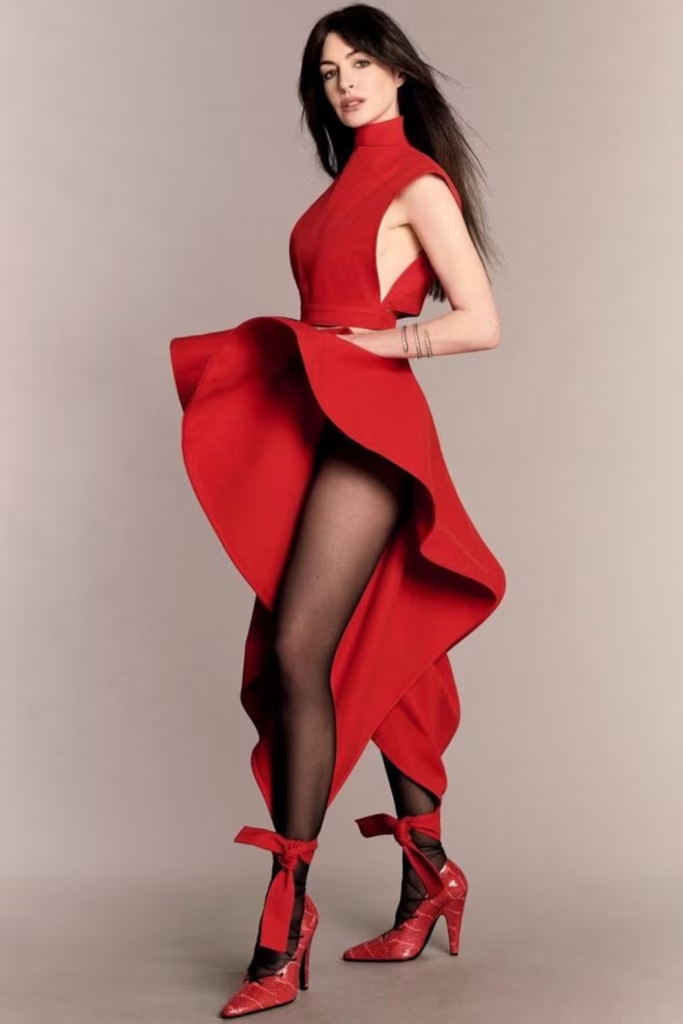
The anticipation around the sequel also reveals how deeply the original remains embedded in popular culture. Few films from the 2000s still generate this level of visual expectation before release. The public is not only waiting for plot. It is waiting for looks, phrases, entrances, gestures and confrontations that can circulate again through social media and fashion media.
Hathaway’s role in that anticipation is decisive. She has become one of the rare performers capable of linking mainstream glamour with emotional accessibility. Her public image carries enough elegance for fashion audiences and enough warmth for general viewers. That balance makes her ideal for a sequel that must satisfy both style obsession and character memory.
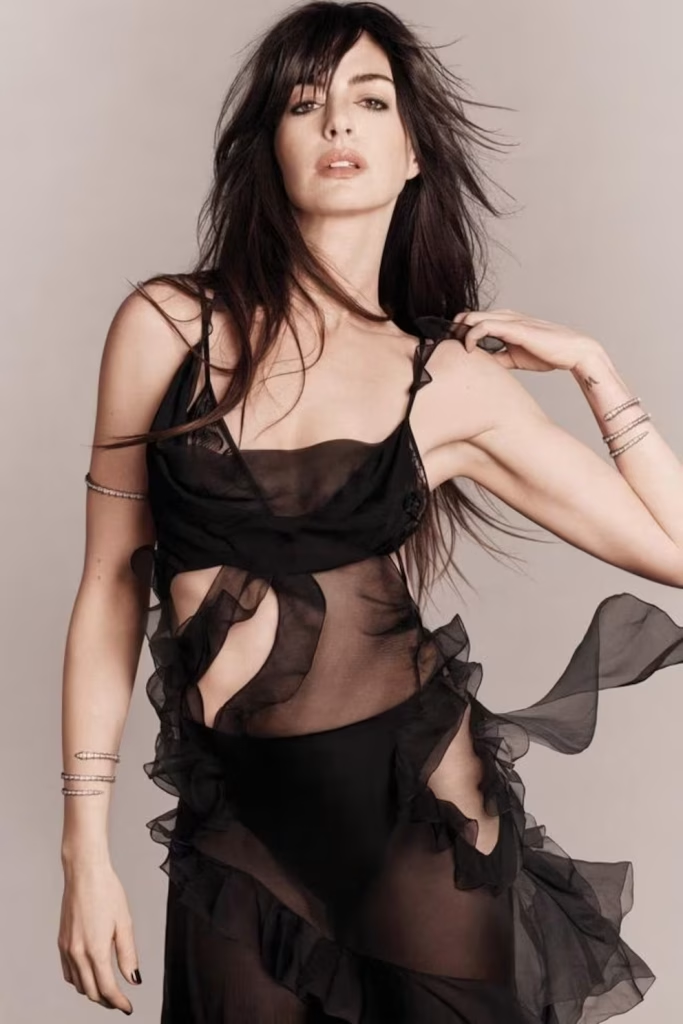
The risk, however, is that the film becomes overwhelmed by its own iconography. The more powerful the original, the harder it is for the sequel to breathe independently. Every frame will be compared, every outfit decoded and every line measured against a canon that audiences have protected for years. Hathaway’s promotional presence raises expectations precisely because it proves the memory is still alive.
What emerges is a cultural event built before the film itself. The sequel is not only arriving in theaters; it is arriving through fashion discourse, celebrity imagery and nostalgia engineered for digital circulation. Hathaway understands that terrain. Her appearances do not simply promote the movie. They prepare the audience to reenter its world.
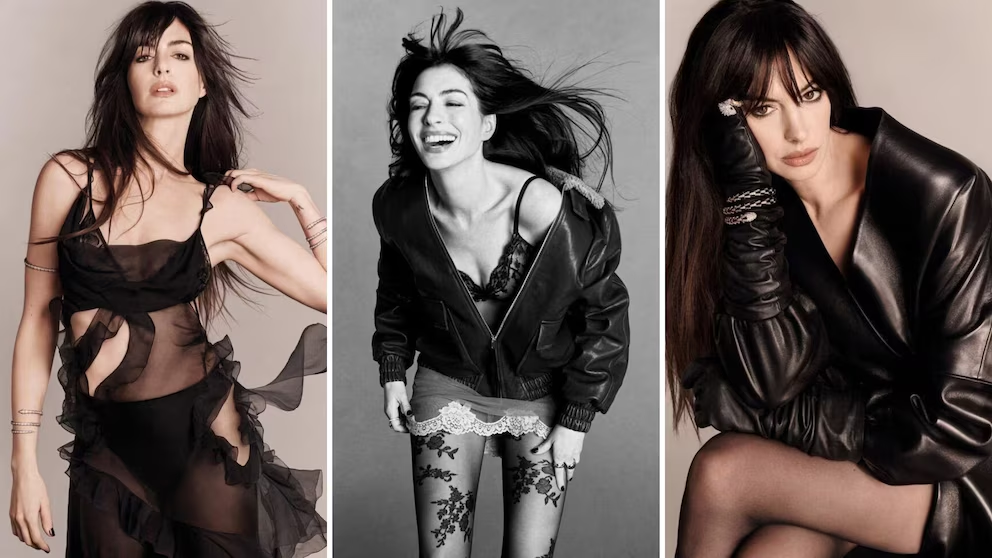
In the end, her return shows why The Devil Wears Prada still matters. It captured the moment when fashion became a language of modern ambition, and Hathaway gave that language a human center. Now, as the sequel approaches, her image reminds audiences that some characters do not return because the industry demands it. They return because culture never fully let them leave.
Style survives when memory learns to evolve.
El estilo sobrevive cuando la memoria aprende a evolucionar.