

 Phoenix 24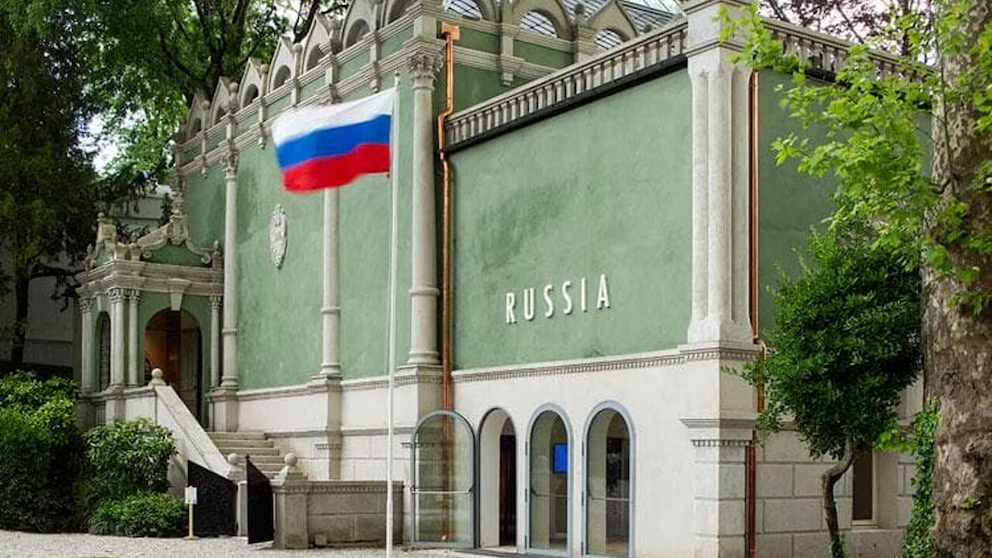
Culture is no longer outside the war.
Venice, April 2026. The Venice Biennale has entered the center of Europe’s political fracture after the European Union withdrew a major grant over the readmission of Russia’s pavilion, while the international jury moved to restrict awards for artists from countries whose leaders face war crimes accusations. What was once framed as an artistic platform has become a test of institutional autonomy, moral pressure and cultural diplomacy in wartime.
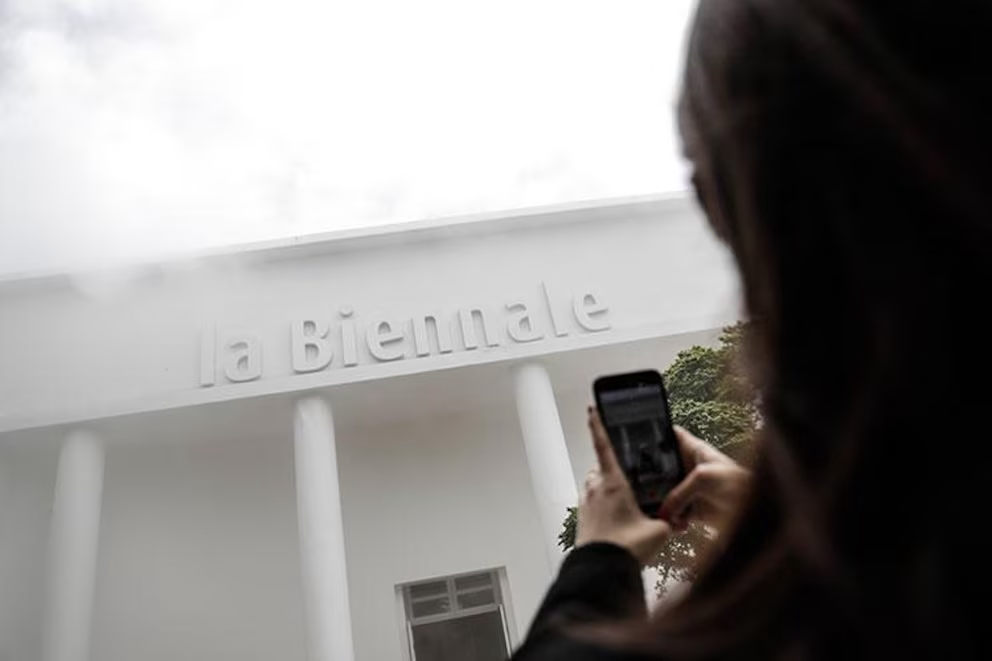
The controversy began with Russia’s return to the 2026 edition after years of absence following the invasion of Ukraine. For Brussels, allowing the Russian pavilion back into one of the world’s most prestigious art events risks normalizing a state still associated with military aggression and international legal scrutiny. For the Biennale, however, exclusion raises another dilemma: whether a cultural institution can defend artistic freedom while also responding to the political weight of war.
The jury’s decision adds another layer of complexity. By limiting award eligibility for artists from countries whose leaders face international criminal accusations, the Biennale attempts to draw an ethical boundary without fully banning national participation. That distinction is fragile, because it separates exhibition space from symbolic recognition, allowing presence while restricting prestige.
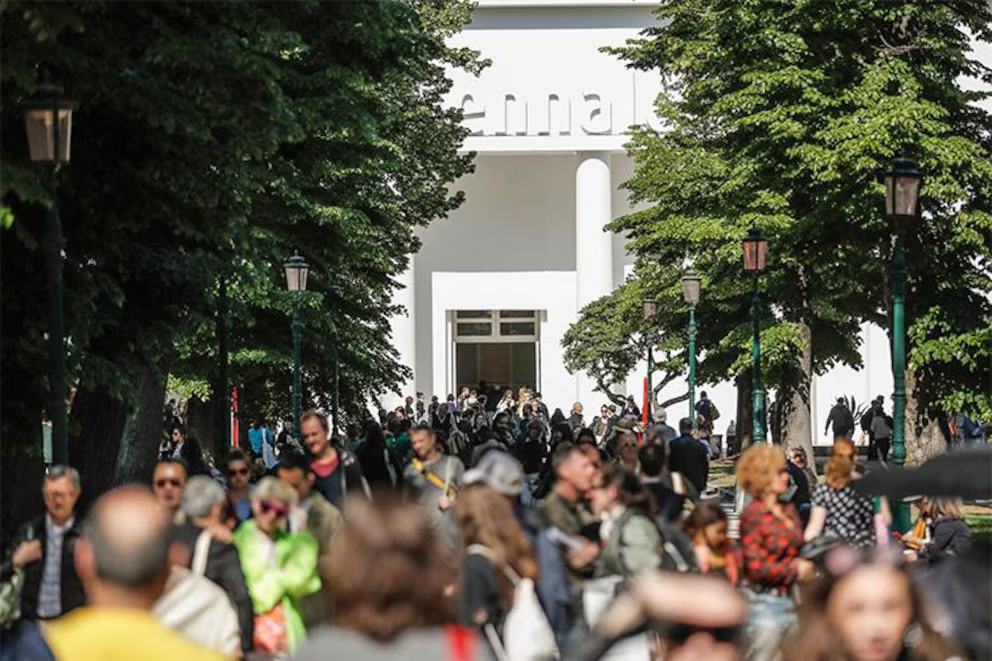
Russia is the central trigger, but the implications are broader. The measure also places Israel under scrutiny, showing how European cultural institutions are increasingly forced to respond to conflicts beyond the museum, gallery or pavilion. Art is no longer insulated from geopolitics; it now operates inside the same moral battlefield as diplomacy, sanctions and international law.
The European Union’s financial response changes the stakes. Funding is not neutral when culture becomes part of geopolitical legitimacy. By withdrawing support, Brussels is signaling that public money cannot easily coexist with institutional decisions perceived as soft normalization of states accused of grave violations.
Venice now stands at the intersection of two incompatible demands: protect artistic openness or enforce political accountability. The Biennale may want to remain a space for dialogue, but the age of neutral cultural prestige is fading. In today’s Europe, even an exhibition can become a battlefield.
Detrás de cada dato, hay una intención. Detrás de cada silencio, una estructura.