

 Phoenix 24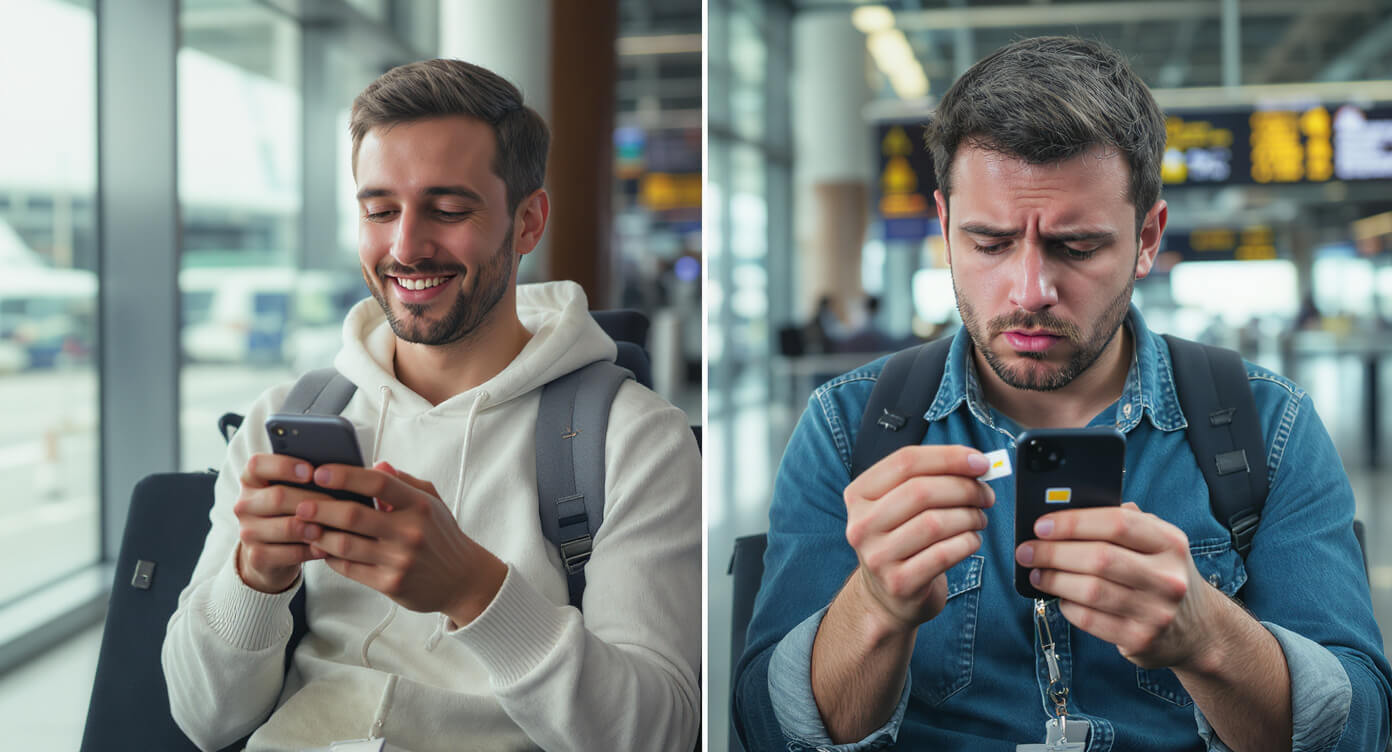
The phone number is becoming infrastructure.
Mexico City, April 2026. The debate between physical SIM and eSIM is no longer a minor technical comparison for mobile users. It reflects a broader shift in how connectivity is managed, activated, transferred, and controlled inside the smartphone ecosystem. The physical SIM remains familiar, visible, and easy to move between devices, which still makes it practical for many users. But the eSIM is changing the logic of mobile access by turning the subscriber identity into a programmable layer embedded inside the device itself.
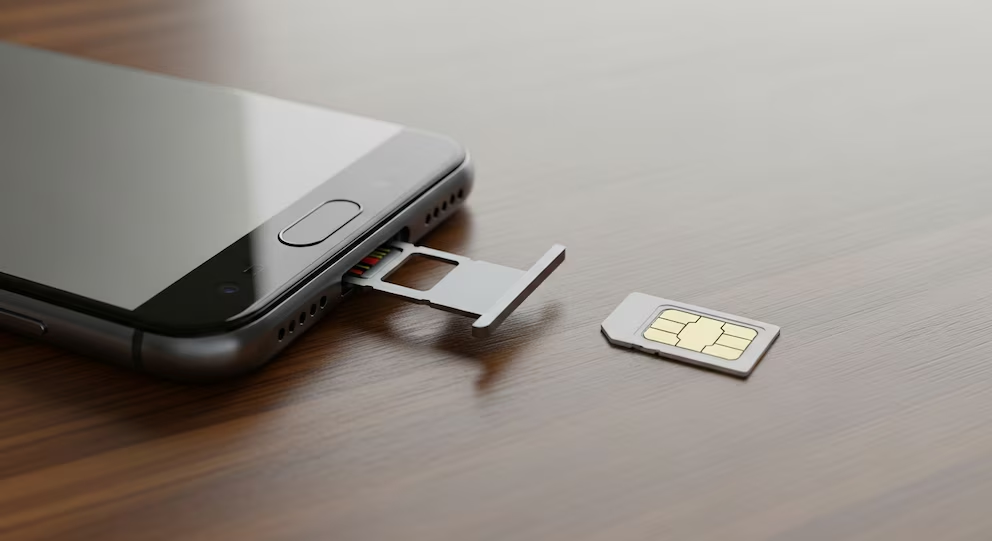
The advantage of the physical SIM is its simplicity. A user can remove it, insert it into another compatible phone, and restore service with minimal digital friction. That matters in regions where technical support is uneven, where users frequently change devices, or where prepaid plans remain dominant. Its weakness is equally clear. It can be lost, damaged, stolen, or duplicated more easily, and it depends on a physical slot that manufacturers increasingly see as unnecessary in thinner, more sealed devices.
The eSIM answers that problem by making mobile activation digital. Instead of inserting a plastic card, the user downloads a carrier profile, usually through a QR code, app, or account-based process. This makes it easier to activate service remotely, switch plans, manage multiple lines, or travel internationally without buying local SIM cards at airports or stores. For frequent travelers, dual-line users, and people who manage work and personal numbers on one device, the eSIM offers clear operational advantages.
But the eSIM also introduces new dependencies. If the phone is damaged, locked, stolen, or unavailable, recovering the line may require carrier support, identity verification, and internet access. Some users may find the process less intuitive than simply moving a card from one phone to another. Compatibility also remains uneven across countries, carriers, and older devices. The technology is more elegant, but not always more accessible.
From a security perspective, the eSIM is generally harder to physically steal because there is no removable card to extract. That can reduce certain risks linked to SIM theft or casual device tampering. However, the risk does not disappear; it moves into account security, carrier authentication, and digital identity protection. In other words, the threat shifts from the plastic card to the systems that authorize the profile.
The best option depends on the user. A physical SIM still makes sense for people who value immediate device swapping, use older phones, depend on prepaid flexibility, or live in markets where eSIM support is limited. An eSIM is usually better for newer smartphones, international travel, multiple lines, remote activation, and users who want fewer physical components. The transition is not simply about convenience. It is about the gradual softwareization of connectivity.
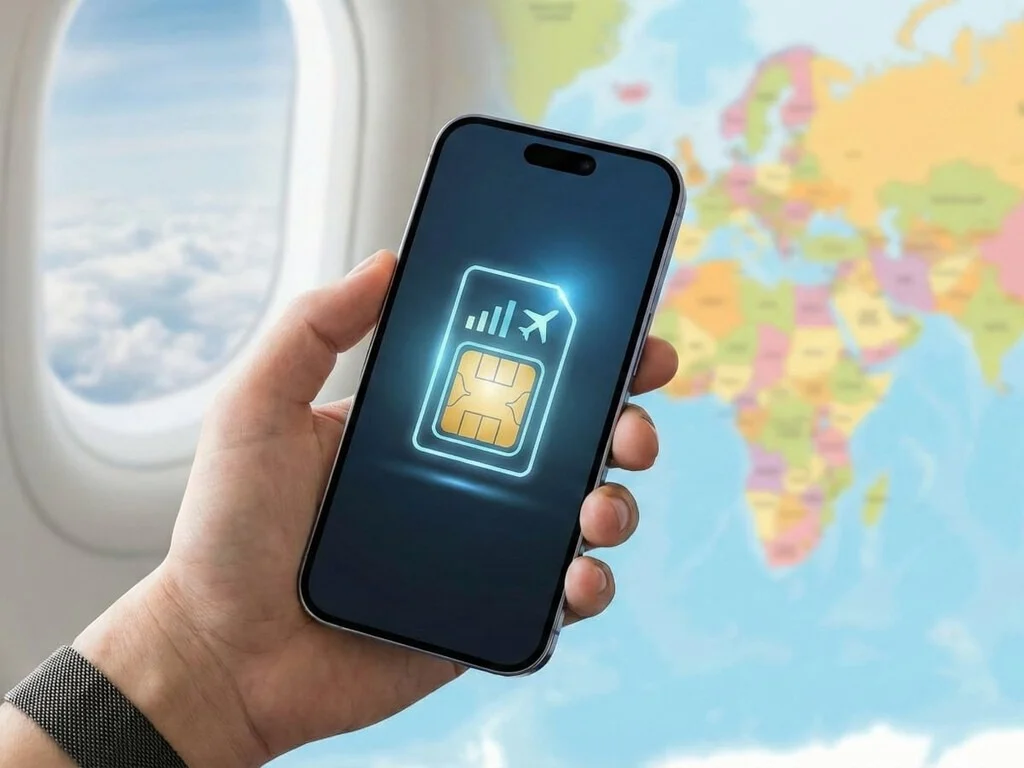
From a Phoenix24 perspective, the deeper significance is that the SIM card is disappearing as an object and returning as a layer of digital control. What once lived inside a small removable chip is becoming part of a broader architecture of identity, mobility, and platform dependency. The question is not only which option is better for a phone. It is who controls access when connectivity becomes invisible.
Phoenix24 Editorial Note: analysis, context, and strategic narrative to read power beyond the headline.