

 Phoenix 24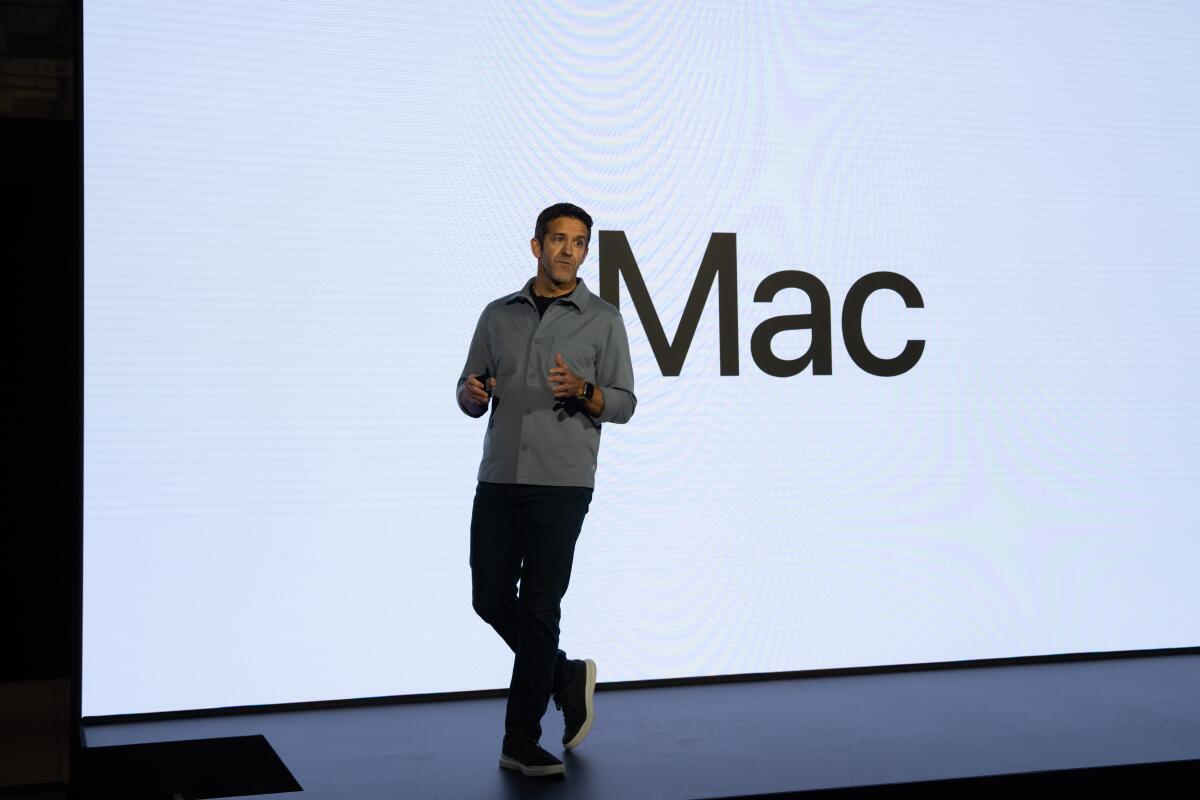
Can innovation still be engineered?
Cupertino, April 2026. The arrival of John Ternus as Apple’s new chief executive marks more than a succession story. It signals a structural test for one of the most influential companies in modern technological history. Ternus, a hardware engineer shaped by more than two decades inside Apple, inherits a company that remains financially powerful but strategically questioned. His claim that Apple is on the verge of changing the world again is not just optimism. It is a direct answer to growing doubts about whether the company can still generate transformative innovation in an era dominated by artificial intelligence.
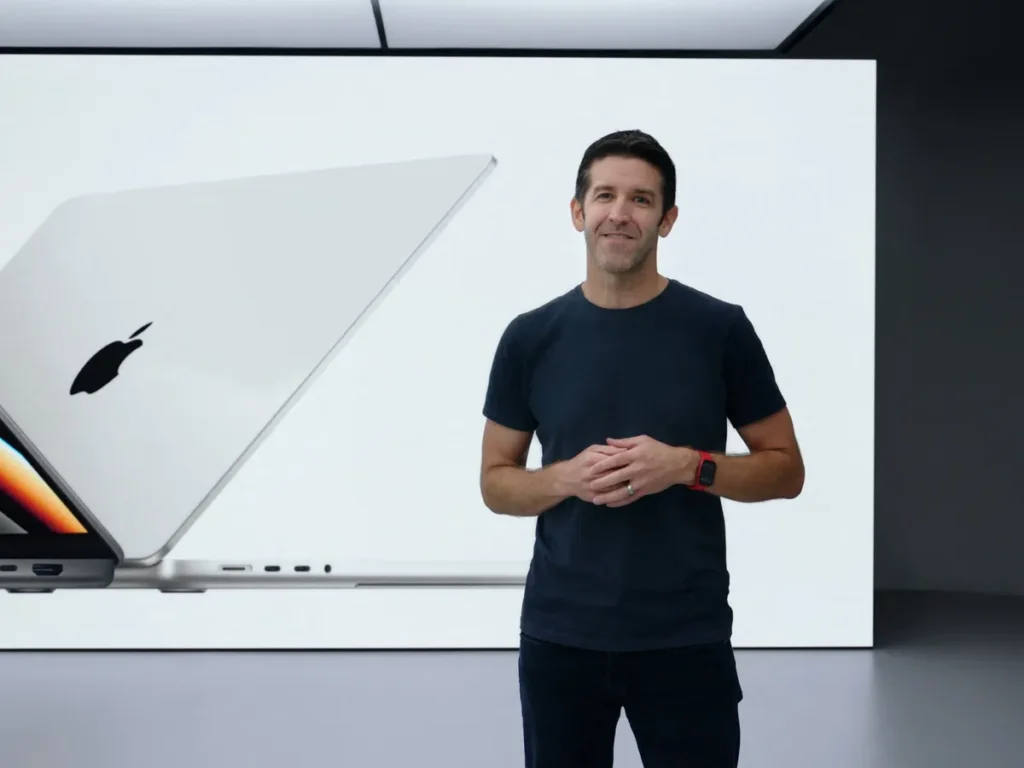
The challenge is significant because Apple’s strongest historical moments were not built on minor upgrades, but on redefining entire categories. The iPhone, the App Store, Apple Silicon, and the broader device ecosystem turned the company into a reference point for how technology enters everyday life. Under Tim Cook, Apple became an operational and financial giant, expanding services, supply-chain discipline, and ecosystem control. Yet the company now faces a different kind of pressure. Stability is no longer enough when the next technological cycle is being shaped by AI agents, generative systems, and ambient intelligence.
Ternus enters that tension with a distinct profile. He is not a founder-myth figure or a celebrity executive, but a product architect rooted in Apple’s engineering culture. That gives him credibility inside the company’s deepest tradition: the fusion of hardware, software, design, and controlled user experience. But it also raises a harder question. Can an insider trained in Apple’s existing system produce the kind of rupture that made Apple historically dominant? Continuity may protect quality, but disruption demands risk.
The AI context makes the transition sharper. Apple has long preferred to enter markets after others have exposed their weaknesses, then refine the experience into something more coherent and commercially durable. That strategy worked in phones, wearables, payments, and silicon. But artificial intelligence rewards speed, data scale, infrastructure, and ecosystem integration at a level that may not wait for Apple’s usual rhythm. Ternus must therefore protect the company’s privacy-centered identity while accelerating its capacity to compete in a field where competitors are already defining expectations.
There is also a symbolic burden in this appointment. Apple is moving deeper into a post-Jobs, post-Cook phase, where its future can no longer rely on founder mythology or operational mastery alone. Ternus must prove that the company’s creative engine still functions without needing the aura of its original revolution. That is not merely a leadership challenge. It is an institutional test. Apple must show that its culture can still produce surprise, not only polish.
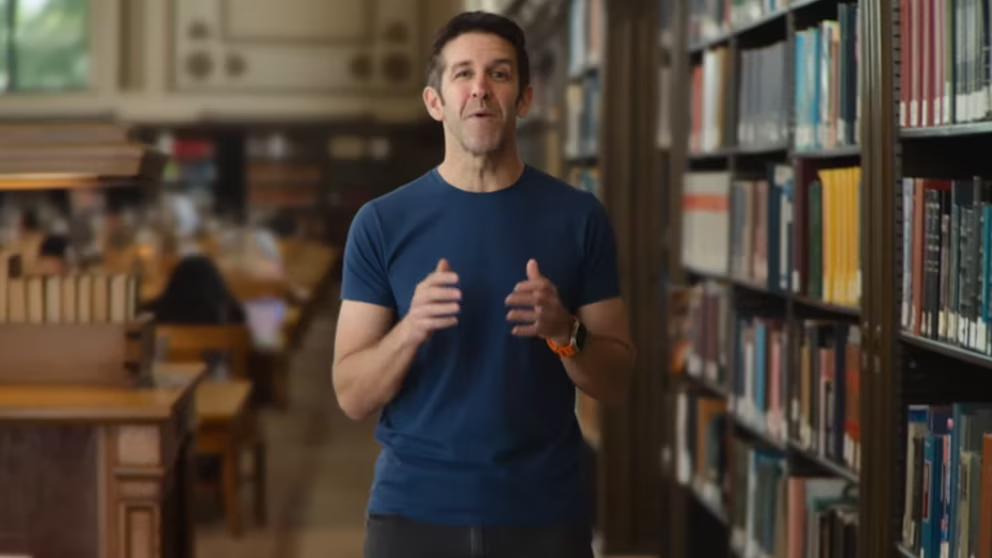
From a Phoenix24 perspective, the real significance lies in how technological power renews itself. Apple is not collapsing. It is confronting a more difficult question: whether dominance can become invention again. Ternus’s message is therefore less a promise than a pressure signal. The world has already changed around Apple. Now Apple must prove it can still change the world back.
Phoenix24 Editorial Note: analysis, context, and strategic narrative to read power beyond the headline.