

 Phoenix 24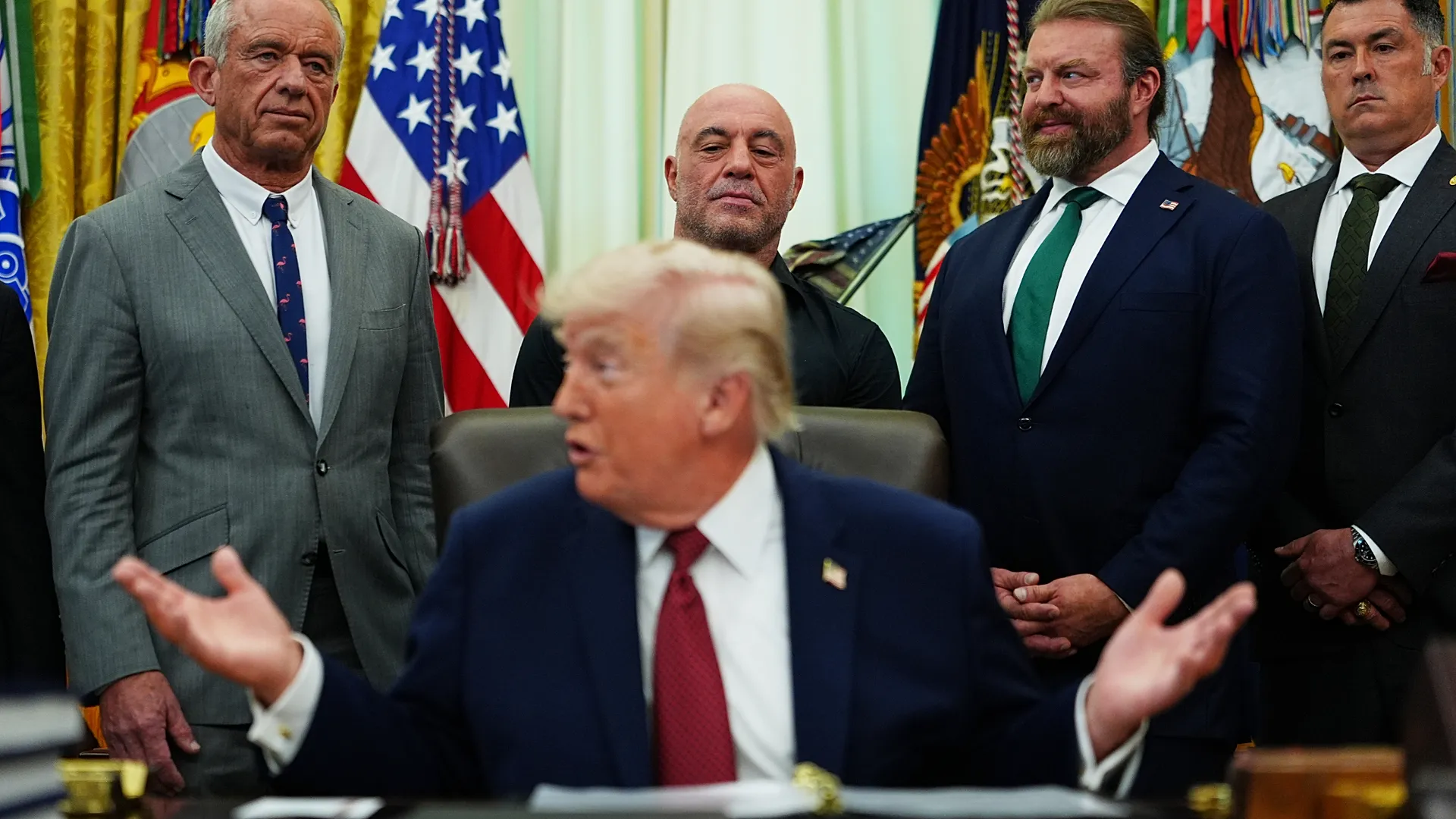
When alliance politics override economic evidence.
Madrid, April 2026
Donald Trump has reignited transatlantic friction by openly questioning Spain’s economic performance and its role within NATO, framing both as evidence of European underperformance. His remarks, delivered in a tone consistent with his long-standing critique of allied burden-sharing, describe Spain as economically weak and strategically unreliable. The statement is not incidental. It reflects a deliberate attempt to reposition the narrative of alliance responsibility through public pressure rather than closed-door diplomacy.
Yet the empirical baseline contradicts the rhetoric. Recent projections from the International Monetary Fund place Spain among the fastest-growing advanced economies in Europe, even after moderate downward revisions linked to global instability. Growth rates remain above the eurozone average, supported by domestic demand, tourism recovery, and structural resilience in services. This divergence between data and discourse is not a technical disagreement. It is a strategic reframing of economic perception for geopolitical leverage.
The tension extends beyond macroeconomic interpretation into defense policy. Spain has resisted aligning fully with U.S. military priorities in the Middle East and has shown reluctance to accelerate defense spending toward the more aggressive thresholds advocated by Washington. This posture positions Madrid within a subtle but growing European pattern: formal compliance with NATO commitments paired with selective strategic autonomy. It is not defiance in the classical sense, but neither is it unconditional alignment.
Trump’s framing of NATO as a transactional system resurfaces here with clarity. Under this logic, security guarantees are implicitly tied to measurable contributions, particularly defense expenditure relative to GDP. Allies are evaluated not through shared doctrine or long-term cohesion, but through immediate cost-benefit metrics. This recalibration alters the psychological contract of the alliance, introducing conditionality where there was once institutional predictability.
What makes the episode structurally significant is its timing. Europe is navigating overlapping pressures, including energy volatility, geopolitical fragmentation, and economic recalibration in a post-crisis environment. In this context, public attacks on allied economies function as both external pressure mechanisms and internal political signaling within the United States. The message operates on two levels simultaneously: disciplining partners abroad while reinforcing domestic narratives of imbalance.
Spain, in this configuration, becomes more than a target. It becomes a test case. Its ability to maintain growth while resisting certain strategic demands illustrates a model of calibrated divergence within Western alliances. This approach does not dismantle NATO, but it does redefine participation as a spectrum rather than a binary commitment. The implication is clear: cohesion is no longer guaranteed by structure alone, but must be continuously negotiated through power, perception, and data.
Behind every data point, there is an intention. Behind every silence, a structure.
Detrás de cada dato, hay una intención. Detrás de cada silencio, una estructura.