

 Phoenix 24
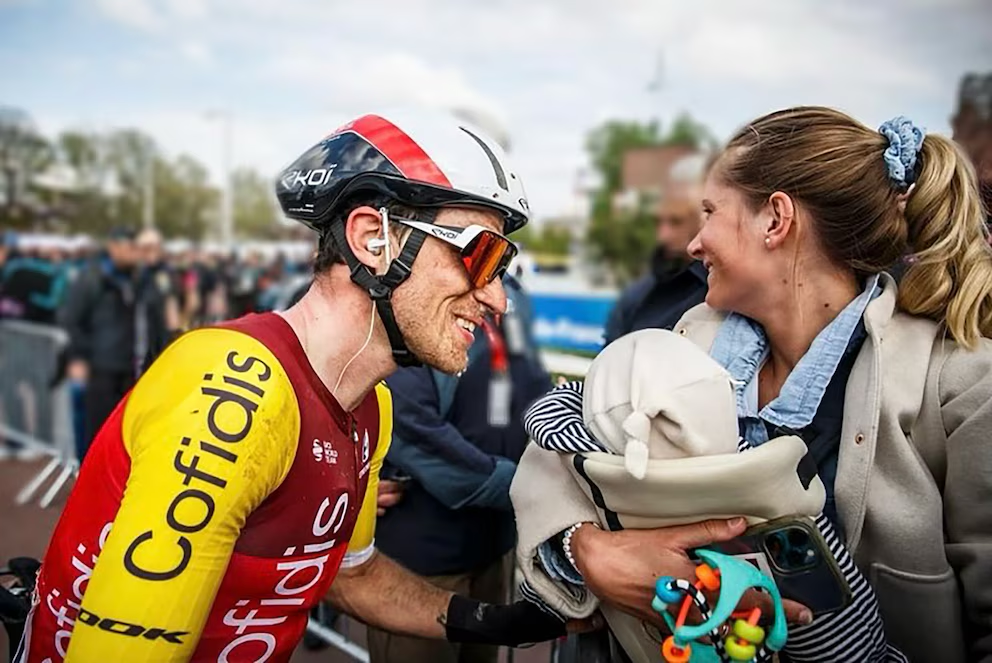
After the crash, the body told the truth.
Madrid, April 2026
The most striking part of this cyclist’s testimony is not only the brutality of the injuries, but the way it strips sport of its usual heroic script. When an athlete says that, after an accident and subsequent medical complications, his organs were practically in contact with the skin, the language of competition collapses and another reality takes over. The body is no longer a machine for performance. It becomes a damaged frontier where survival, pain and reconstruction replace every ordinary sporting ambition.
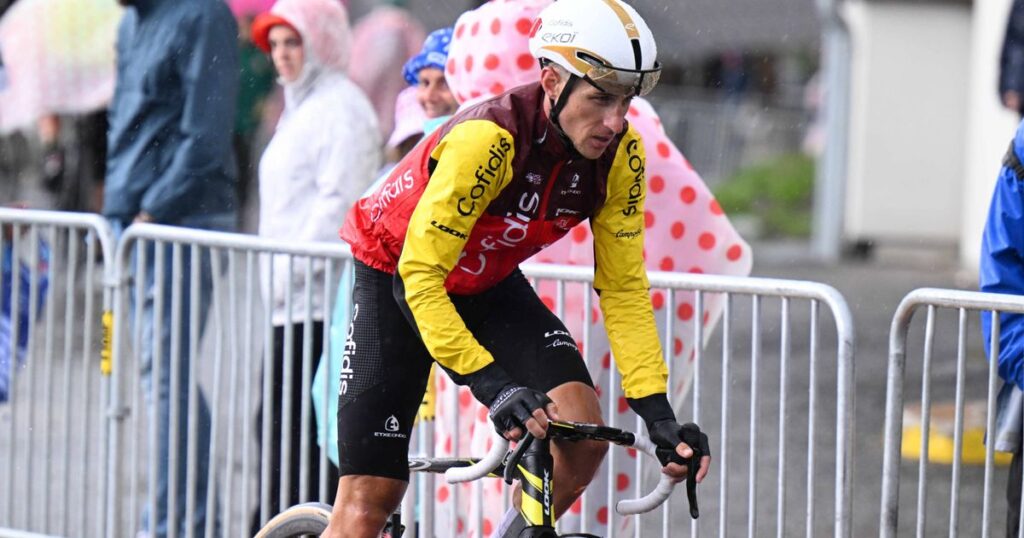
That shift matters because elite sport often romanticizes impact, sacrifice and recovery without fully confronting what trauma actually does to a human being. Crashes are frequently absorbed into the public imagination as dramatic interruptions on the road back to form. But testimony like this exposes something harsher. There are moments when the athlete does not face only a sporting setback, but a biological crisis so severe that the question is no longer when he will return, but whether his body can recover a stable sense of integrity at all.
What emerges here is a different kind of courage, one that has little to do with podiums. Athletic culture tends to celebrate endurance under pressure, but medical catastrophe demands another form of resistance: accepting vulnerability, navigating fear and enduring a version of time governed not by races or training plans, but by tissue repair, infection risk and physical uncertainty. In that setting, the comeback narrative becomes secondary. The deeper drama is learning how to inhabit a body that has been pushed beyond recognizable limits.

There is also an uncomfortable lesson for spectators and sports systems alike. High-performance culture thrives on the aesthetics of control, precision and resilience, yet severe accidents reveal how fragile that order really is. Beneath sponsorships, broadcasts and heroic branding, the athlete remains profoundly exposed to chance, velocity and the brutal physics of impact. When the damage is extreme, the mythology of sport gives way to something more elemental: flesh, mortality and the precariousness hidden inside every performance.
This is why the cyclist’s account resonates beyond a single case. It forces audiences to confront what is usually edited out of the spectacle. The public often sees the fall, the ambulance, the headline and perhaps the eventual return. What it does not see with the same intensity is the medical aftermath, the intimate degradation of the body and the psychological work required to remain present inside a self transformed by pain. The testimony restores that missing dimension. It returns consequence to the image of impact.
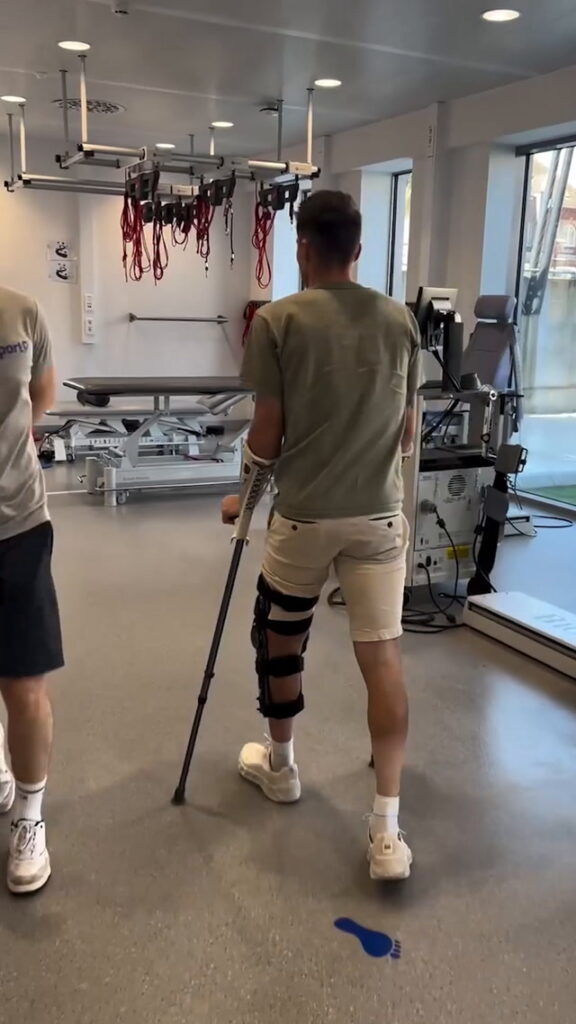
In the end, this is not only a story about an accident. It is a story about what happens when sport loses its protective narrative and reveals the raw cost beneath competition. The athlete survives, speaks and rebuilds, but not as the same symbolic figure the public first admired. He returns, if he returns, carrying evidence that the most difficult battle in elite sport is sometimes not against rivals, but against the body’s memory of catastrophe.
Detrás de cada dato, hay una intención. Detrás de cada silencio, una estructura.
Behind every datum, there is an intention. Behind every silence, a structure.